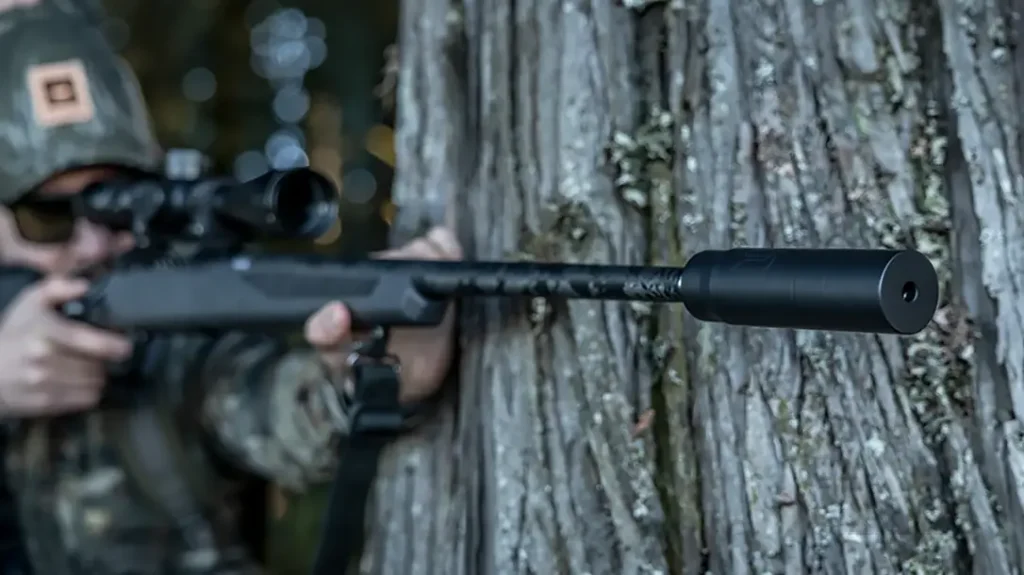
A bolt-action Scout rifle is one of my favorite long arms, often finding its way into my hands when hunting.
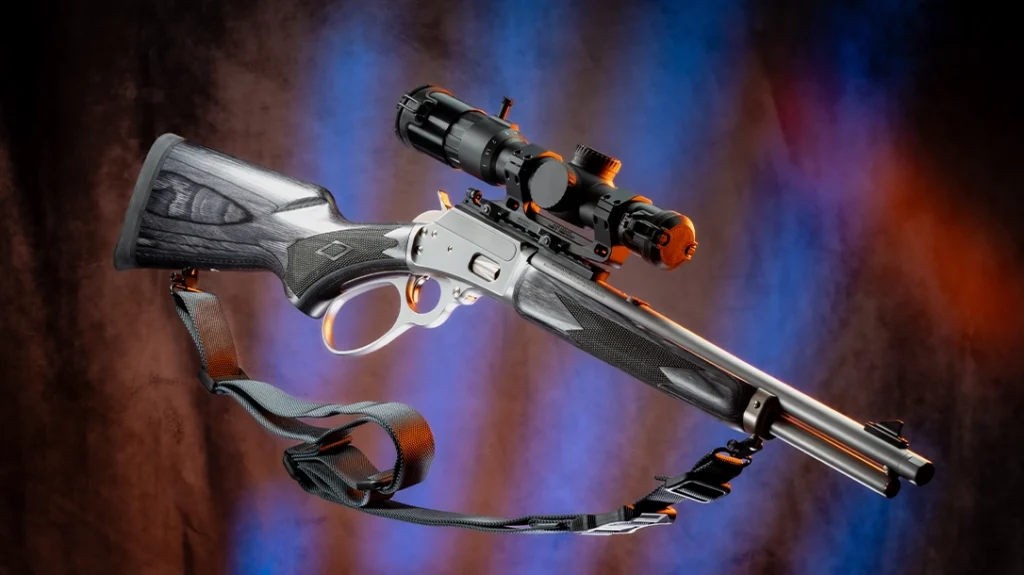
A scout rifle is a lightweight, compact bolt-action carbine built around versatility. Developed by Jeff Cooper in the 1980s, it was intended to serve as a true general-purpose rifle for both hunting and defense. Most follow a simple formula: under 39 inches in length, weighing less than 7 pounds, equipped with a forward-mounted low-power optic, and commonly chambered in .308 Winchester.
I was a teenager when Lt. Col. Cooper was having his Scout Rifle Conferences at Gunsite in the early 1980s. The printed press of the day, yes, printed as magazines in your mailbox or better yet on the newsstand, followed the events at Gunsite studiously. The Colonel’s writings, albeit his magazine columns and books, were a favorite of mine.
Advertisement — Continue Reading Below
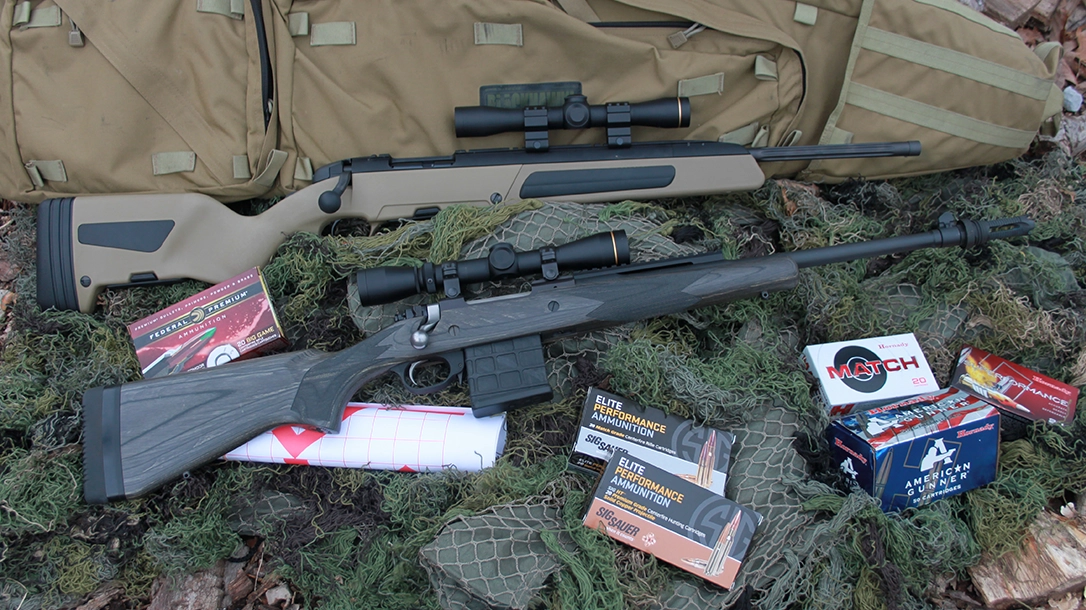
I’ll admit to owning multiple Scout rifles over the years, including Ruger, Steyr, Remington, Savage, and CVA. My Scout rifle journey began in earnest with the Steyr Scout. Up to this point, Scout rifles were custom affairs with commensurate pricing and availability. My Scout rifle adventures gained momentum in 2011 when Ruger released their Gunsite Scout. This had other major manufacturers take notice of the popularity and potential of the genre.
The Scout
“A general purpose rifle…conveniently portable, individually operated firearm, capable of striking a single decisive blow, on a live target …at any distance at which the operator can shoot with the precision necessary to place a shot in a vital area of the target.” This is how Cooper defined the Scout. Cooper went on specifying dimensions such as an overall length of 39 inches, including a 19-inch barrel, and a weight of 6.6 pounds. All of this sounds like a great template for a hunting rifle to me.
Advertisement — Continue Reading Below
Of all the features detailed about what it took to be a Scout rifle, the forward-mounted optic (“scout scope”) is its standout “look at me” aspect. The intermediate/extended eye relief scope is mounted in front of the action. The scout optic is both the signature aesthetic as well as the performance-defining feature of the Scout rifle.
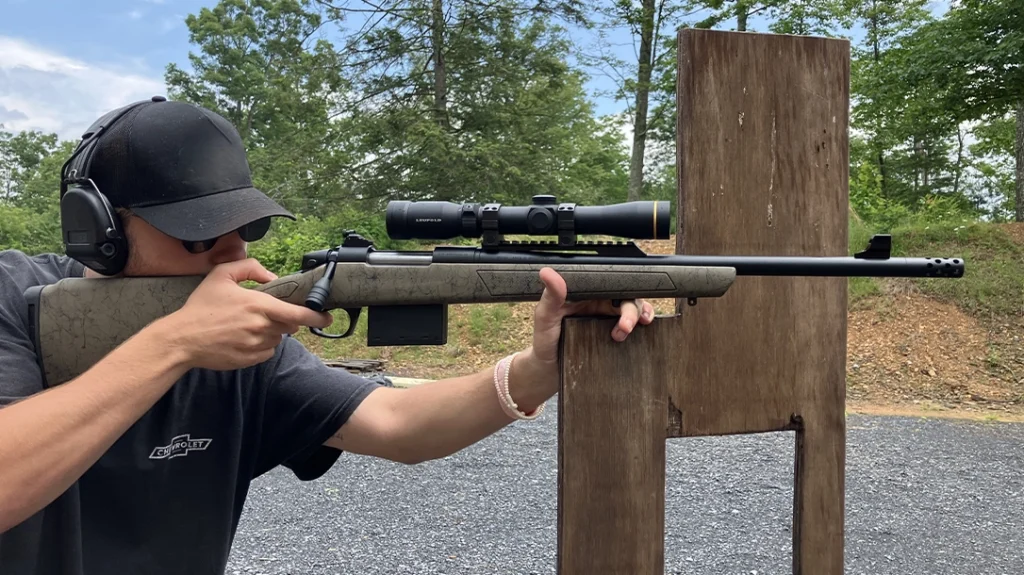
The scout scope maximizes peripheral vision and improves accuracy compared to iron sights. Cooper’s standard was the ability to hit a man-sized target or animal boiler room out to 500 yards. The scout scope’s long eye relief, 9-13 inches depending on model, stands in contrast to the typical 3-4 inches of eye relief with standard optics. The scout scope’s etched crosshair is hard to beat for providing an aiming point. Adding an illuminated dot, which some scout scopes now offer, within the reticle takes this to an even higher level.
Advertisement — Continue Reading Below
The scout scope facilitates engaging multiple targets or the same target multiple times in rapid sequence, more accurately than open sights and at greater distances than a red dot. The magnification also aids in finding lanes of fire in dense areas. If you have ever had to fit a bullet through thick cover, even at close range, you know what I am talking about. The scout scope also assists in target recognition/identification compared to open or red dot sights.
Scout Science
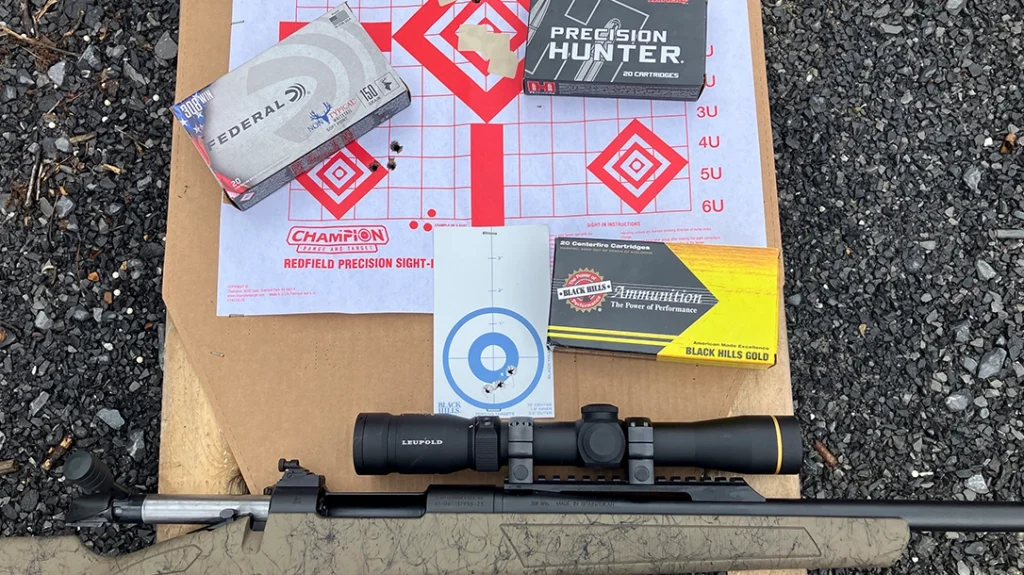
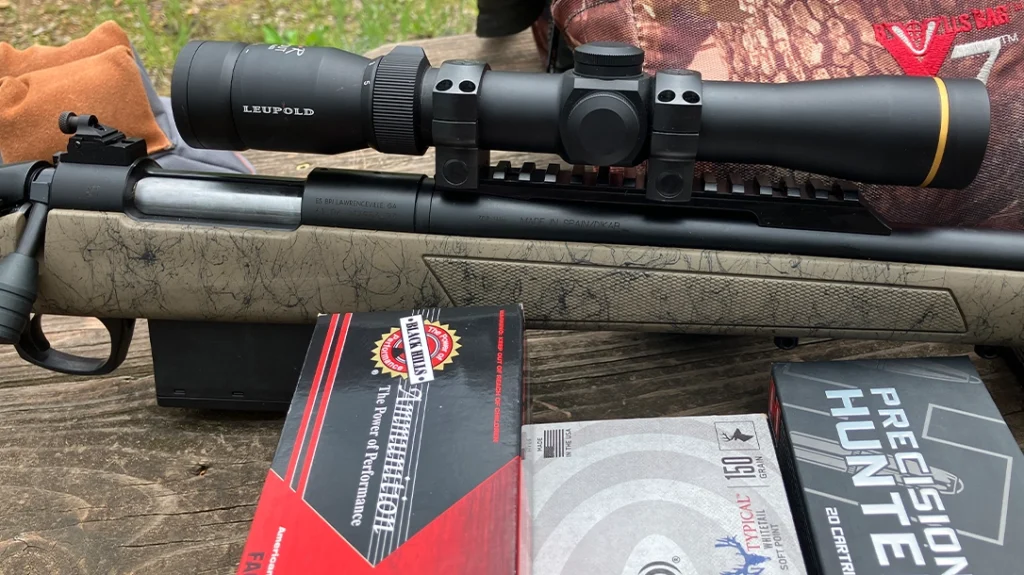
A Leupold VX-R Scout 1.5-5x scout optic is a variable-magnification option for scout scopes. The bright/crisp FireDot reticle dot immediately draws your eye to the center of the target, making target acquisition quick and simple, especially at close to medium ranges; thus, offering the best of both worlds of red dot and magnified optic. The Leupold VX-R Scout 1.5-5x has served on a variety of my Scout rifles.
Advertisement — Continue Reading Below
A Burris 2-7x variable Scout scope is mounted on my synthetic-stocked Ruger Scout. It has been a steady performer, as reflected by being left in place since it touched the forward section of the Picatinny rail. If one is inclined to use a variable-power scope, I have found that anything much above the 5X setting negates keeping both eyes open for use and actually requires more time to acquire the target and make a shot. Lower magnification gives a wider field of view and does not distort the binocular vision of keeping both eyes open.
The Bindon Concept of keeping both eyes open and having the reticle appear to float in front of the rifle works with the forward-mounted scout scope. With just a bit of practice, the scout scope allows for very quickly aimed, accurate shots. It also allows for a much faster recovery from recoil and the subsequent repeat shot.
Advertisement — Continue Reading Below
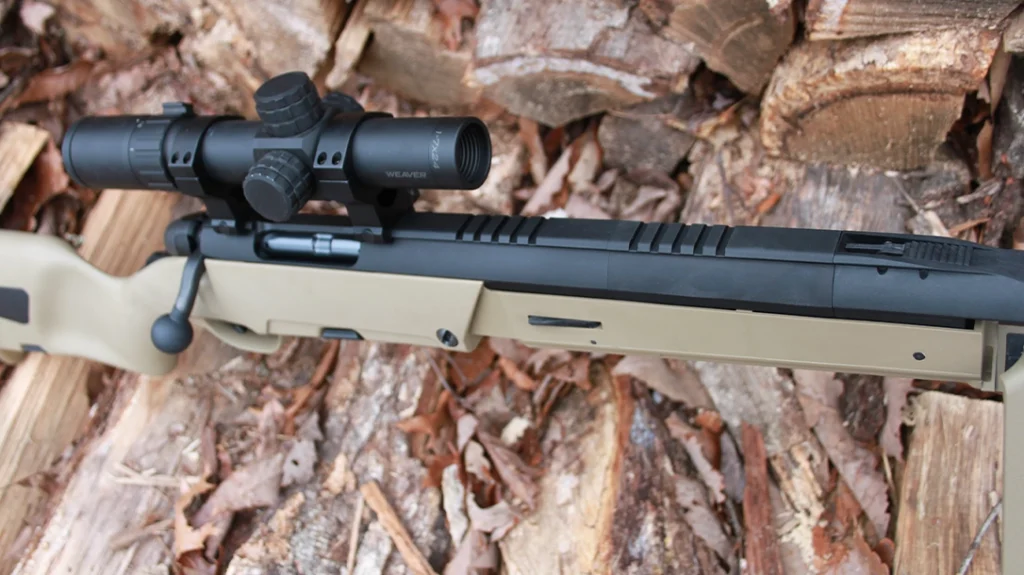
A variable power scout scope is not a must. Proof of this is the multiple Leupold 2.5x IER scopes I have in the inventory. I believe this model has been discontinued, with no replacement currently in the Leupold catalogue. As many “maturing” shooters can attest, the single focus plane with the reticle is easier to shoot accurately than coordinating front and rear sights. The Duplex reticle stands out against cover in low light. The Leupold Duplex reticle, with its thinning lines towards the center aiming point, is well-suited for the scout scope role. Shooters familiar with red dots will be pleasantly surprised by the utility of the scout scope.
Form Follow Function
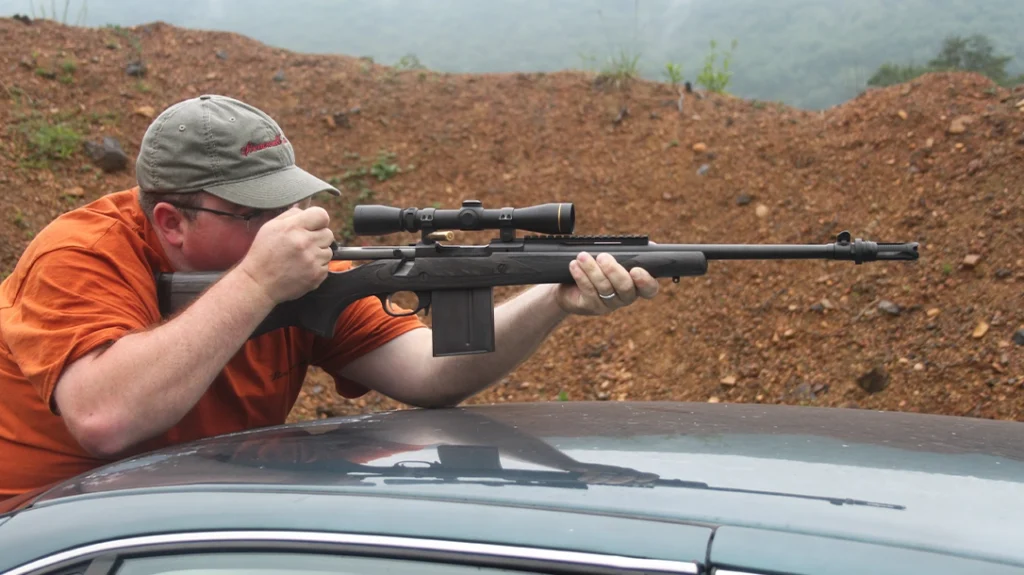
Cooper admired how the svelte lever action carried/handled and encouraged these characteristics in the Scout rifle. In addition, scout scopes tend to be lighter than typical standard optics. Scout scopes use etched reticles in the SFP (second focal plane). This makes them easy to see, plus no dependence on batteries.
Advertisement — Continue Reading Below
The scout scope critics decry how deficient scout scopes are: minimal objective lens diameters, 1-inch tubes are common, second focal plane, basic reticles, capped turrets, lightweight, etc. Hell, these are all the positives of the scout scope. I see more and more rifles equipped with optics that resemble spotting scopes. Scout scopes are not intended to serve as anything more than a means to an end on the rifle—quickly placing a bullet in a vital area at close to medium range, without impeding the handling of the host rifle.
Just Right
The .308Win has become accepted as the natural cartridge for a Scout rifle. The .308Win should not be discounted, considering all the 6.5MM propaganda out there. The .308Win’s blending of velocity, bullet weight, and moderate recoil combines into an efficient hunting chambering. Its popularity is enhanced by its case length, enabling use in short action bolt actions versus the venerable 30-06, which the .308Win displaced in the service and afield with American sportsmen. The .308Win’s heavier projectile weight versus the 6.5Creedmoor gives it the nod in many experts’ minds in the 0-400 yards hunting arena.
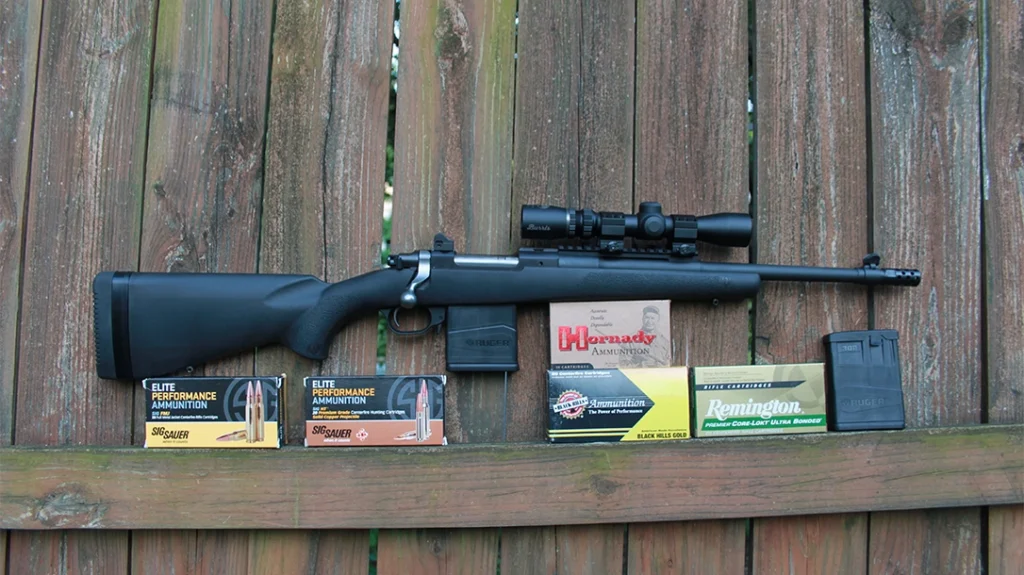
I challenge readers who are considering exploring the scout rifle to set up a jungle walk-like scenario with steel or paper targets stretching from close range, around 40 yards, out to over 350 yards, and then engage from various positions such as standing, kneeling, or field expedient rests, as you move down the range. This will demonstrate the true potential of the Scout rifle concept. Don’t hesitate to try longer shots, from 350 to 500 yards, either.
The Colonel Knew What He Was Talking About
Everyone is dubious of something that promises to do several tasks well. The underlying concern is that compromises involved with making something adaptable invariably lead to compromises in performance. The Scout rifle concept refutes this assumption. I find it hard to believe that anyone using a Scout for hunting will consider themselves at a disadvantage.
WHY OUR ARTICLES/REVIEWS DO NOT HAVE AFFILIATE LINKS
Affiliate links create a financial incentive for writers to promote certain products, which can lead to biased recommendations. This blurs the line between genuine advice and marketing, reducing trust in the content.