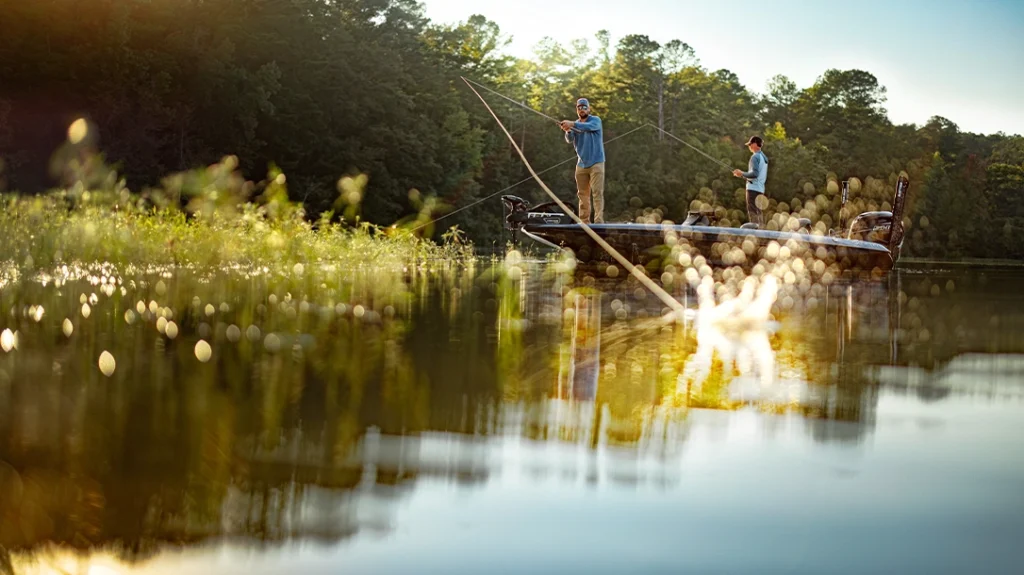
You don’t need a bunch of expensive gear or film crew to capture a great fishing trip. In fact, most of the best content out there starts with a single camera, a simple setup, and a willingness to learn as you go. As you continue reading, you’ll learn how to get started, what gear you actually need, and a sneak peek at my filming process as an outdoor content creator.
Start Simple
The knowledge gap of learning to film is daunting. Luckily, most of us already have a decent camera in our pockets. I strongly recommend learning to use your phone to film before purchasing another camera, because it drastically shortens the learning curve for capturing usable content. The online course that helped me the most was iPhonePhotographySchool.com. It’s taken my iPhone photography and videography skills to the next level on multiple occasions. Once you have a grasp on what makes a good shot and how to capture that shot, you can begin adding gear to your arsenal. Starting with your phone’s camera gives you a solid foundation when learning to use an action camera (like a GoPro) before moving on to a much more advanced video camera.
Slowly Add to Your Gear Collection
If you’re like me, you can easily get wrapped up in purchasing more gear to make your videos even better. Don’t fall for this trap. Getting started requires very little gear, and honestly, the less gear you have, the easier it is to film. Living by the KISS Method is best. Keep It Stupid Simple; otherwise, you end up overcomplicating the process and won’t want to film at all.
Gear List
Don’t tell my wife, but I started filming with too much gear. I mistakenly thought that the gear would make me a better videographer. However, I’ve only used a fraction of what I thought I needed. So I compiled a list to give you the best idea of what you actually need to create legit fishing videos that perfectly capture the memory.
Must-Have Filming Gear for Fishing
This is the gear I use on nearly every trip to the water, though some of it might even be overkill for your filming needs.
Advertisement — Continue Reading Below
- Camera
- Spare Batteries
- Charging Cables (longer than you think you’ll need)
- Memory Cards (Including an external drive for your computer)
- Microphones
- Chestmount
- Boat Mounts
- Tripod
- Protective Case
- Laptop (For editing, I originally edited my videos on my phone for over a year)
- Editing Software
Nice-To-Have Gear
This is the gear that I occasionally use, but honestly could make do without.
- Multiple Cameras (Capturing content from different angles gives you options while editing)
- Drone (Drone shots are awesome, but require additional training and testing)
- Gimble
- ND Filters
- Spare Tripod
- Spare Boat Mounts
- Spare Protective Cases
- SD Card Storage Compartment
Filming Process
I’m not trying to scare you off from filming because it truly is rewarding, but it’s also frustrating and only adds to the work you have to put in on your fishing adventures. I’m often alone, or at least the only one filming the trip, so my process is very simple. It’s a great idea to take what works best from my process and mold it into what works best for you.
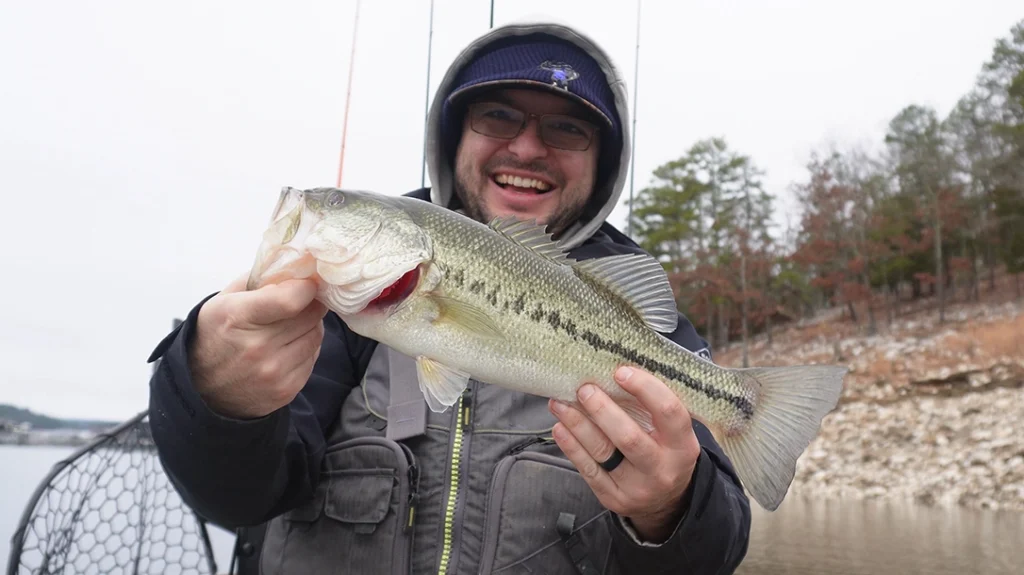
Step 1: Setup
Setting up is tedious because you must ensure the camera is angled just right to capture everything you need and want it to, the batteries are charged, and all your mounts are secured. It takes me much longer to start fishing now that I’m filming, due to the initial setup. But when I perfectly capture the moment, it’s all worth it.
Step 2: Testing
I’ve repeatedly forgotten to press record or had my audio cut out. Which is why testing that the audio is working and the camera is recording is one of the most important things I do (or don’t and regret). Nothing is more frustrating than getting home and beginning to edit, only to realize the audio doesn’t exist or you forgot to press record altogether. Test your gear every time you set it up.
Advertisement — Continue Reading Below
Step 3: Filming
Now the fun begins! If you’re running a chest mount, the POV shot is the easiest to capture and requires the least adjustment after hitting record. While filming, it’s important to adjust the camera’s direction regularly, or you risk missing the shot (I’ve done it many more times than I’d like to admit). When using a high-end video camera, you’ll also have to constantly adjust the settings to ensure the video isn’t blown out (too bright) or too dark.
As I’m filming, I’ll occasionally check that the video and audio are still recording so I don’t miss anything. The mistake I make the most often is not recording EVERYTHING. I get back home and wish I had recorded a specific shot that’s impossible to recreate.
Step 4: Packing Up
Once you’re finished fishing and filming, you must pack everything back into your protective case. It’s best to make a list of everything you used on that trip so you don’t leave any expensive camera gear behind.
Step 5: Editing
Capturing all these amazing moments is made worth it during the editing phase. Honestly, editing is my least favorite part, until I create the video I had originally pictured. I’ve used several different editing software programs, and each has benefits and drawbacks that go beyond the scope of this article, so get one that you can afford and is user-friendly. Final Cut Pro, CapCut, and Canva are the programs I use most often. Once you’re finished editing, it’s important to save as much of the footage as possible. That’s why I own multiple external storage devices for my computer. I’ve never regretted saving all my fishing videos, even the content I didn’t use in the final video.
Step 6: Sharing Your Fishing Adventure
What’s the point in going through all the trouble of filming your fishing if you don’t share it? I’m not saying you have to post it to social media, but at the very least, share it with your friends and family who enjoy fishing!
Advertisement — Continue Reading Below
Last Cast: How to Film Your Fishing Trips
After filming my fishing trips for nearly a decade, I believe learning how to film your fishing trips is incredibly rewarding, but it also requires patience, dedication, and knowledge. Thankfully, after reading this article, you’re well on your way to avoiding the mistakes I’ve previously made. There’s no single correct way to film fishing experiences, so take what works best for you and hit the water to capture your fishing memories.
WHY OUR ARTICLES/REVIEWS DO NOT HAVE AFFILIATE LINKS
Affiliate links create a financial incentive for writers to promote certain products, which can lead to biased recommendations. This blurs the line between genuine advice and marketing, reducing trust in the content.