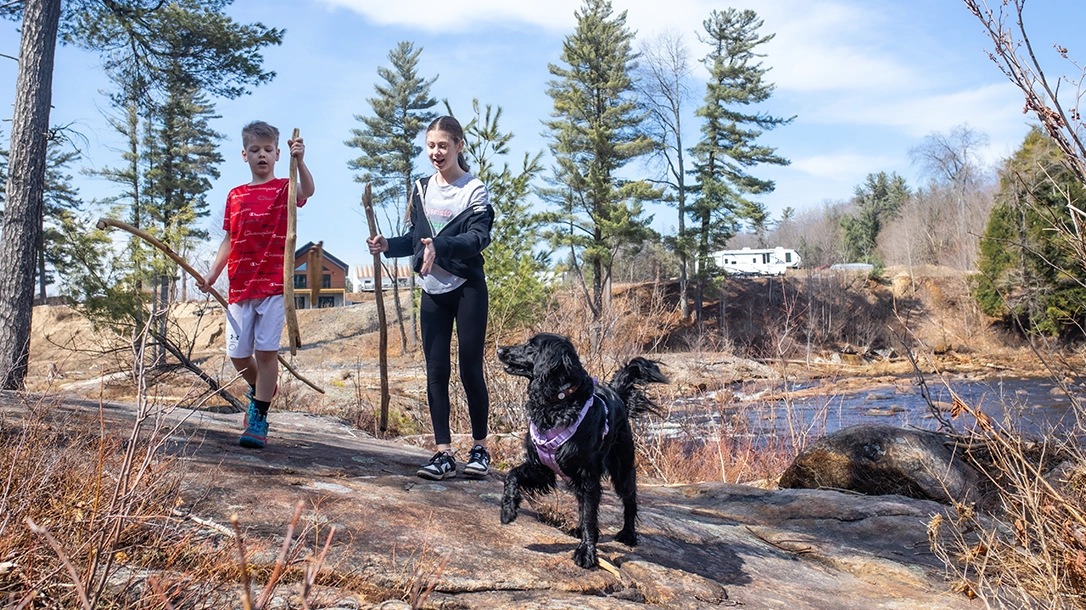
Hiking with kids isn’t the same as hiking solo, as every parent knows, nothing with kids is really the same as doing it solo. But it is definitely worth the extra work that needs to be put in to make it happen. It may be a little messier, louder, or slower, but always meaningful.
The benefits of kids getting out into nature with you are endless. Their imagination gets to run wild as they discover new species they hadn’t learned about yet, experience the different weather conditions and all that they bring, and notice the little things on the trail.
Naturally, they seem to stop and notice things more frequently than we do and if we fight the urge to rush them on, we get to see the world from their eyes again and discover how much we are missing out on. And of course the sun exposure and physical activity lead to health benefits such as improved cardiovascular health, better motor skills and greater immune health. So although you may deal with more mud, snacks every ten minutes, and stopping for sticks, those moments are where the real magic lay.
Springtime Hiking
Spring is a great time to hike with kids because everything is so alive and new. They’ve gotten used to the constant snow and no vegetation, and you’ll notice they are just as excited about the new sunshine and plants blooming as we are.
Chances of seeing animals are greater because they are also emerging from their long slumbers. So much of what I learned about nature came from all of the moments as a child that I got to explore. Trees were our jungle gyms, meadows were our space to run, and I can even remember bathing in the river while I camped with my mother.
Advertisement — Continue Reading Below
Spring hiking is about curiosity, not distance. While you may be hitting less summits with those kiddos, you’re moving slower and noticing things you won’t when the bustling summer hits and you’re getting in all of the hikes that you possibly can. The budding trees, moss, and fungi provide an entire classroom for the children to get curious with.
What to Expect
Trails will be muddy (this is unavoidable). Be ready to embrace the mud and look at it with an acceptance. You will want to be walking straight through it in some circumstances to protect the trail so it’s best to go in expecting mud after snow melt and the many rainy days that come with spring. Kids will definitely get dirty, but it’s a part of the journey, and can also be great for them to experience all of the different sensory experiences the climate has to offer. The mud is an important part of the eco system and if we pay close attention, we will see how many living things are thriving in the mud.
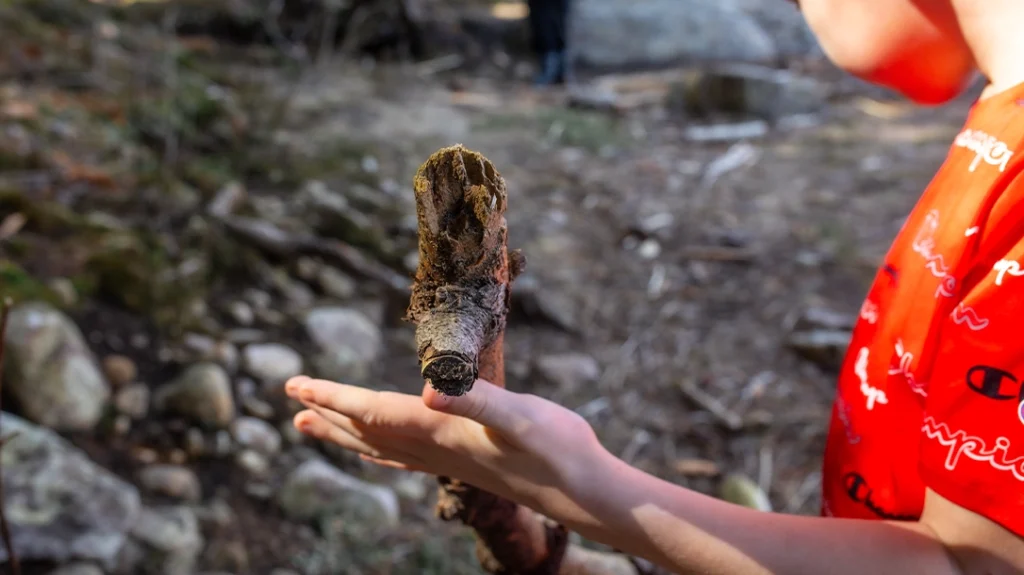
Stay in safe areas that will be easy to get out of if weather changes quickly. Conditions on the trail can also change abruptly depending on the snow melt so always be ready to turn around if unsure, and it’s also a good idea to talk to the children about this possibility so it doesn’t come as a surprise if it does happen. Instead of fighting it, plan for it.
What to Bring
A part of planning is making sure you have all of the proper gear you could need for a hike in the spring. Being prepared allows you organization and space to bring what is needed, and knowing what you can leave behind.
Advertisement — Continue Reading Below
Essentials:
- Extra clothes (including socks)
- Waterproof or water-resistant shoes/boots
- High energy snacks (more than you think you need)
- Water
- Backpack
- Small backpack for the child (if age-appropriate)
Optional but helpful:
- Towel for the car
- Bag for muddy clothes
- Magnifying glass or “explorer tools”
- Simple first aid kit (try to always have this for your hikes!)
How to Choose the Right Trail
When hiking with kids, especially if they haven’t done much hiking, keep it to around two miles. This is ideal for younger kids. Although some families have been hiking for years with their children and some kids may be used to longer hikes than others. Look for loops instead of out and back. This offers them more time and space to explore and see new things on the trail.
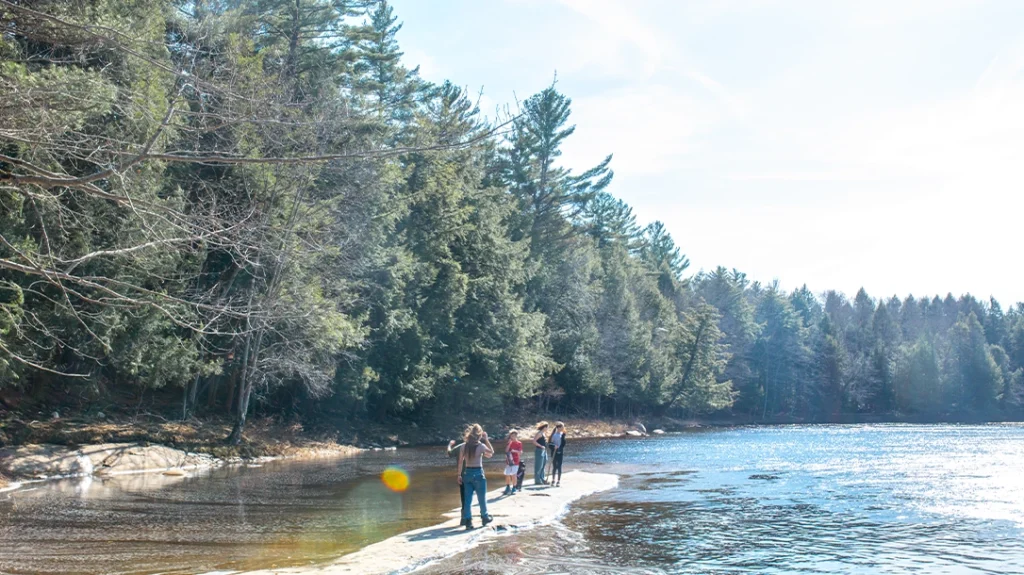
Look for trails around water areas if safe at the time. This way they can also experience the changes in the water levels and behavior of the water as the snow and ice melt. Having a mix of many areas to explore it always ideal. Water, open areas, and forest mix. Avoid steep elevation gains as things are often quite slippery at this time of year. Let the experience be full of curiosity and fun, and less technical.
Let Them Lead
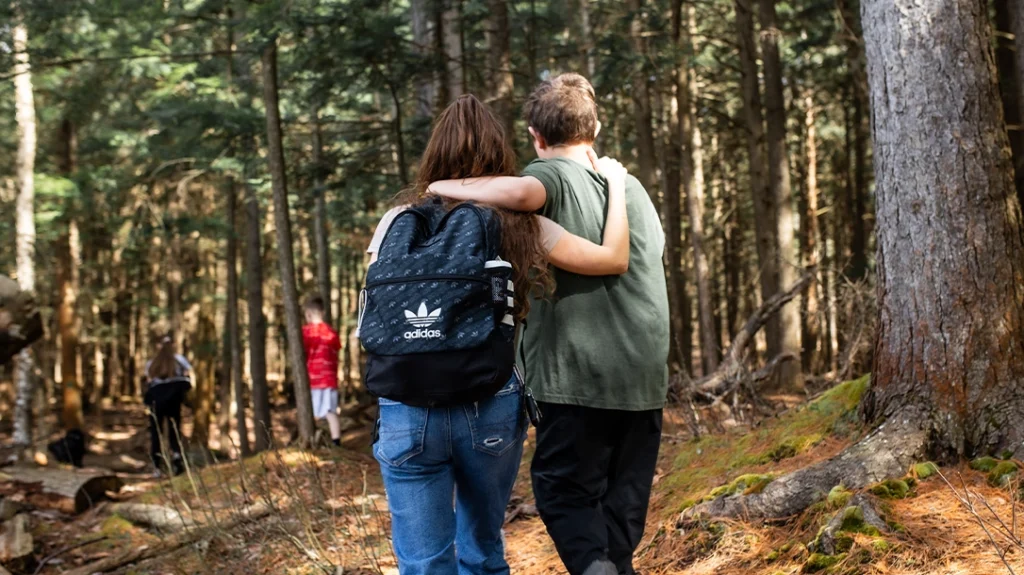
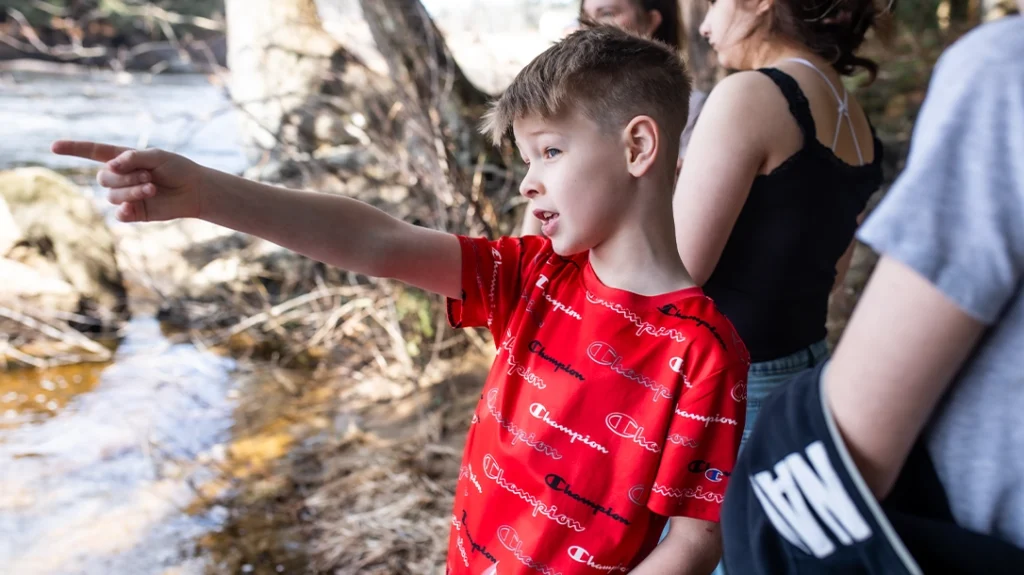
As they set the pace, stop and explore, they learn how to read the trail and see when it is safe to walk on and when a situation should maybe be assessed. You’re always there to guide them if truly necessary. This is a great opportunity for them to find comfort in nature and build a relationship through sensory experiences.
Advertisement — Continue Reading Below
I can still remember sitting near mud puddles as a child with my little sister making mud pies. I can remember the way the mud felt, smelled, and how fun it was to make things out of the earth. There’s something so free and fun about allowing yourself to get dirty and fully embrace the environment we’re in. Some of these moments have turned into my favorite memories. Of course along with letting them lead we also want them to stay safe. Keep them within sight and communicate with them about staying on the trails to protect the fragile ecosystem, watch for slippery rocks and roots, and high water crossings.
Why it Matters
These hikes aren’t just about getting outside with your kids, but encouraging them to learn, explore and gain valuable experience in nature. This has the potential to inspire them to continue to not only experience nature but to protect it for years to come. Conservation starts with experiences like this. Moments in the icy rivers, blooming flowers and mossy trails as a child have shaped the compassion I have toward nature and why I care so deeply about it.
You can celebrate with them and enjoy something warm or cozy after to encourage that positive connection to the hike. Instead of pushing distance or goals, push for an adventure that is full of opportunities for fun, adventure and exploration.
Check out this guide to Winter Camping With Kids!
Advertisement — Continue Reading Below
WHY OUR ARTICLES/REVIEWS DO NOT HAVE AFFILIATE LINKS
Affiliate links create a financial incentive for writers to promote certain products, which can lead to biased recommendations. This blurs the line between genuine advice and marketing, reducing trust in the content.