For as long as firearms have existed, their projectiles have been made from lead. Lead is relatively easy to mold because it is highly malleable. However, as firearm velocities increased, lead bullets began to melt in the bore, causing inaccuracies and leading buildup inside the barrel.
In 1882, jacketed bullets were developed. These consisted of a lead core enclosed in a gilding metal jacket made from copper or a copper alloy. The jacket material was harder than lead, yet still soft enough to engage the rifling. Unlike pure lead bullets, jacketed bullets resisted melting and prevented barrel leading.
Bullet manufacturers continued experimenting with designs in search of a projectile that could withstand high velocities without coming apart on impact. Designs such as the Nosler Partition became synonymous with big-game hunting around the world.
The Birth of the Monolithic Bullet
In the mid-1980s, Randy Brooks, former CEO of Barnes Bullets, was on a grizzly bear hunt when he began questioning why lead was necessary in a hunting bullet at all. Traditional jacketed bullets sometimes held together and sometimes did not, leading to inconsistent performance.
Brooks set out to design a monolithic bullet, meaning one made from a single material. In 1986, he used one of his early designs to harvest a grizzly bear in Alaska.
Advertisement — Continue Reading Below
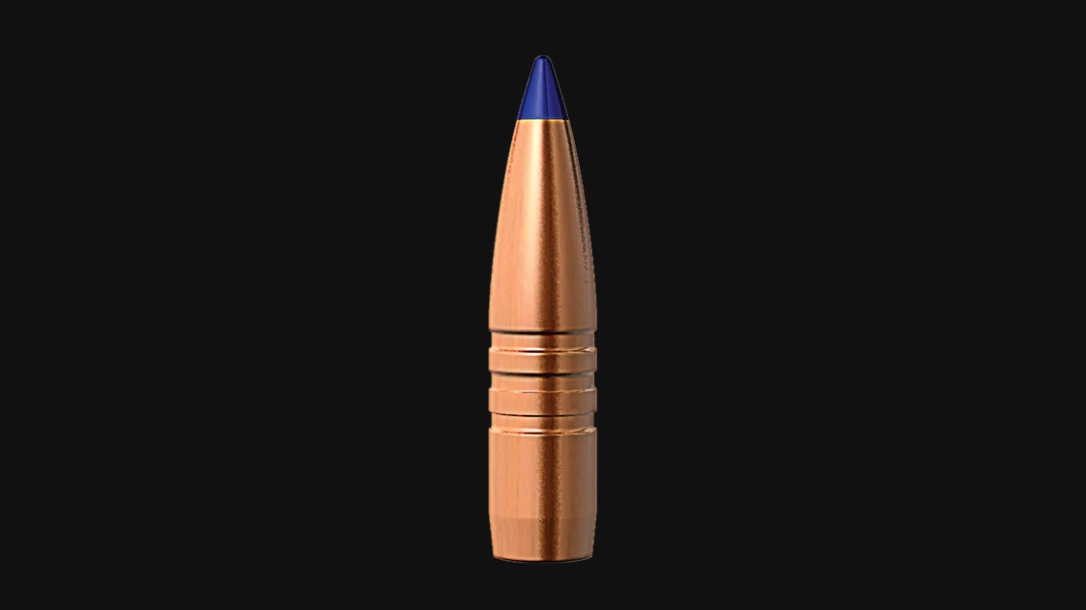
While it took several years to refine and market the concept, the Barnes X Bullet eventually became the benchmark by which all other monolithic bullets are judged.
I recall taking a whitetail deer with a conventional bullet and finding the projectile lodged just beneath the hide on the opposite side of the animal. The bullet had lost more than 70 percent of its original weight. While the deer succumbed quickly, a thicker-skinned, heavier-boned animal may not have, potentially resulting in a long and difficult tracking job.
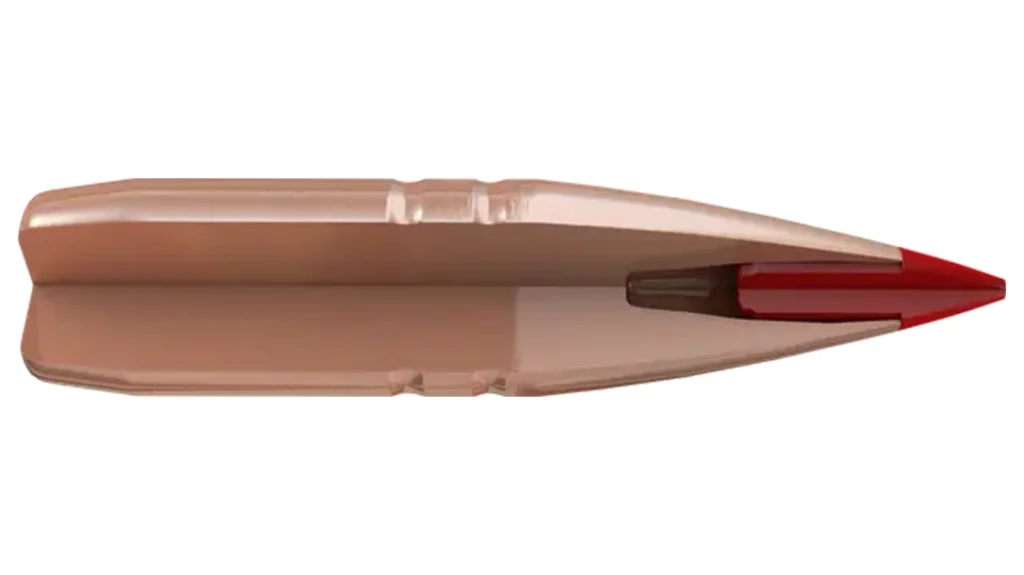
After that hunt, I switched exclusively to monolithic bullets. They perform exceptionally well at moderate and high velocities. In fact, monolithic bullets thrive on speed.
Today, the lead-free bullet market is growing rapidly. Major manufacturers including Hornady, Winchester, Remington, and Barnes all offer monolithic bullet options.
Advertisement — Continue Reading Below
Raising the Bar
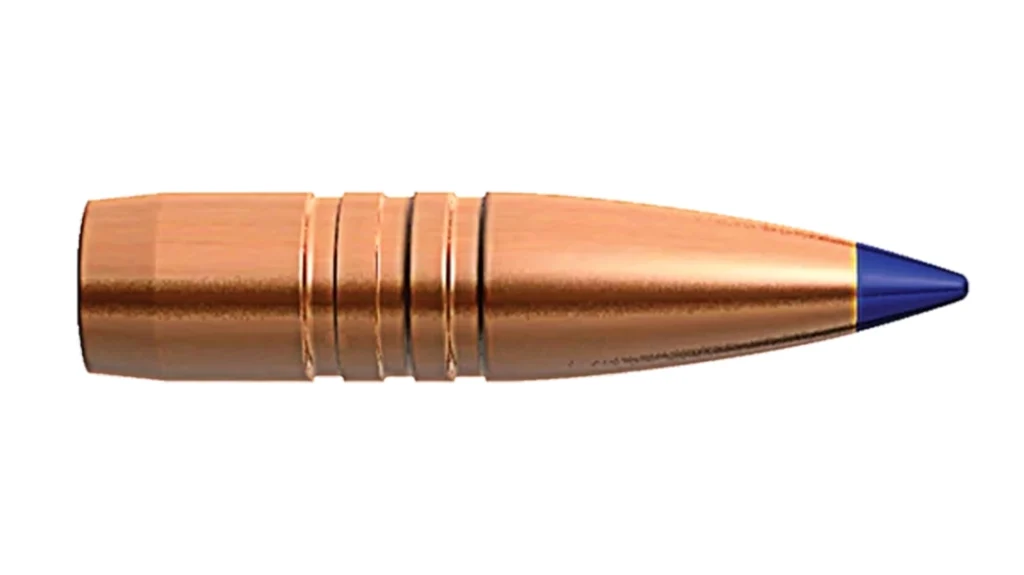
Boutique manufacturers such as Cutting Edge Bullets are continuing to push bullet technology forward for both hunters and shooters. Their precision lathe-turned bullets are held to tolerances within 0.3 grains of one another. Their claim of winning more extreme long-range matches than any other bullet speaks for itself.
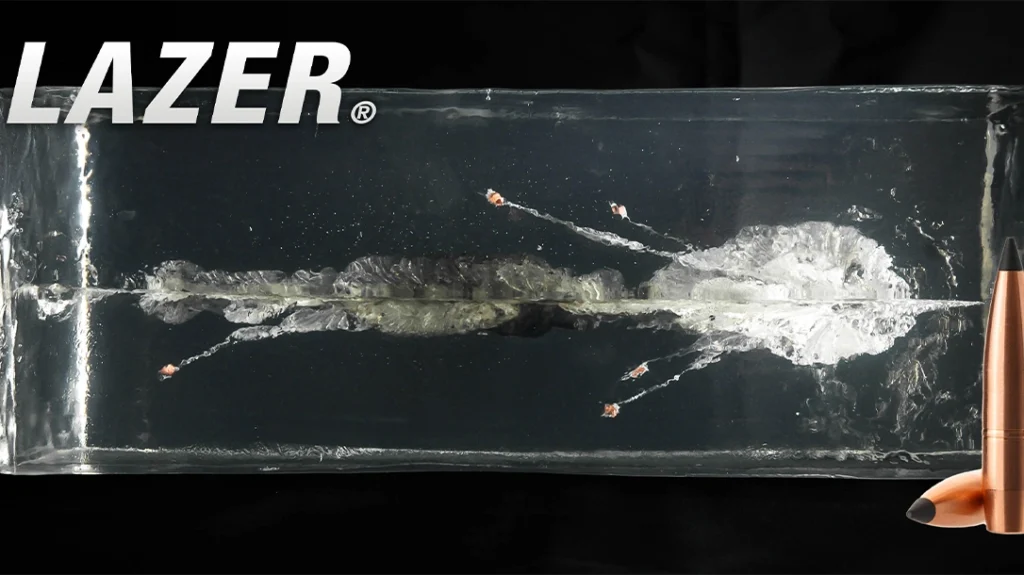
Unlike conventional bullets that mushroom upon impact, Cutting Edge Bullets are designed to fracture in a controlled manner.
According to Samantha Kennedy of Cutting Edge Bullets:
“All of our hollow points are designed to fracture. Our bullets shed the same number of petals each time.”
Advertisement — Continue Reading Below
“The benefit of this is multiple wound channels. The petals are larger than bullets that fragment, therefore they carry more energy and penetrate deeper. So, you get multiple wound channels, and you still get an exit from the base.”
For many hunters, the switch to lead-free bullets is driven by performance. For others, it is becoming a matter of legality.
A Lead Ban or a Gun Grab?
While waterfowl hunters have been required to use non-toxic ammunition since 1991, lead bullets have remained legal for most hunting applications throughout much of the country.
California introduced legislation in 2013 to phase out the use of lead ammunition for hunting. The ban became fully effective in 2019. Today, California prohibits the use of lead ammunition for any shooting, sporting, or recreational purpose.
Supporters of the ban argue that it helps prevent wildlife poisoning, particularly among scavenging birds such as the endangered California condor. These birds often consume animal carcasses and gut piles that may contain lead fragments. Biologists who support the ban believe lead ammunition is the primary reason condor populations declined.
Advertisement — Continue Reading Below
The Actual Data
The Hunt for Truth Association, whose mission is to educate the public on the legal implications of lead ammunition bans and keep people informed about developments in the lead ammunition debate, reviewed the data used to support California’s legislation and concluded that the report presented to lawmakers was one-sided.
While condor populations did decline, the organization’s findings noted that:
“Use of DDT, other organochlorine pesticides, and certain rodenticides throughout the remaining condor habitat in Central and Southern California had serious and significant impacts on condor populations.”
Although no other states currently ban lead ammunition outright, Colorado has launched initiatives to educate hunters about non-lead alternatives, and Maryland has begun phasing out lead bullets and shot with a target completion date of 2030.
Advertisement — Continue Reading Below
Past administrations have also attempted to restrict traditional lead ammunition on certain national wildlife refuges. Critics argue that such measures are designed to make hunting more expensive and ultimately reduce hunter participation.
Whether you’re shooting game or punching paper at the range, now may be the time to consider making the switch to a monolithic bullet.
WHY OUR ARTICLES/REVIEWS DO NOT HAVE AFFILIATE LINKS
Affiliate links create a financial incentive for writers to promote certain products, which can lead to biased recommendations. This blurs the line between genuine advice and marketing, reducing trust in the content.