Kansas has always had a hold on me. My wife, Wendy, is from Hugoton, and honestly, that’s enough to connect me to the “Wizard of Oz” state. But there’s more: Kansas stands apart because it still has wild pheasants, real, free-ranging birds, not the kind from a game farm.
The problem is that Wendy and I live far from flying monkeys or free-range pheasants in Virginia. While Virginia is a fine state for gobblers, deer, and even bears, its upland bird opportunities are limited. Pheasants are nearly mythical here. The last one I saw in the wild was next to a unicorn being ridden by Bigfoot.
Chasing Wild Birds in the Sunflower State
You’ll find them mostly on preserves or somewhere within walking distance of one. I hunt a few of those spots, and don’t get me wrong, it’s fun. Birds are there, you don’t fight crowds, you get to shoot a little and call it a good day. However, wild birds present a completely different challenge.
Hunting them demands more patience, skill, and adaptability than pursuing birds on preserves. They are unpredictable, wary, and quick to disappear, making every outing less certain and ultimately more rewarding for those willing to put in the effort.
Advertisement — Continue Reading Below
Efforts to improve upland bird numbers continue. For example, the Virginia Department of Wildlife Resources and groups like Quail Forever have helped occasional quail appear. Still, wild pheasants simply don’t exist here aside from the rare escapee. Virginia’s environment doesn’t support populations.
Habitat Matters: Why Kansas Works and Virginia Doesn’t
Pheasants aren’t native to North America. The most common species found in the United States, the ring-necked pheasant (Phasianus colchicus), originates from China and other parts of East Asia. For centuries, pheasants have been admired in Chinese culture for their beauty, intelligence, and as a symbol of prosperity. I admire them for their deliciousness, especially when they’re smoked with a dash of Nashville hot flavor. Thankfully, the ring-necked pheasant arrived well before anyone thought to slap a tariff on Chinese imports; otherwise, American hunters might still be waiting for their first rooster to clear customs!
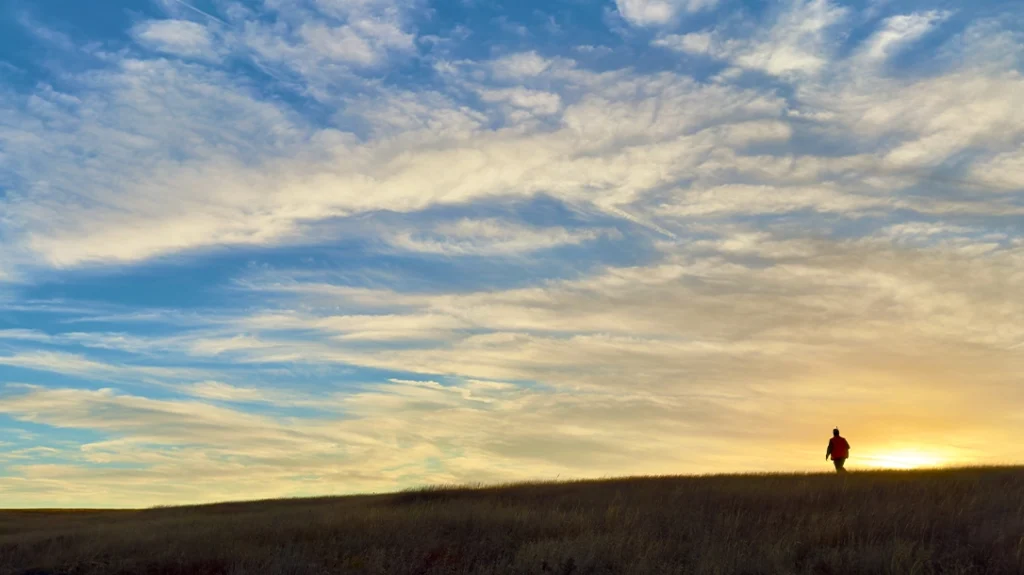
According to W. Hassel Taylor, the earliest recorded successful pheasant introduction in the U.S. was by O. N. Denny in 1881, when he brought 100 pairs of Chinese ringnecks from Shanghai to Oregon. Many tried after, but pheasants took hold in only 19 Northern and Western States. Failures stemmed from Virginia’s forests, hills, and wetlands, which don’t resemble the Midwest’s open plains and grasslands. Early efforts failed due to poor habitat, and urban sprawl continues to hinder change.
Pheasants need large grasslands and farmland. Virginia’s forests and fragmented land lack open space and cover. Many predators thrive here as winters are mild. Farming doesn’t favor pheasants, and native birds outcompete them.
Advertisement — Continue Reading Below
Virginia’s terrain, agriculture, and ecology do not support pheasants or their hunters.
That brings us to where Kansas shines.
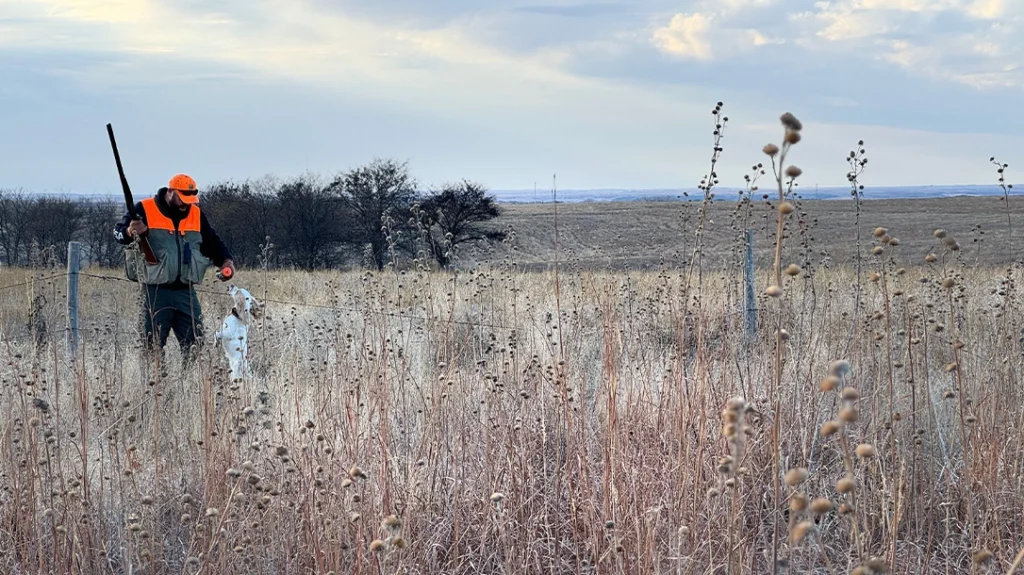
Wild pheasants thrive, especially in western Kansas, so we focused our hunt there. Kansas embraces exactly what it is, offering an authentic experience.
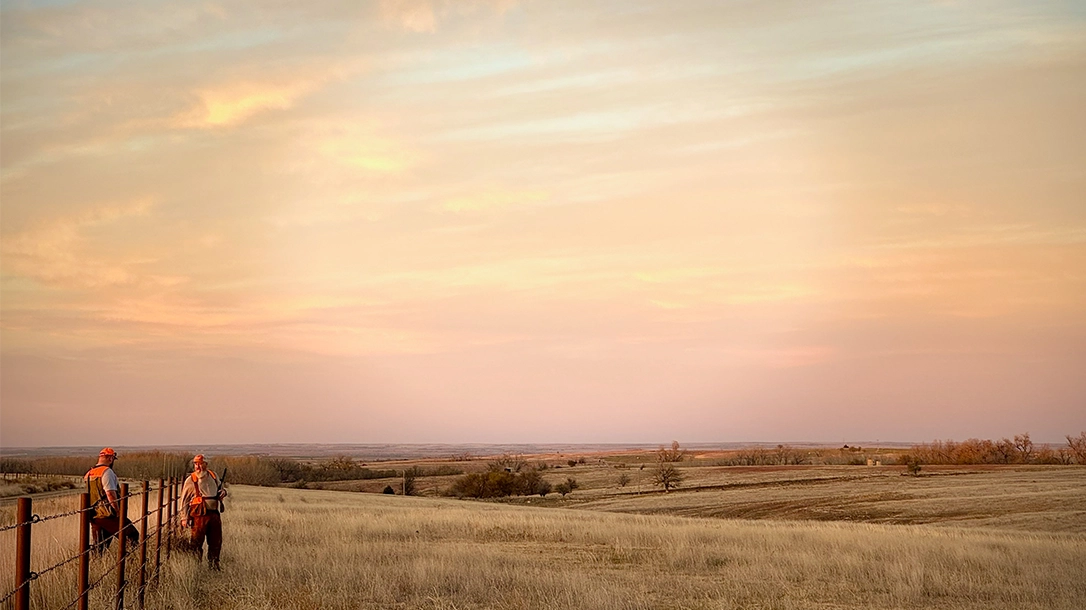
Where Virginia is broken up by timber, hollows, and layers of history, Kansas stretches out in wide-open plains. Virginia’s landscape conceals both birds and hunters, while Kansas, especially in the west, offers openness and clarity. It is a stark difference where everything is visible.
Advertisement — Continue Reading Below
In Virginia, hunters and birds disappear in the folds of the land; in Kansas, they stand revealed. Ample cover in Kansas gives pheasants places to hide and run, and edge habitat keeps hunts interesting. Kansas’s mix of Conservation Reserve Program ground, native grasslands, and agricultural fields provides everything birds and hunters need, including food, shelter, and challenge.
Kansas Walk-In Hunting Areas: Access to Opportunity
The Walk-In Hunting Area program adds even more ground for hunters to roam.
Another good thing about upland hunting is that you can talk while hunting. In fact, you should! No need to whisper or worry about being “shhhhhed” every time you speak. The social side of the hunt is part of the fun, and laughter carries just as far as a rooster’s cackle. I know, I heard it every time I missed.
You move freely in bright orange. Visibility keeps you safe. There’s no hiding from birds or hunters. That orange means camaraderie and safety.
Shotguns, Traditions, and Finding the Right Fit
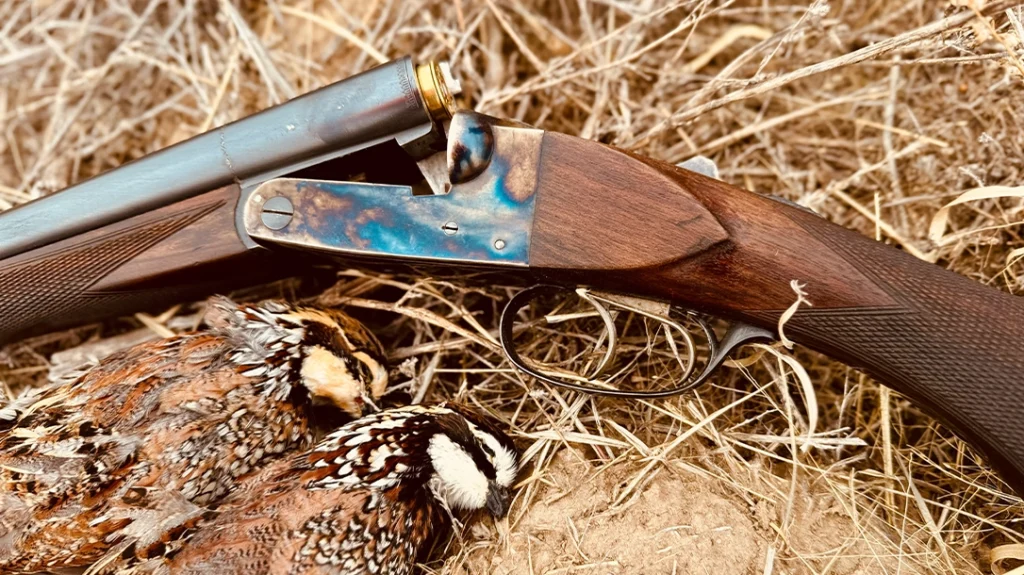
On this trip, I brought several shotguns. Some days, I carried a Mossberg 20-gauge. Other times, a post-WWII French MAS 16-gauge double.
Advertisement — Continue Reading Below
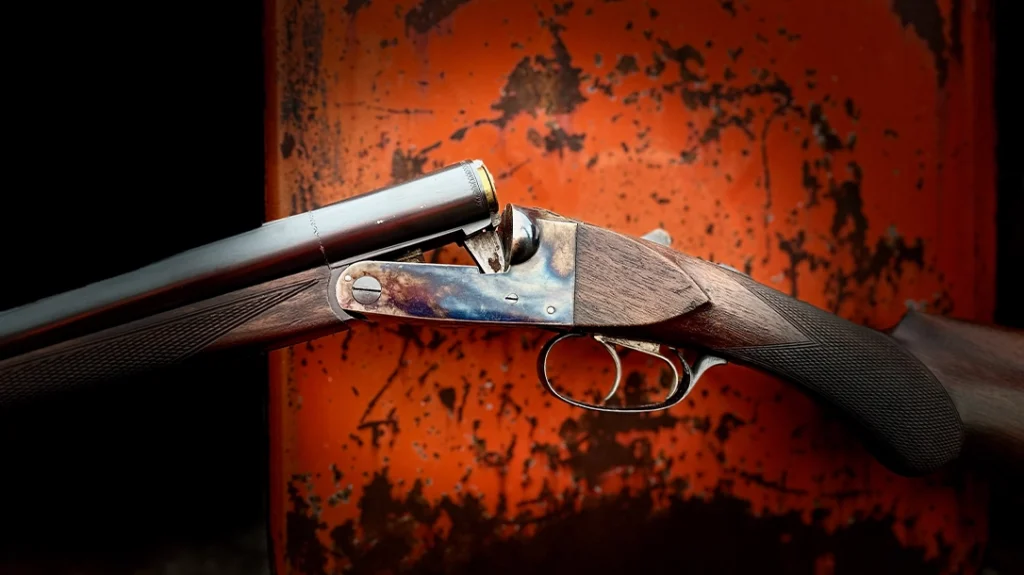
On this hunt, I first saw the Franchi Instinct SL 16 gauge at a Kansas gun store. I loved its balance and feel. That sparked a new obsession, and today, I own one. It’s my go-to, taking everything from pheasants to turkeys. The Franchi has proven itself and ties my hunts together from that first Kansas trip onward.
For years, Mossberg shotguns were my default, dependable, and familiar. Lately, I reach for the Franchi or the old MAS more often. Each brings its own feel, and switching up keeps things fresh.
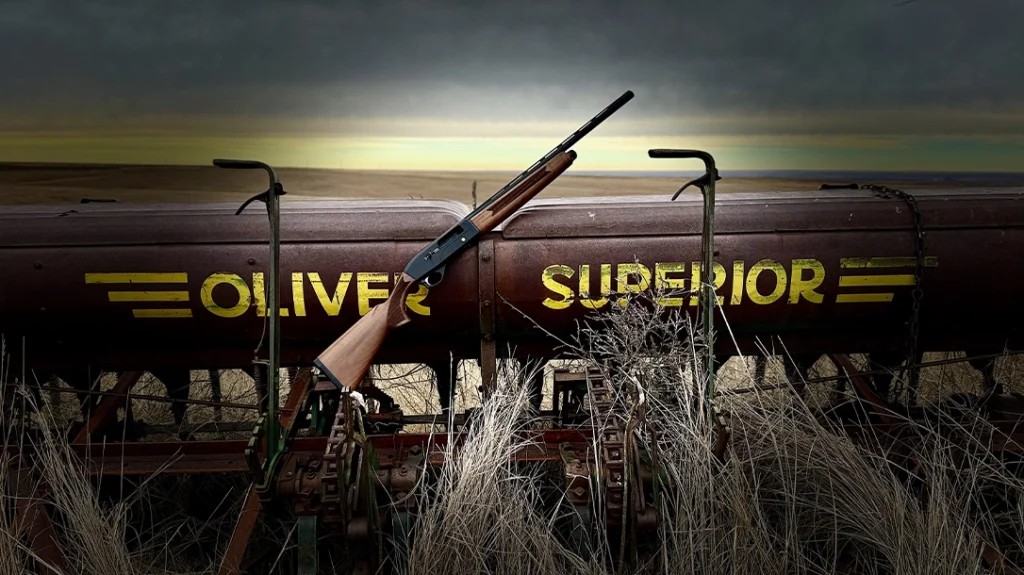
Any shotgun works if you carry it all day. Still, the Franchi Instinct SL is a solid choice, with more gauge options if you prefer to be ordinary. We bagged a few quail.
Advertisement — Continue Reading Below
The pheasants? They may have died from old age or laughter, but most certainly not from lead in our barrels.
That is Kansas pheasant hunting: wild and unscripted. For me, though, hunting in Kansas is about more than pursuing game. It is about heritage, families who have worked the land for generations, and hunters who return, not because it is easy, but because it feels right. Then there are the sunrises and sunsets. Wowzah.
Kansas may attract you with its birds, but its real value lies in the sense of belonging, tradition, and the people. Loving Kansas means appreciating its unmatched character, which stands out among other states and gives pheasant hunting, and life here, a special meaning. And that’s what keeps me coming back. Well, that and visiting the in-laws …
Helpful Links for Hunting Kansas Birds:
- Kansas Department of Wildlife and Parks Upland Hunting: https://ksoutdoors.com/Hunting/Upland-Birds
- Kansas Hunting Regulations and Seasons: https://ksoutdoors.com/Hunting/Hunting-Regulations
- Pheasants Forever Kansas Chapter: https://www.pheasantsforever.org/Participate/Chapter-Locator/State-Page.aspx?state=KS
WHY OUR ARTICLES/REVIEWS DO NOT HAVE AFFILIATE LINKS
Affiliate links create a financial incentive for writers to promote certain products, which can lead to biased recommendations. This blurs the line between genuine advice and marketing, reducing trust in the content.
Advertisement — Continue Reading Below