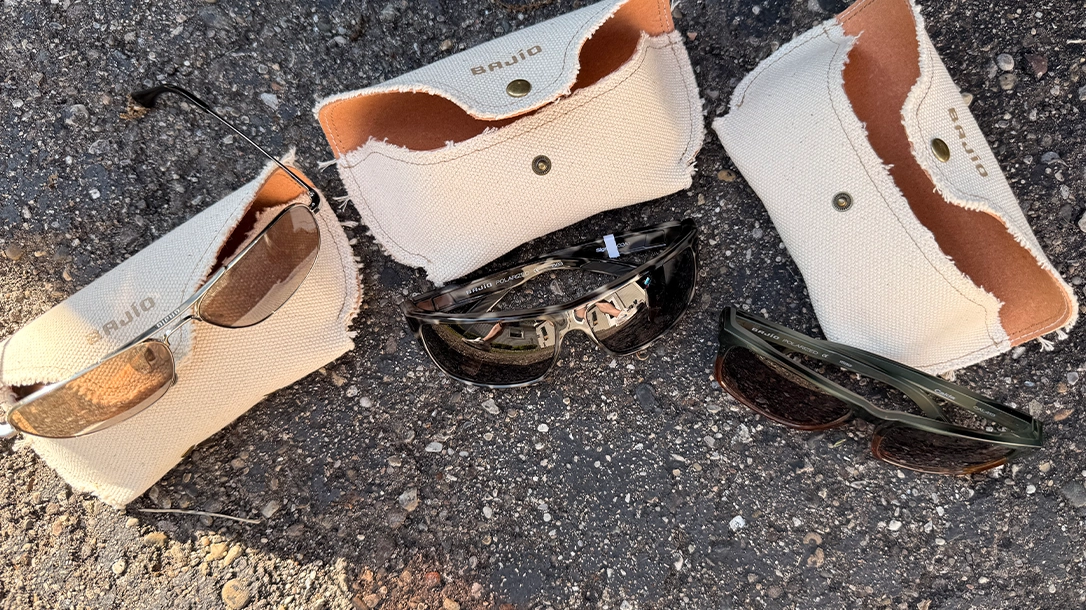
It is said that Roman Emperor Nero used polished emeralds to watch gladiator fights, helping reduce glare from the sun. While primitive by today’s standards, it was one of the earliest examples of using eyewear to manage bright light and reflections.
Since then, sunglasses have evolved through countless innovations. In the 1920s, sunglasses were associated with wealth and celebrity, as silent film actors often wore them to conceal their identities off camera. During the 1930s and 1940s, military pilots were issued sunglasses to reduce glare while flying combat missions.
The trend continued through the decades. In the 1980s, pop culture icons like Michael Jackson and Madonna once again made sunglasses a must-have fashion accessory. Throughout their history, sunglasses have moved back and forth between functionality and style, but one of the biggest booms came during the 1990s and early 2000s, when manufacturers began designing eyewear specifically for athletes and outdoor enthusiasts.
Advertisement — Continue Reading Below
While sunglasses themselves were nothing new, one of the most significant advancements in the last century came from an unexpected source: Polaroid.
The Birth of Polarized Lenses
Soon after sunglasses became popular in the 1920s, Bausch & Lomb was commissioned by the U.S. Army Air Corps to develop eyewear that could reduce glare for pilots. This led to major advancements in lens technology.
In 1936, inventor Edwin H. Land developed the first polarized lenses using his patented filter technology. These lenses significantly reduced glare from reflective surfaces such as water and roads. The product was marketed as “Polaroid Day Glasses.”
Advertisement — Continue Reading Below
A year later, in 1937, the Polaroid Corporation was founded.
During World War II, Ray-Ban popularized polarized aviator sunglasses among military pilots. The style eventually became one of the most iconic designs in eyewear history and was famously featured in the 1986 movie Top Gun. By the 1940s, polarized sunglasses were being marketed to the general public, offering improved visual comfort and protection from sunlight during activities such as driving, boating, and fishing.
Advertisement — Continue Reading Below
Why Polarized Lenses Matter
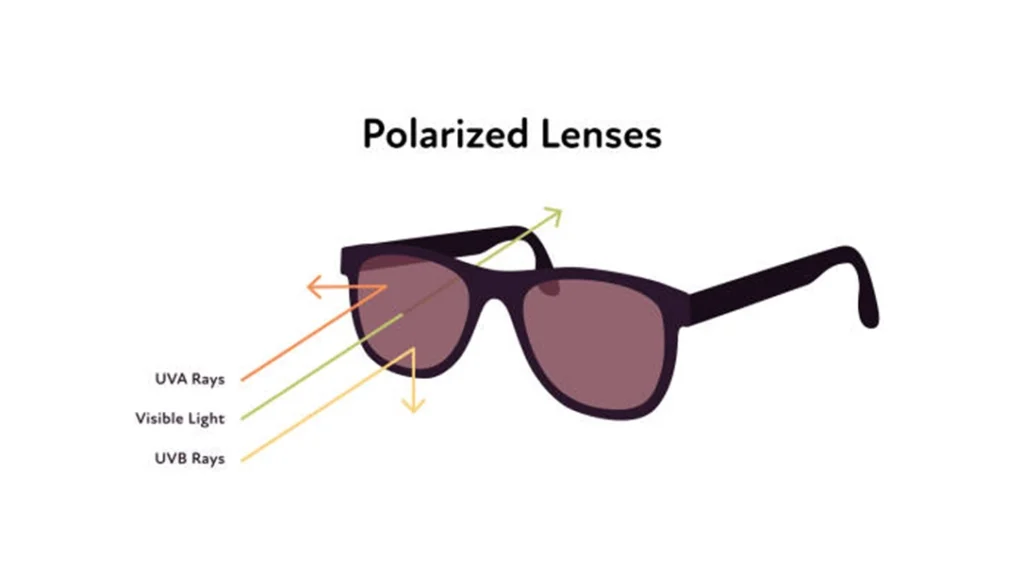
Polarized lenses use a specialized filter that blocks intense reflected light while allowing vertically aligned light to pass through. This dramatically reduces glare from reflective surfaces such as water.
For anglers, the advantage is obvious. Instead of staring at bright reflections on the water’s surface, polarized lenses allow you to see beneath the glare and into the water itself. Whether you’re sight-fishing shallow flats or scanning structure offshore, the ability to see more clearly can make a significant difference.
Choosing the Right Lens Color
Once you’ve decided on polarized sunglasses, the next step is choosing the right lens color for your fishing conditions.
Advertisement — Continue Reading Below
Amber, copper, and brown lenses are excellent choices for shallow-water applications. These colors block blue light and enhance contrast, helping fish and their shadows stand out against sandy or muddy bottoms.
Gray lenses or blue mirror lenses over a gray base are ideal for open-water environments. These darker tints reduce intense sunlight while maintaining natural color perception.
Advertisement — Continue Reading Below
For overcast days, early mornings, or evening fishing trips, yellow or light amber lenses perform best. These brighter tints maximize available light and improve visibility when conditions are flat and cloudy.
Versatile, All-Around Use
For anglers who fish a variety of environments, green mirror lenses are often the safest choice. Typically built on a copper or amber base with a green reflective coating, they excel in versatile inshore environments and grassy flats.
Personally, my favorite options are green mirrored lenses and silver mirrored lenses, depending on whether I’m fishing shallow, clear water or deeper water under bright sunlight.
Advertisement — Continue Reading Below
Why I Choose Bajío
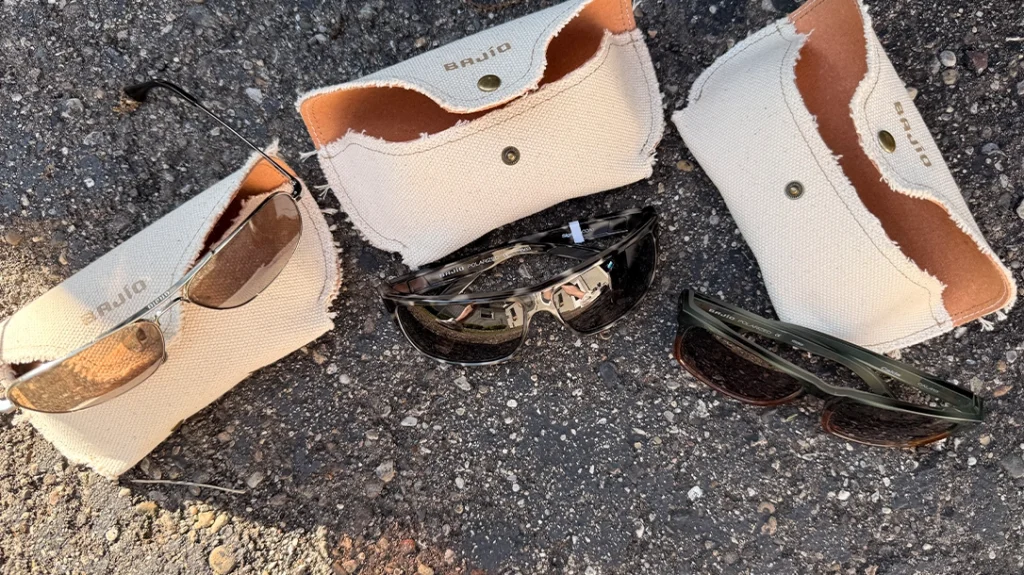
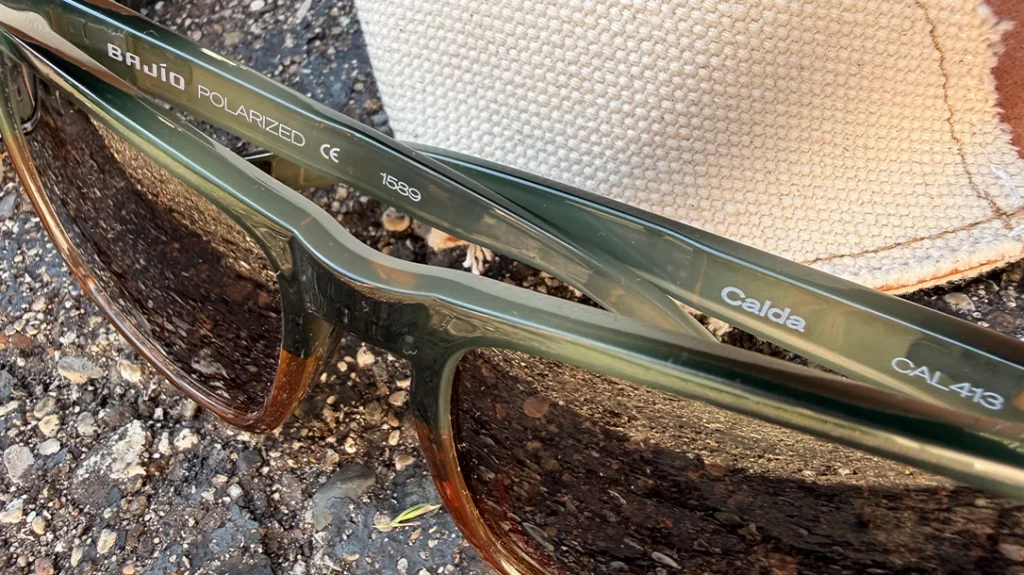
For both fishing and everyday wear, I prefer Bajío sunglasses.

The company offers a wide range of styles, sizes, and lens colors, making it easy to find an option that fits virtually any activity or adventure. Bajío also stands out because it is not owned by one of the large eyewear conglomerates, and its sunglasses are hand-assembled in Florida.
Currently, Bajío offers more than 35 sunglass models, ranging from hardcore fishing frames to wide-body styles and casual lifestyle designs. The company also offers approximately 14 different lens options, including both glass and polycarbonate lenses.
My Favorite Models
For everyday fishing, my go-to pair is the Sigs model paired with green mirror glass polarized lenses.
The Sigs feature a full-wrap design that blocks more peripheral glare than traditional flat-frame sunglasses. They’re lightweight, comfortable, and highly effective across a wide range of fishing conditions.
For deep-water fishing or especially bright days on the lake, I often switch to the Snipes model with silver mirror glass lenses. These sunglasses also work well as an everyday option for outdoor adventures in bright conditions.
The Snipes feature a classic aviator-style frame, paying tribute to the original polarized sunglasses that gained popularity after World War II.
WHY OUR ARTICLES/REVIEWS DO NOT HAVE AFFILIATE LINKS
Affiliate links create a financial incentive for writers to promote certain products, which can lead to biased recommendations. This blurs the line between genuine advice and marketing, reducing trust in the content.