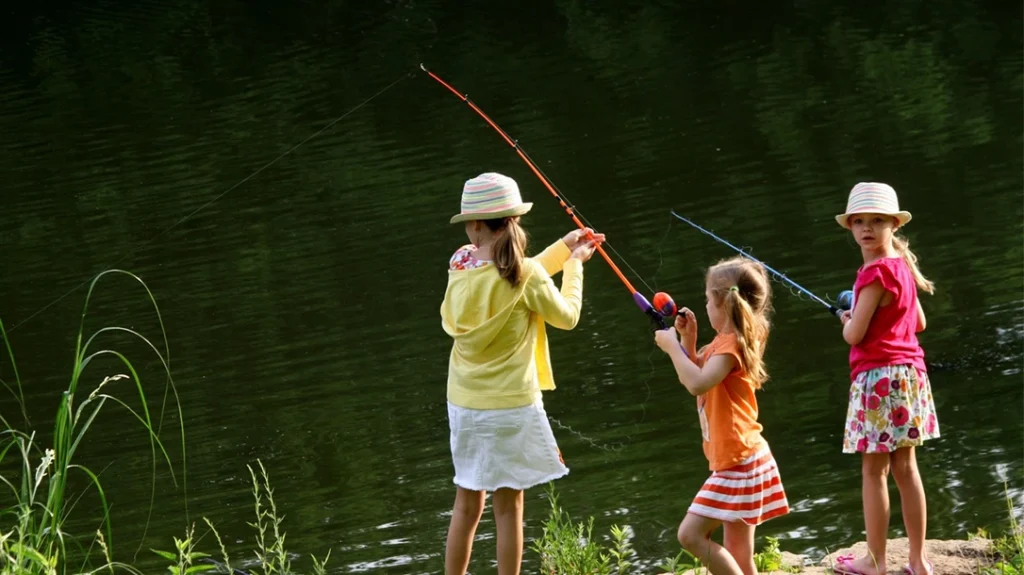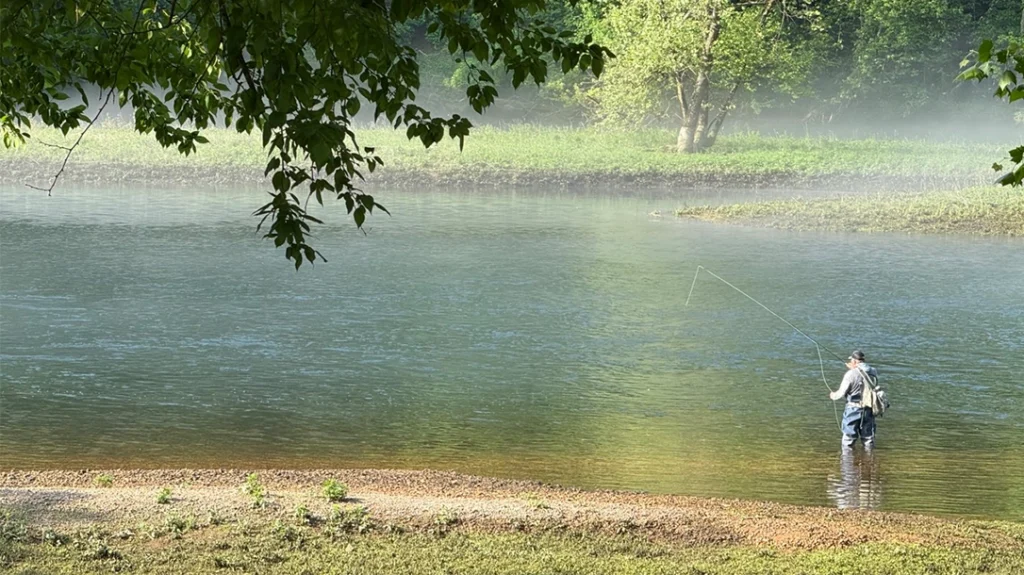
The U.S. Fish and Wildlife Service (FWS) is proposing the largest expansion of hunting and fishing access in agency history, a move that would open or expand opportunities across more than 92 million acres of federal land.
According to the Department of the Interior, the proposal would make roughly 95 percent of National Wildlife Refuge System lands available to hunting opportunities while adding or expanding more than 1,450 hunting and fishing opportunities at 111 field stations across 32 states.
The proposal includes 107 national wildlife refuges and four national fish hatcheries. It would also establish first-ever hunting or sport fishing access at 14 refuges and three hatcheries.
Advertisement — Continue Reading Below
Big Moves For Hunting Access
The move aligns with broader Interior Department efforts under the Trump administration to expand public access to federally managed lands and reduce what officials describe as unnecessary regulatory barriers surrounding hunting and fishing access.
Earlier this year, Interior Secretary Doug Burgum signed Secretary’s Order 3447, directing Interior agencies to identify and remove administrative or regulatory restrictions limiting access for hunters and anglers on Department-managed lands and waters.
Advertisement — Continue Reading Below
“We are pleased to continue to increase access for hunters and anglers while fulfilling our conservation mission, and we are committed to responsibly managing these areas for the benefit of future generations,” U.S. Fish and Wildlife Service Director Brian Nesvik said in the agency release.
New Opportunities
The National Wildlife Refuge System is the world’s largest network of lands and waters dedicated specifically to wildlife conservation. It includes 573 national wildlife refuges and 38 wetland management districts and sees more than 71 million visitors annually.
While these lands are managed primarily for the protection of fish, wildlife, and plant resources, many refuges also allow recreational uses, including hunting, fishing, wildlife viewing, and photography.
Advertisement — Continue Reading Below
According to the most recent National Survey of Fishing, Hunting and Wildlife-Associated Recreation, nearly 40 million Americans participate in fishing and 14.4 million hunt nationwide. Combined, those activities contribute approximately $144 billion annually to the U.S. economy through equipment purchases, travel, licensing, lodging, and related spending.
Proposal Support & Concern
The proposal has already generated strong reactions from both sides of the debate. Hunting and angling groups largely support the move, arguing that expanded access strengthens America’s conservation model by increasing participation in hunting and fishing on public lands. Many also point to the economic impact of those activities, which support local communities, conservation funding, and outdoor recreation industries nationwide.
Anti-hunting groups, meanwhile, have voiced concerns about how expanded hunting and fishing access could affect sensitive habitats, wildlife management priorities, and visitor experiences on certain refuges. The proposal will now move through a public review and comment period before the Fish and Wildlife Service makes any final decisions on the expansion.
Advertisement — Continue Reading Below
WHY OUR ARTICLES/REVIEWS DO NOT HAVE AFFILIATE LINKS
Affiliate links create a financial incentive for writers to promote certain products, which can lead to biased recommendations. This blurs the line between genuine advice and marketing, reducing trust in the content.