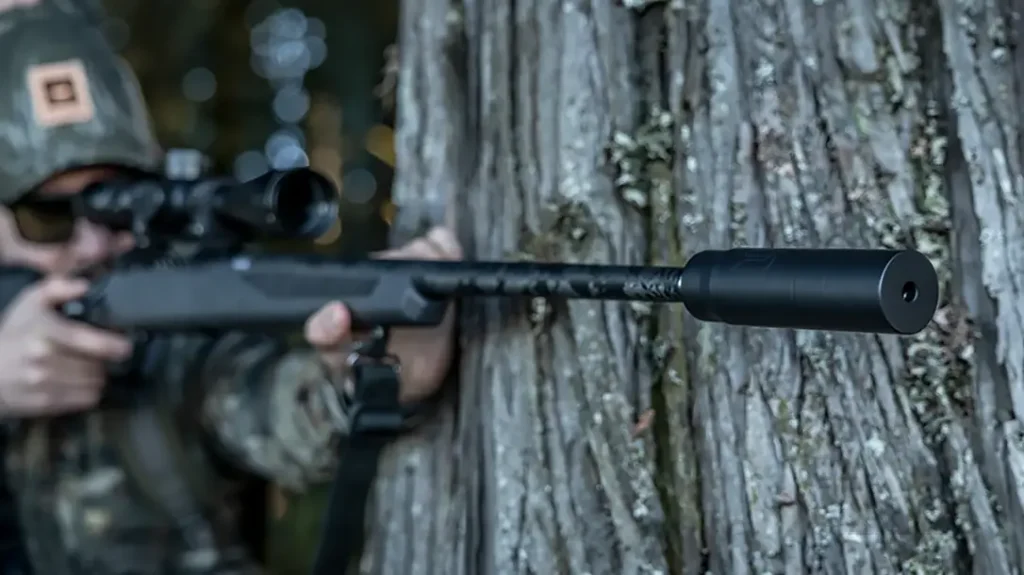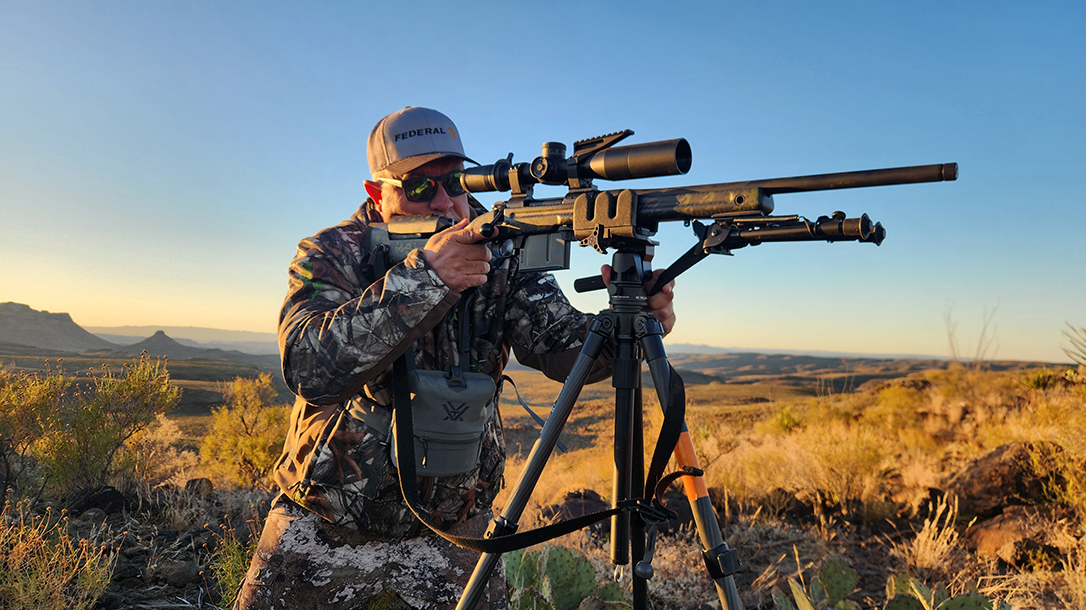
While there are many things we focus on as hunters, few are as critical as good marksmanship. We all recognize that being a good shot is important, yet I personally find that few hunters take practicing seriously. Like you, in the few weeks preceding opening day, I find the range generally full of hunters doing little more than making sure their rifles actually work and zeroing their optics. While I can appreciate the fact that practice with your rifle takes time, I believe hunting marksmanship is a critical skill.
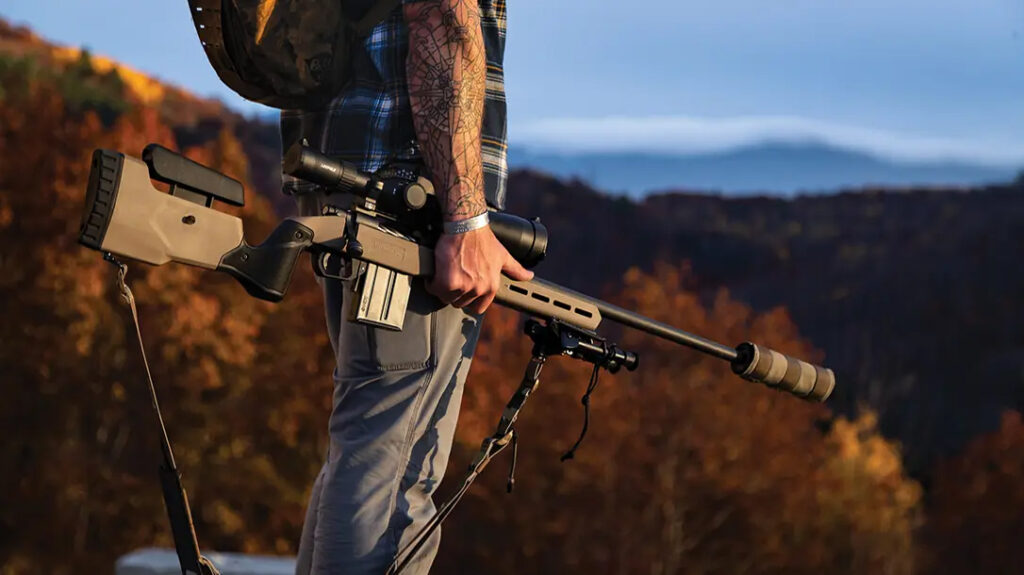
Hunting Marksmanship – More Than Zeroing Your Rifle
In the hunting world, there are two types of people: people who have missed shots and people who simply lie. It is just a fact that we will occasionally miss a shot. However, the more we practice and the better we get with a rifle, the lower the chances that we miss that critical shot. Today I want to talk about some basic practice and training that can help you when the opening day finally arrives.
One type of marksmanship training that is often overlooked is dry practice. Dry practice is using an empty rifle or one that has an inert or snap cap in the chamber. With this setup, I can practice good, clean trigger presses as well as manipulating the bolt. This training can be done from the comfort of your own home or your shop.
Advertisement — Continue Reading Below
Dry Practice
Some things to focus on during dry practice are a good, smooth press. Many shots are missed because we simply rush the trigger. This is understandable, especially if you’re looking through the optic at the animal of a lifetime. Nerves and excitement are a real thing, and at times, we rush the trigger, and in doing so, we foul the shot. Another benefit of dry practice is that it helps us get into the habit of staying on the optic. We want to watch our shot through the optic all the way through, rather than pressing the trigger and then raising our head to see if we made it. The better our ability to stay on the optic, the greater our chance of delivering a follow-up shot if needed.
Learn Your Holdovers
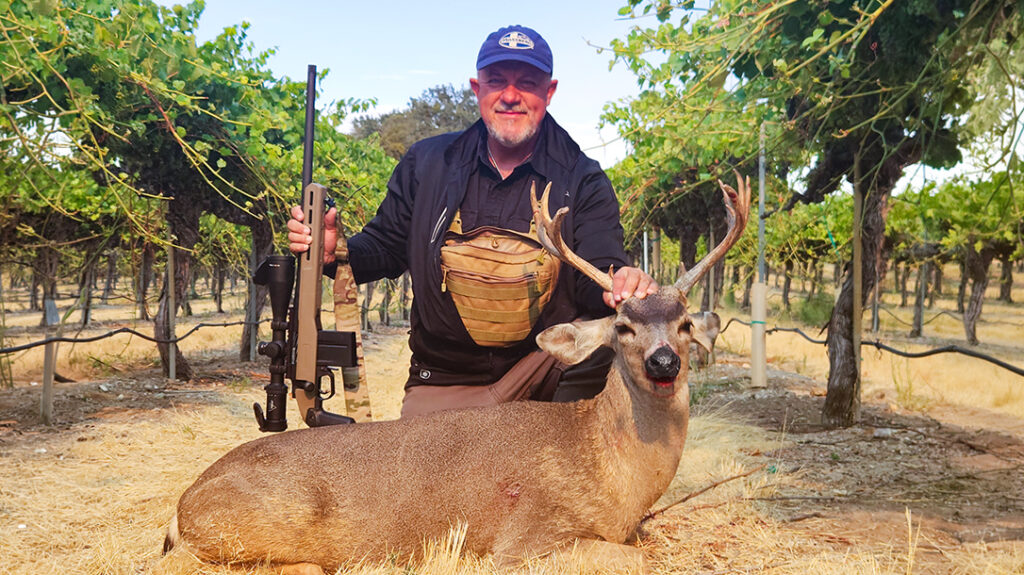
A good marksmanship drill that we can use on the range is learning our holdovers. While I am personally a scope nerd and tend to dial for everything, sometimes the situation dictates that we simply use a hold. Most modern optics have reticles that include hold marks. This is a good way to truly learn your optics.
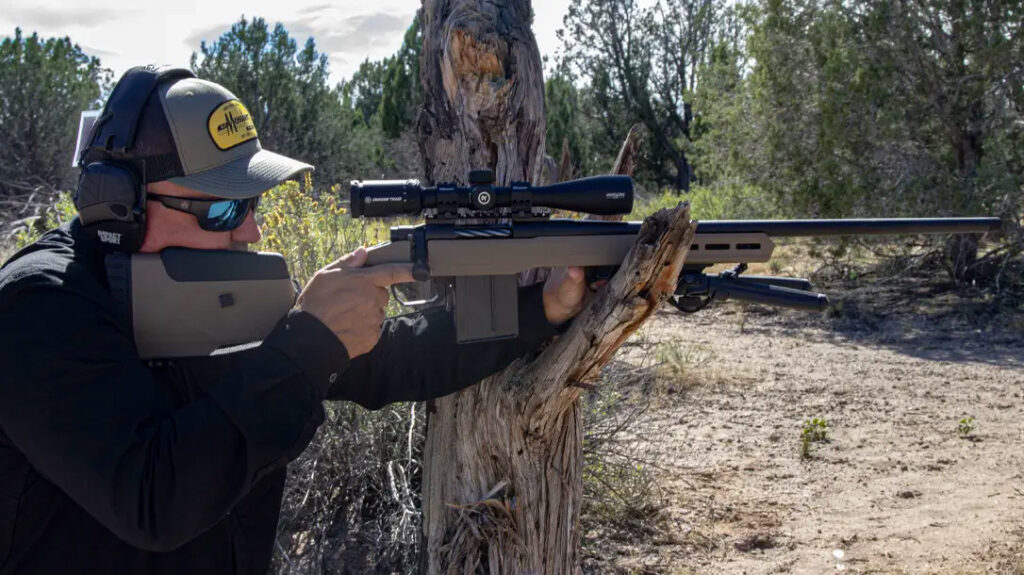
Set your targets up at three different distances. An example would be 50 yards, 100 yards, and 300 yards. Set yourself up in your standard hunting configuration. For example, if you’re using shooting sticks or a tripod, set them up as if you were in the field. I would discourage you from using a shooting sled or bags, because this is not how you will shoot in the woods. Once you’re set up, break your shot on the 50-yard target, move to the 100-yard target, make your hold, break the shot, and repeat this at 200 yards. If you are so inclined, you can work backward from that as well. I would repeat this at distances you feel you may need to shoot.
Fast Shots
A second drill that I use quite often is to break multiple shots on the same target as quickly as possible. This drill forces me to practice good, smooth bolt manipulation. It also forces me to stay down on the optic once again. My goal is to create a nice, tight group even while running the gun quickly.
Advertisement — Continue Reading Below
Malfunctions
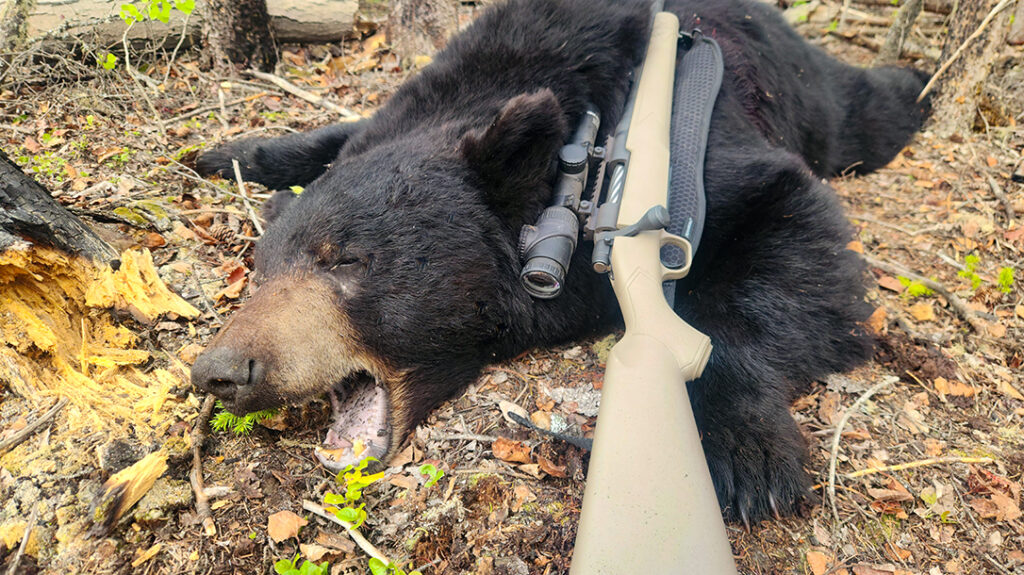
A third and final drill I practice with may seem a bit extreme; however, I believe it is very important. This drill is working with malfunctions. If you hunt long enough, you will indeed experience a malfunction in your rifle. It could be a misfeed, a bad round, or a magazine issue, but it will inevitably occur at some point. For this drill, I randomly insert a dummy round in my magazine. I set my target up at 100 yards and begin breaking my shots. Once I experience the malfunction, I quickly clear it as smoothly as I can while staying on the gun. While malfunction drills are very popular in the tactical world, I believe they are equally important for hunters. This is especially true if you’re looking down the barrel at the animal of a lifetime.
Hunting Marksmanship – Ethics
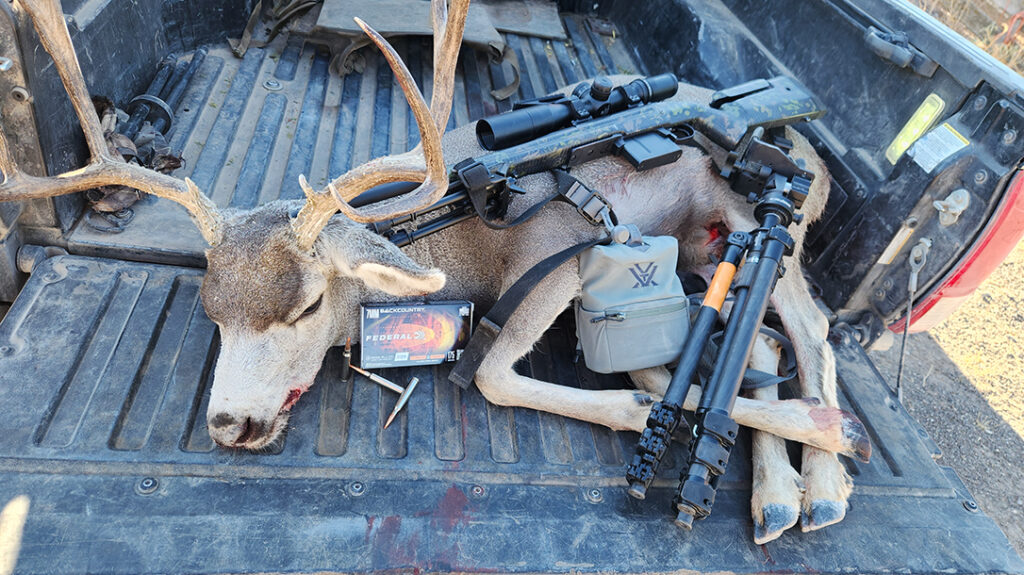
While harvesting the animal we are hunting is important, I also believe that solid marksmanship is critical to being an ethical hunter. Bad shots can lead to wounded animals that are never recovered. I encourage you to take some time, long before opening day, not only to tune your rifle but also to tune yourself. Good luck and good hunting.
WHY OUR ARTICLES/REVIEWS DO NOT HAVE AFFILIATE LINKS
Advertisement — Continue Reading Below
Affiliate links create a financial incentive for writers to promote certain products, which can lead to biased recommendations. This blurs the line between genuine advice and marketing, reducing trust in the content.