The 2026 tick season is predicted to be one of the worst on record across many parts of the country. Although many people hoped rough winter conditions would reduce tick populations, the pattern of cold-to-warm-back-to-cold temperatures and heavy snowfall may actually contribute to a surge. Instead of killing ticks, snow can help insulate them and protect them from freezing temperatures. Along with winter conditions improving their survival odds, early warm spells have woken ticks up sooner, resulting in a longer active season.

Tick awareness doesn’t just matter for hikers or those who spend time in the woods. Ticks are in local parks, backyards, leaf piles, forest edges, gardens, and anywhere with tall grass or an environment that supports them. Ticks are a threat not only to humans, but especially to our pets, who are most likely to be exploring these areas.
Advertisement — Continue Reading Below
Why Ticks Are So Difficult to Avoid
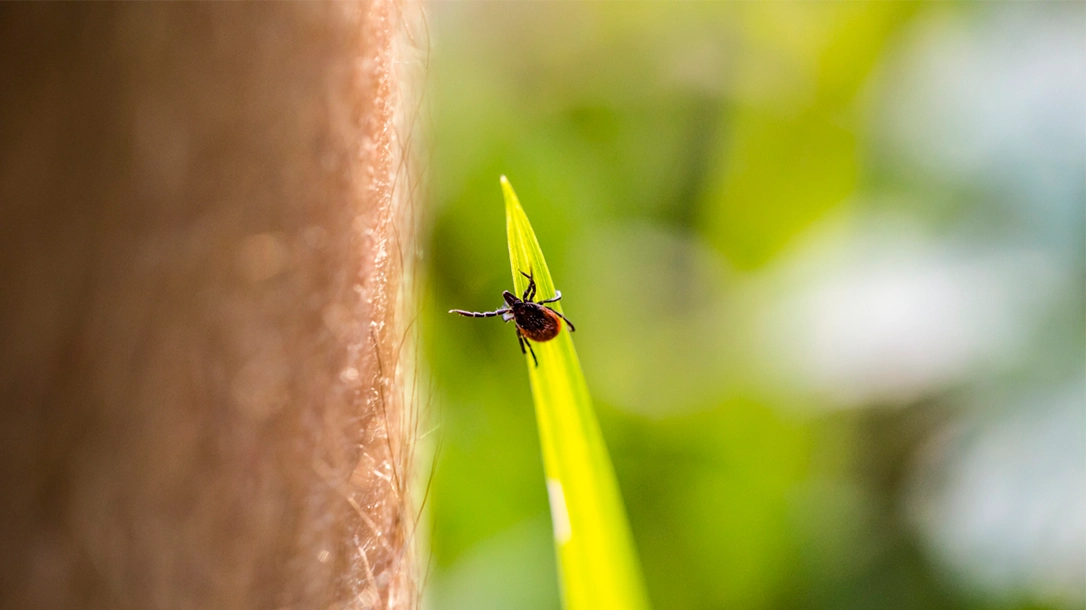
Ticks cannot survive without blood because it is their only food source. They detect their hosts by sensing body heat, moisture, and even vibrations. You may have seen the eerie photos of ticks perched on a leaf, just waiting to latch onto a host. Although blood is their only food source, ticks can survive for months or even over a year waiting for a host to pass by, which is why they are able to survive through harsh winters and seasonal changes.
Common Ticks Found Across the U.S.
The most common types of ticks found throughout much of the United States are blacklegged ticks (deer ticks), dog ticks, and lone star ticks.
Deer Ticks
The deer tick is one of the most well-known ticks in North America and is the main carrier of Lyme disease. Any time temperatures are above freezing, deer ticks can become active. They prefer wooded areas where deer are most prevalent. Their small size makes them more difficult to spot. Nymphs and adult females tend to be responsible for most bites due to their size and feeding habits. Because they are most active in late spring and early summer, these are the times of year when it is most important to stay vigilant.
Advertisement — Continue Reading Below
Dog Ticks
Dog ticks are known for spreading several tick-borne diseases, most commonly Rocky Mountain spotted fever. There are two variations of dog ticks: the American dog tick and the brown dog tick. Both ticks carry disease. These ticks are commonly found in grassy areas and can sneak up on you when you aren’t expecting it. Think fields, overgrown lawns, and places many dogs frequent.
Lone Star Ticks
Lone star ticks can be very aggressive biters, which tends to make them sound even scarier. They are a common source of diseases including ehrlichiosis and tularemia. This tick is also most often associated with the strange side effect of suddenly causing an allergy to red meat, known as Alpha-gal Syndrome. This tick frequents both wooded and grassy areas, affecting nearly anyone spending time outdoors.
Diseases Spread by Ticks
The most common diseases spread by ticks are Lyme disease, Rocky Mountain spotted fever, babesiosis, and Alpha-gal Syndrome. Tick bites can easily be missed if you aren’t giving yourself, your child, or your pet a thorough check after being outdoors. This is because ticks tend to go for hidden areas on the body such as armpits, behind the ears, the scalp, waistbands, and behind the knees.
Advertisement — Continue Reading Below

Preventing Tick Bites
Although ticks can be a scary threat during the warmer months, there are many things we can do to prevent tick bites and stop them from leading to disease if a bite is found early.
When getting ready for a hike, it’s best to consider how much skin you’re willing to expose. If weather permits, do your best to keep yourself mostly covered by tucking your pants into your socks and wearing long sleeves and pants.
Advertisement — Continue Reading Below
Of course, by late summer the humidity can really set in, and even thinking about putting on pants can feel overwhelming. In these cases, EPA-approved repellents and clothing treatments like permethrin can help.
Hiking habits that help avoid heavily tick-infested areas include staying on the trail (a good hiking practice regardless), avoiding brushing against vegetation, and avoiding leaf litter. Creating barriers between wooded areas and your yard can also help prevent ticks from wandering into your garden or lawn.
Check out this article: Barriers to Protect Your Skin from Insects’ Bloodthirsty Attacks!
Advertisement — Continue Reading Below
The Importance of Tick Checks
The best thing you can do to prevent ticks from latching on, or staying latched on for too long, is a thorough tick check. Be sure to check all of those hidden areas where ticks commonly attach.

While water does not kill ticks, showering after outdoor activity is still a good idea because it can wash ticks off before they latch on. Sometimes we may find a tick wandering up our arm or crawling in a visible area while searching for a suitable place to attach. This is the best case scenario and makes the tick much easier to remove.
Advertisement — Continue Reading Below
Another useful trick is washing and drying your clothes on high heat. The dryer can dry ticks out and cause fatal dehydration.
Proper Tick Removal
If you do spot a tick that is latched on, it is essential to remove it right away. Tick removal should be done carefully and slowly, so staying calm can help the process go as smoothly as possible.
Ticks burrow their heads into the skin, and if you accidentally remove only the body, the head can still remain embedded and potentially spread disease. A pair of fine-tipped tweezers works best because they can grab the tick more easily. Pull upward steadily and do not twist, as twisting increases the risk of tearing the body away from the head. After the tick is removed, clean the area thoroughly with something like Dawn dish soap, rubbing alcohol, or both.
Symptoms to Watch For
Things to watch for after a tick bite include fever, rash, flu-like symptoms, fatigue, and joint pain. Treating a tick-borne disease as early as possible decreases the risk of it becoming long term.
Staying Aware Without Living in Fear
Awareness and prevention are the best defenses against ticks. Awareness does not have to equal so much fear that we avoid the outdoors altogether. Balancing caution with our love for nature helps us enjoy it without constantly fearing what could happen if we encounter a tick.

These experiences outdoors are still very much worth having. Outdoor recreation is a part of everyday life for many people, especially during the months when we are finally able to feel the sun on our skin again.
Ticks may be small, but they can carry a lasting impact on adults, children, and pets. With awareness and prevention, we can continue to safely enjoy these magical places.
Take a look at this article next: Defend Against Nature’s Slithering Serpents
WHY OUR ARTICLES/REVIEWS DO NOT HAVE AFFILIATE LINKS
Affiliate links create a financial incentive for writers to promote certain products, which can lead to biased recommendations. This blurs the line between genuine advice and marketing, reducing trust in the content.