If there is one thing nearly every hunter, angler, hiker, and camper can agree on, it’s this: ticks suck.
These tiny eight-legged parasites survive by feeding on the blood of animals and people. While they’re small, they can have a major impact on your health. Few things will make your heart race faster than feeling an unfamiliar bump on your skin and realizing it’s a tick.
Because ticks are capable of transmitting several diseases, knowing how to prevent bites, remove ticks properly, and recognize potential warning signs is an essential outdoor skill.
Advertisement — Continue Reading Below
Preventing Tick Bites
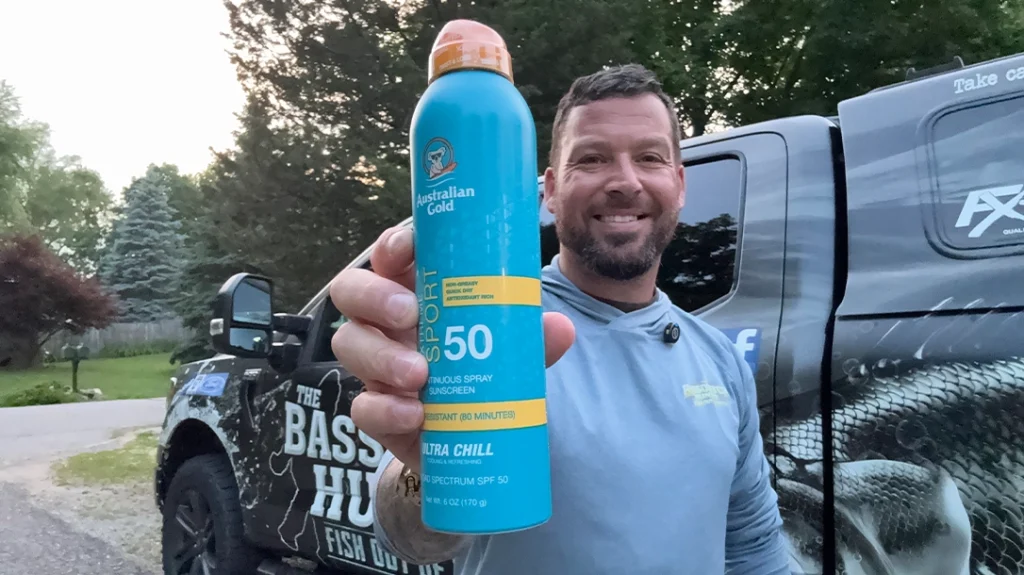
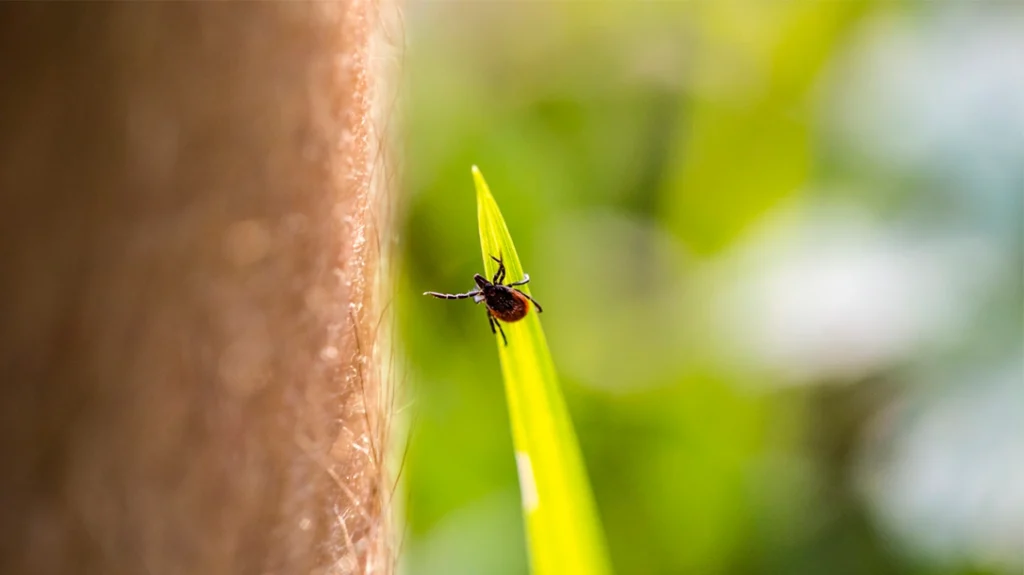
If you’re spending time outdoors, especially in wooded areas, tall grass, or brush, take a few precautions before heading out. Treat clothing and gear with permethrin. Use an EPA-approved insect repellent containing DEET or another effective active ingredient on exposed skin. Wear long pants tucked into your socks when practical. Stick to established trails whenever possible. Perform a thorough tick check every day after returning indoors.
Perform a Thorough Tick Check
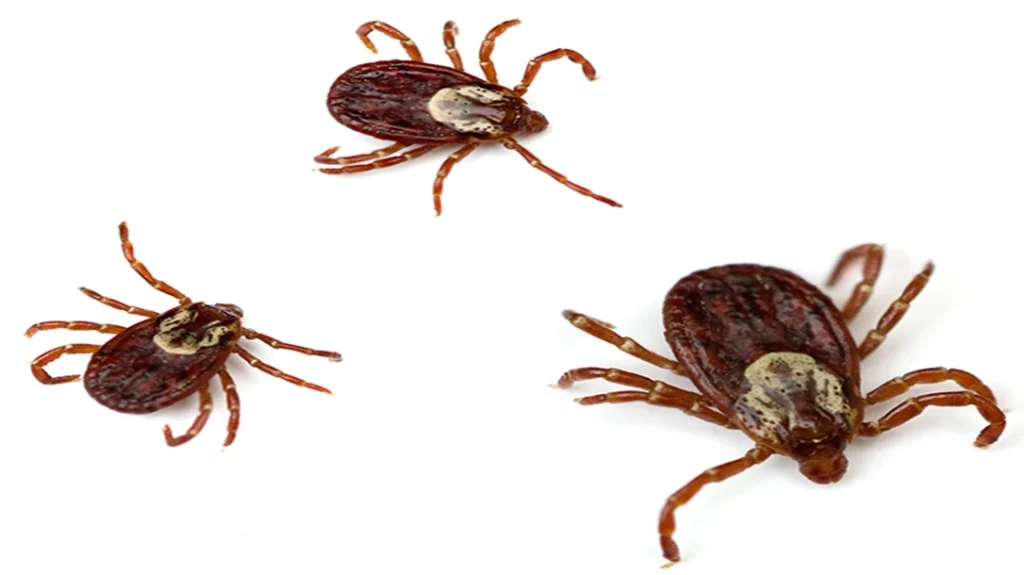
Finding a tick early greatly reduces your risk of disease transmission. Adult ticks can be difficult to spot, and immature nymphs are even smaller, often no larger than a poppy seed. Check your entire body carefully, paying close attention to behind the knees, around the waist, under the arms, around the ears, along the hairline, and between the legs. basically, think of any nook and cranny where a tick could burrow in and hide.
Advertisement — Continue Reading Below
Some areas are impossible to inspect without help, so use two mirrors or ask a hunting partner or family member to check places you can’t easily see.
Catch Them Before Disease Transmission
According to the Center For Disease Control, the general rule is that a tick must be attached for more than 24 hours before the Lyme disease bacterium can be transmitted. If you remove a tick within 24 hours, you can greatly reduce your chances of getting Lyme disease.
Advertisement — Continue Reading Below
Daily tick checks are one of the simplest and most effective preventative measures.
If you do find a tick, remove it promptly. Delaying tick removal could increase your risk of getting a disease spread through tick bites.
How to Remove a Tick Properly
Once you find an attached tick, resist the urge to yank it off. Improper removal can increase the chance of leaving mouthparts behind or forcing fluids from the tick into the bite site. Remove the tick carefully and methodically.
Advertisement — Continue Reading Below
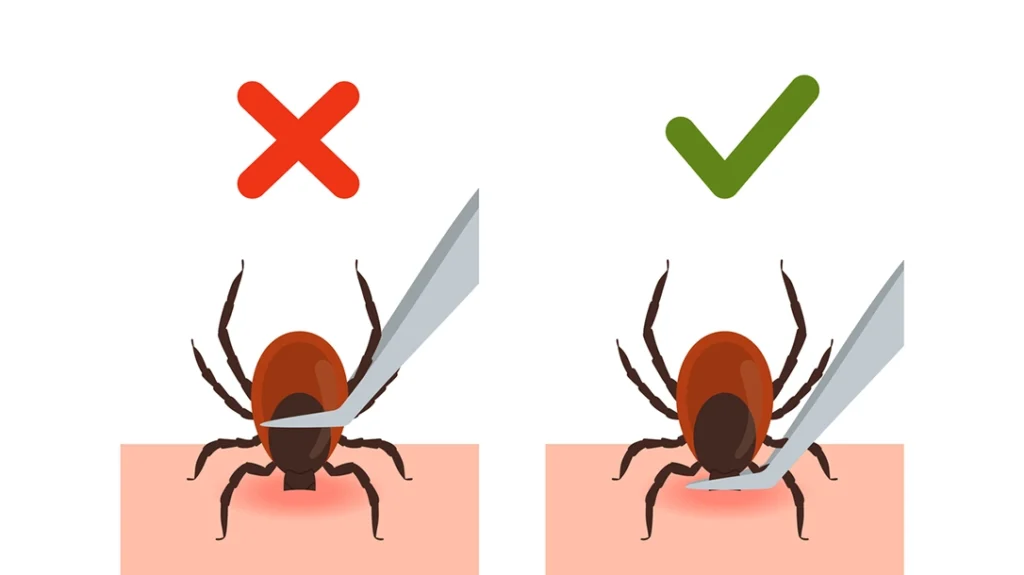
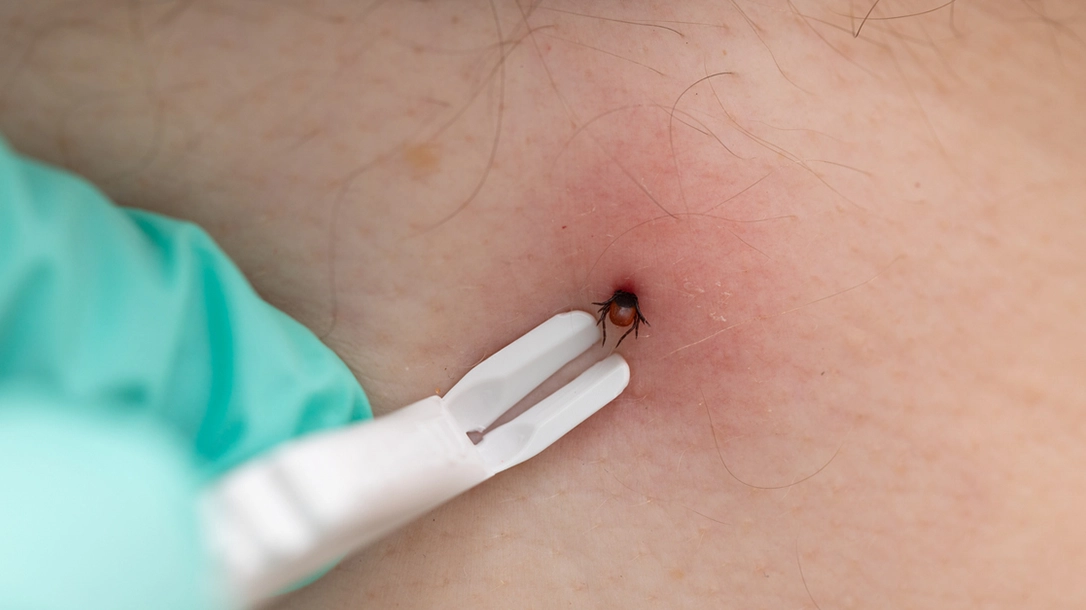
Use a pair of fine-point tweezers. Grasp the tick as close to the skin as possible, targeting the mouthparts rather than the swollen body. Pull upward using slow, steady pressure. Do not twist, jerk, or squeeze the tick.
Many outdoorsmen also carry a dedicated tick removal tool, such as a Tick Key, which slides beneath the tick and removes it from the head rather than compressing the body.
Advertisement — Continue Reading Below
The deeper the tick has embedded itself, the more patience removal may require.
If Part of the Tick Breaks Off
Occasionally, the tick’s mouthparts remain embedded in the skin. If this happens, sterilize a fine-point needle or tweezers and carefully attempt to remove the remaining pieces. If you can’t remove them easily, avoid digging excessively into the skin. Keep the area clean and monitor it closely as it heals.
Clean the Bite and Monitor It
After removing the tick, wash the area thoroughly with soap and water. Apply an antibiotic ointment. Wash your hands. Monitor the bite site over the following days and weeks.
Advertisement — Continue Reading Below
Watch for increasing redness, swelling, or the classic expanding “bull’s-eye” rash associated with Lyme disease. Many people find it helpful to photograph the bite or outline any redness with a pen to monitor whether it continues to spread.
Any fever, muscle aches, fatigue, joint pain, neurological symptoms, or other unusual illness following a tick bite should be evaluated promptly by a healthcare provider.
Should You Save the Tick?
It is a good idea to save the tick. Many laboratories offer tick identification and disease testing services, which can help determine whether the tick carried pathogens such as those responsible for Lyme disease.
While a positive test doesn’t necessarily mean you’ve been infected, the information can be valuable if symptoms develop and may help guide conversations with your healthcare provider.
Don’t Forget Your Clothing
Some of the most satisfying tick discoveries are the ones you make before they ever reach your skin.
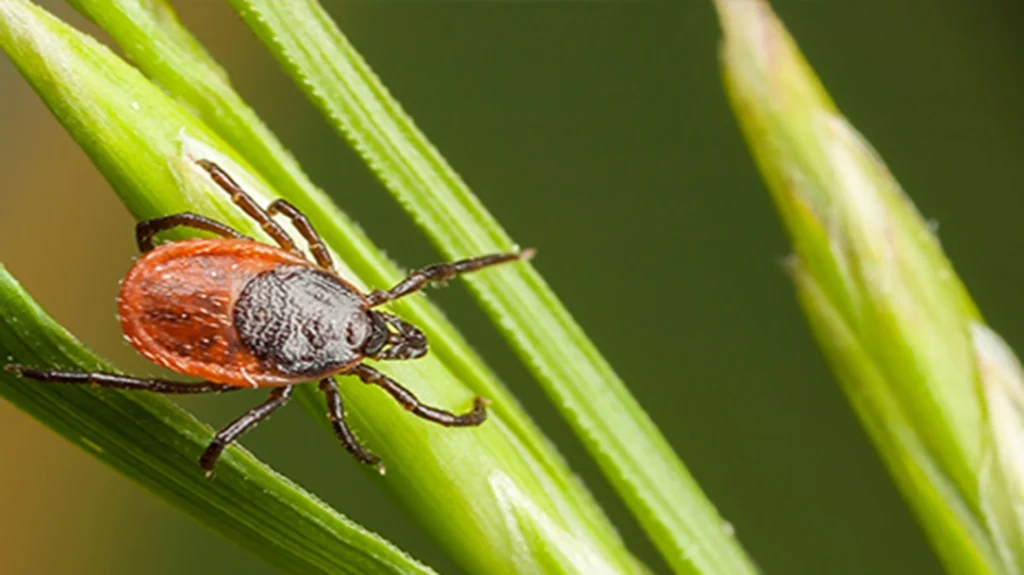
Do a thorough check before climbing into your vehicle or heading inside your home. Brush off your clothing. Inspect your boots and socks. Check backpacks, game bags, and other gear. Toss clothing into a hot dryer for at least 10 minutes to kill any hidden ticks. If you find one tick, keep looking. They might not be traveling alone.
A Small Pest With Serious Consequences
Ticks have become an unavoidable part of spending time outdoors across much of North America, but they don’t have to ruin your season.
A combination of preventive measures, daily tick checks, and proper removal techniques can dramatically reduce your risk of tick-borne illness. The few minutes you spend inspecting yourself after a day in the woods may be some of the most important time you invest all season.
WHY OUR ARTICLES/REVIEWS DO NOT HAVE AFFILIATE LINKS
Affiliate links create a financial incentive for writers to promote certain products, which can lead to biased recommendations. This blurs the line between genuine advice and marketing, reducing trust in the content.