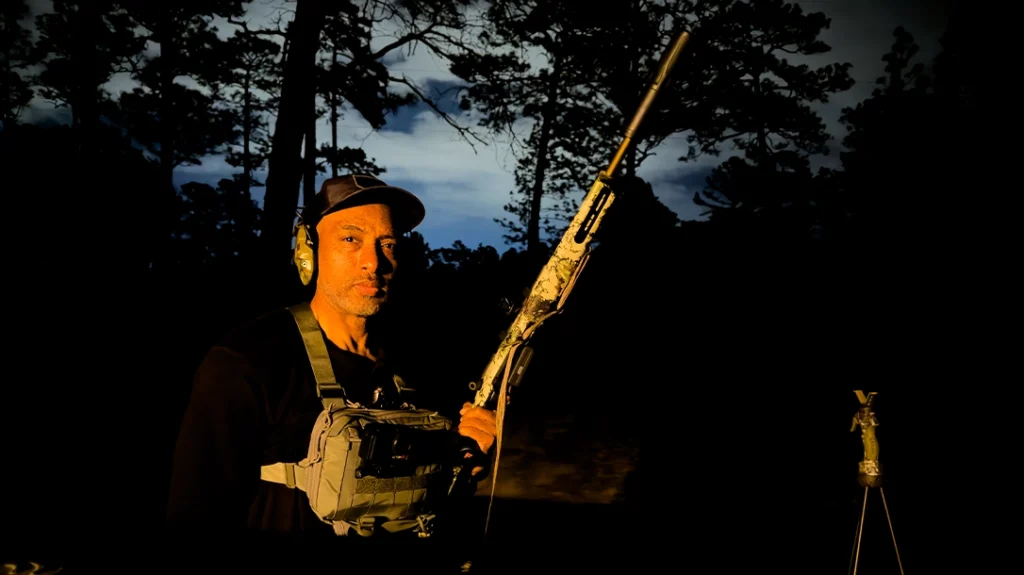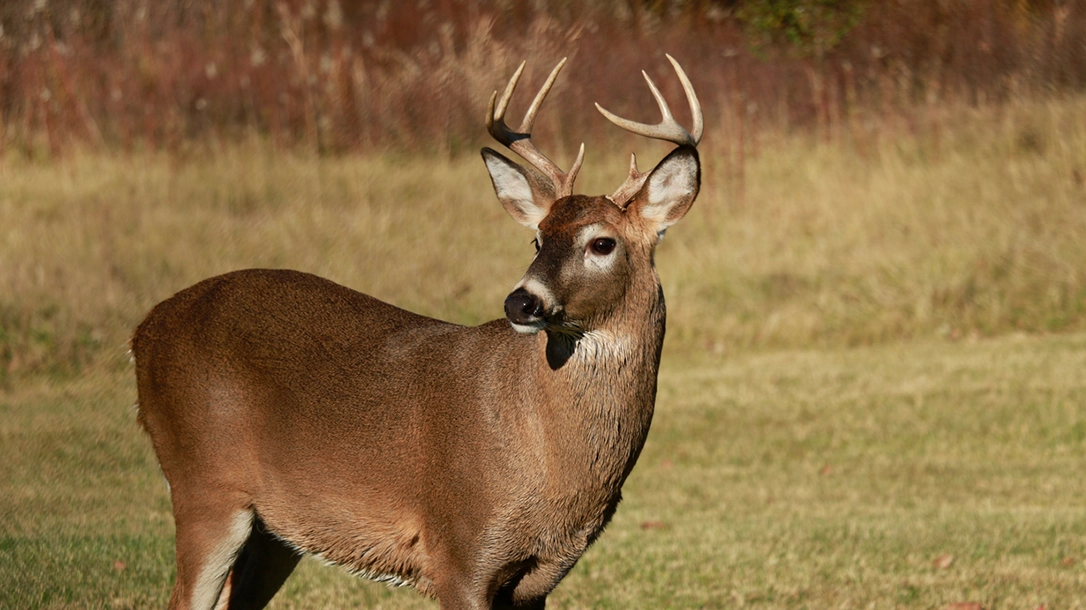
I’ve always believed deer season never really ends. It simply shifts into the next phase of whitetail preparation. While many hunters wait until September to dust off their gear, hang stands, and check trail cameras, I believe some of the most important work happens months earlier. For me, deer season really starts gaining momentum in July.
That doesn’t mean I’m stomping through the woods every weekend or putting unnecessary pressure on every corner of a property. Instead, July is about getting ahead of the game. It’s the time to handle the small but important tasks that allow me to hunt with confidence when opening day finally arrives. Bucks are still following predictable feed-to-bed patterns, summer food sources are easy to monitor, and hunting pressure is practically nonexistent. If you can learn those patterns without disturbing them, you’ll have a much better understanding of how deer are using the property before the season begins.
Advertisement — Continue Reading Below
Early-season whitetail hunting can offer some of the best opportunities of the year, but it’s also one of the easiest times to make costly mistakes. A careless walk through a bedding area, an unnecessary trail camera check, or a last-minute stand adjustment can alter how a mature buck uses a property long before you ever climb into a tree. That’s why I’d rather sweat through July doing my whitetail preparation than spend October wondering what I should have done differently.
Trail Cam Tactics
Trail cameras are one of the best tools we have, but they can also hurt you if you are not careful. I think a lot of hunters get too caught up in getting pictures and forget about what it takes to get those pictures. Every time you walk in, it cost you something. You are leaving scent, making noise, disturbing the area, and educating deer.
In July, I like to get cameras set where they can give me useful information without forcing me to invade the best cover. Field edges, logging roads, creek crossings, mock scrapes, and travel routes going to summer food sources are all good places to start. I want to know which bucks are using the farm, what time they are showing up, and what direction they are coming from.
Advertisement — Continue Reading Below
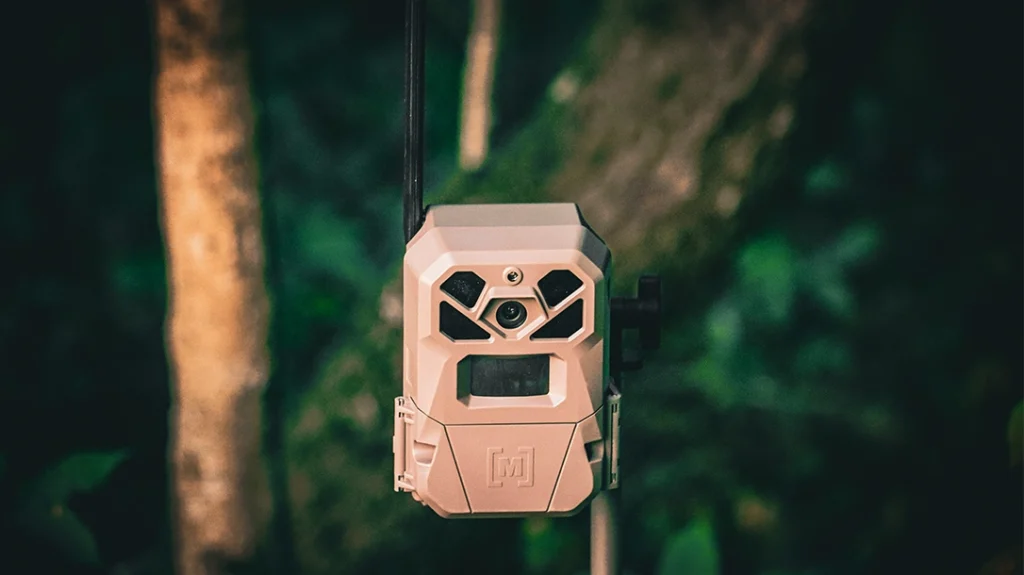
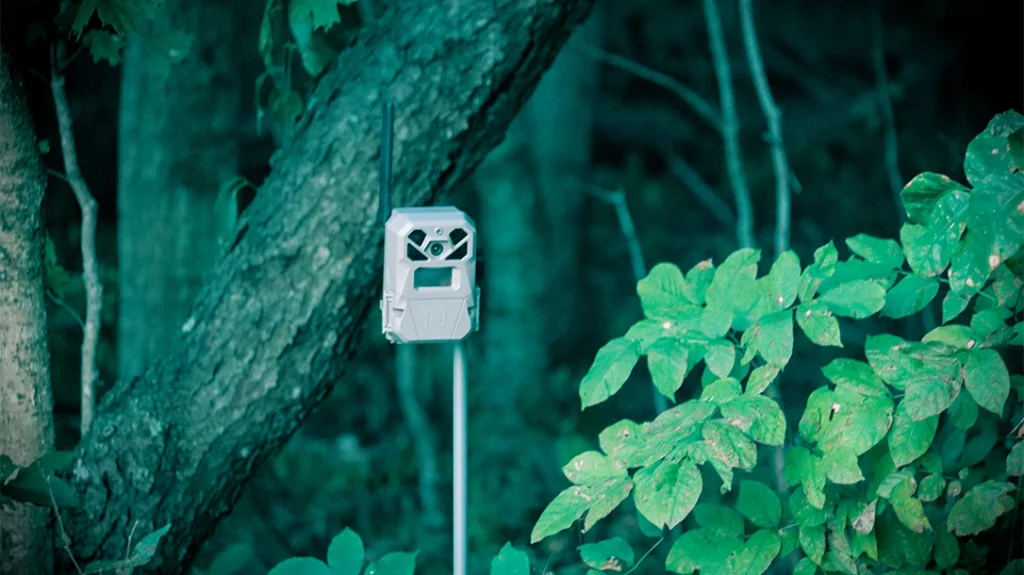
Cell cameras are a big help because they keep you out of the area. If I am using regular SD cameras, I try to check them only when I already have a reason to be there. Maybe I am trimming lanes, spraying around a camera, or checking a stand location. I would rather make one trip count than keep walking in every few days just because I am curious.
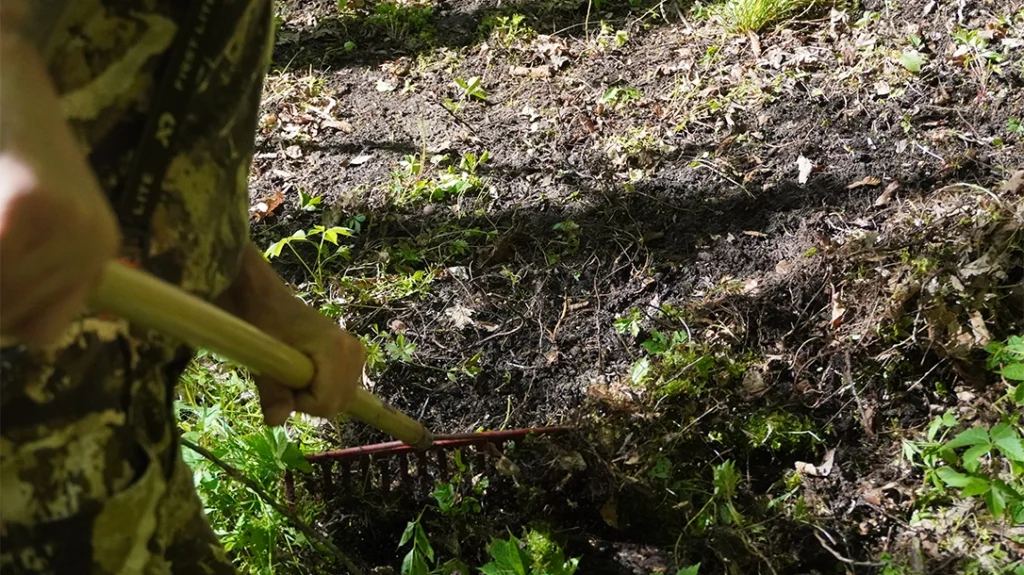
I also like to clear weeds in front of cameras during the summer. It saves a lot of false pictures when the wind starts moving grass and limbs around. Little things like that may not seem like much, but they keep cameras working the way they should without draining the batteries.
Advertisement — Continue Reading Below
Glassing From a Distance
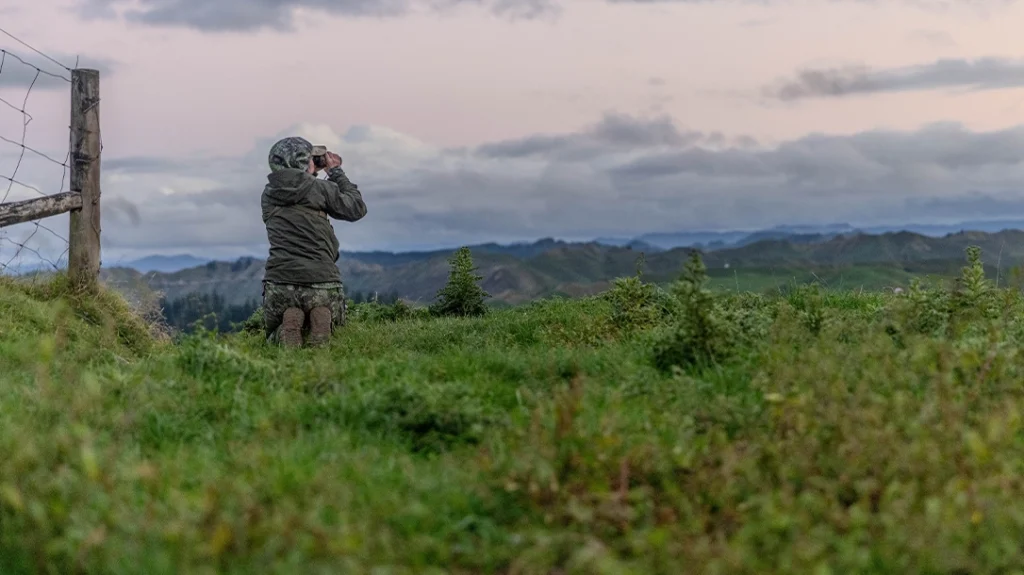
Some of the best scouting you can do in July is from a long way off. A lot of times, we feel like we need to be walking a property to learn it. There is a time for that, in late winter or spring shed hunting. Summer is the time to sit back, glass, and let deer show you what they are doing.
I like using Vortex binoculars in the evenings to watch bean fields, hay fields, food plots, and natural openings. A good pair of binoculars lets you pick apart a field edge without getting too close. You can watch where deer enter, which trails they prefer, and how bucks interact with each other.
Advertisement — Continue Reading Below
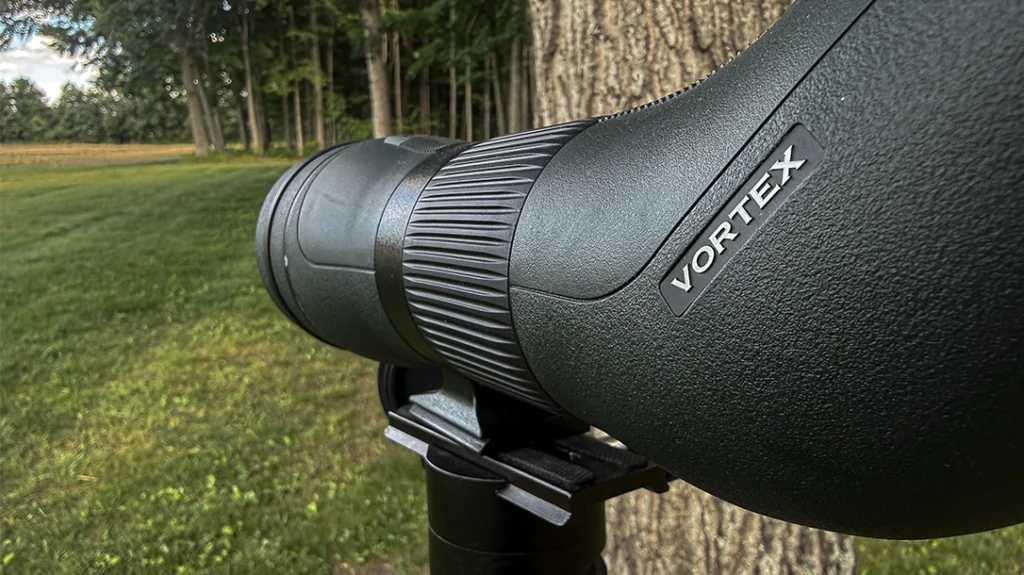
A Vortex spotting scope is even better when you are watching larger fields or trying to look over deer from a long distance. During July, bucks are usually still in bachelor groups, and a spotting scope can help you identify which bucks are worth paying attention to without pushing them.
The biggest thing with glassing is discipline. Do not get greedy. If you can see deer from the road, a field entrance, or another safe distance, stay there. You do not need to walk over and look at every trail they came out of. Let them stay comfortable. The more normal they feel in July and August, the better chance you have of catching them making a mistake in September.
Getting Permission
July whitetail preparation also includes getting hunting permission. By the time fall gets close, landowners are getting asked by everyone. Some hunters wait until the week before season and then wonder why the answer is no. I like asking earlier because it shows I am not just trying to show up at the last second and kill a deer. It also gives me time to build a relationship. Sometimes that means offering to help clean up trash, move limbs out of a field, check on a property, or just have a normal conversation without making it all about hunting.
Advertisement — Continue Reading Below
Not every yes turns into a big buck property, but every new place gives you another option. Sometimes a small piece that nobody thinks much about can be the perfect early-season setup. A little woodlot, creek bottom, field corner, or brushy draw can hold deer if the pressure is low.
Getting permission early also gives you time to scout the right way. You can hang a camera, glass from a distance, and figure out access before the season is right on top of you. That alone can make the difference between having a plan and just hoping something walks by.
Tree Stand and Blind Prep
This is probably one of the biggest reasons early-season success starts in July. I do not like hanging stands right before season unless I absolutely have to. There is too much noise, too much scent, and too much pressure when deer are starting to shift into their fall patterns.
Advertisement — Continue Reading Below
In July, I want stands hung and blind locations picked out and prepped. I want shooting lanes trimmed, straps checked, seats looked over, ladders tightened, and access routes cleaned up. If I am using a ground blind, I want the location picked out, the understory cleared away and sprayed if needed, shooting lanes trimmed, and a plan for brushing it in. All I want to have to do in august is slide in pop up the blind and brush it in.
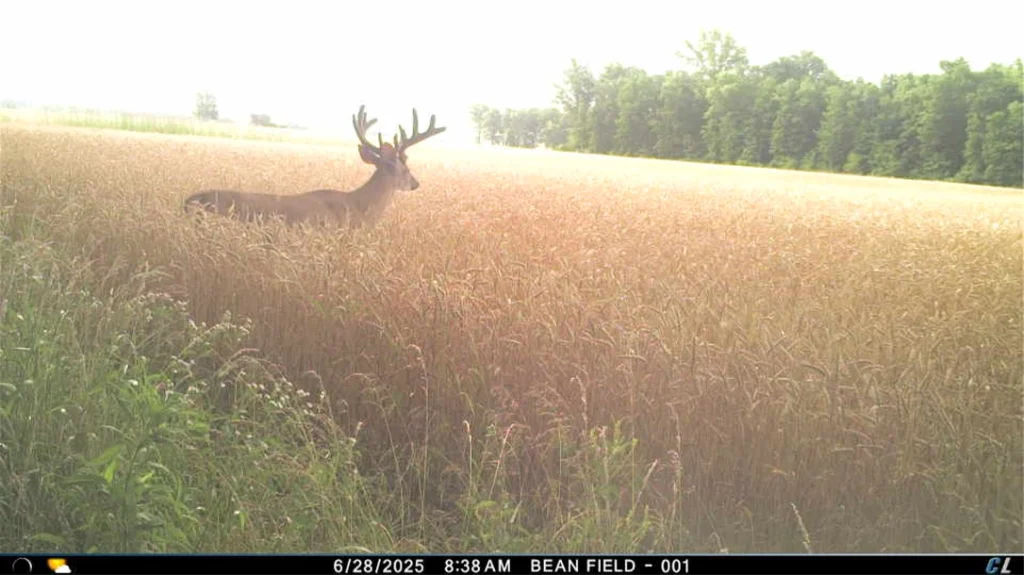
I also like to think through entry and exit routes before season. A stand may look great on a map, but if I cannot get in and out without bumping deer, it is not going to hunt as well as I hoped. July gives you time to look at those details before there is pressure to make it work. Sometimes I will hang a stand and then realize it needs moved 20 yards after watching deer from a distance. That is another reason to do whitetail preparation early. You still have time to adjust without blowing up the area right before opener.
Mock Scrapes
Mock scrapes are not just an October thing. Deer use licking branches a lot earlier than many hunters realize, and July is a good time to get those locations started. I like placing mock scrapes in areas deer already travel. Field edges, inside corners, logging roads, and trails between bedding and food are all good options. The key is making it look natural. A good overhanging branch, vine, or hemp rope is more important than anything. If the branch is right, deer will often start using it.
A mock scrape can also be a perfect camera location. Instead of guessing which trail a buck may use, you are giving deer a focal point. Bucks, does, and younger deer will all stop and work that branch. Over time, that scrape can become one of the best inventory spots on the property. I do not want to overwork these areas. Get the scrape started, put a camera on it if it makes sense, and then back out. The less you mess with it, the better.
Preparation Builds Confidence
There is no guarantee in deer hunting. You can do everything right and still have a buck show up after dark or change patterns overnight. That is just part of hunting. But whitetail preparation gives you confidence. When opening day arrives, I want to know my stands are ready, my blinds are brushed in, my cameras have been working, and I have watched deer enough to know I am not just guessing. I want to slip in quietly with a wind I trust and hunt a setup that has already been thought through.
That confidence matters. It keeps you from bouncing around too much. It keeps you from second-guessing every sit. It lets you hunt smarter because the work has already been done. July may not feel like deer season to everyone. It is hot, buggy, and there are plenty of other things going on. But the hunters who prep early are usually the ones who are ready when the first cool evening shows up.
Early-season success does not start in the stand. Whitetail preparation starts months before, when nobody else is paying attention.
WHY OUR ARTICLES/REVIEWS DO NOT HAVE AFFILIATE LINKS
Affiliate links create a financial incentive for writers to promote certain products, which can lead to biased recommendations. This blurs the line between genuine advice and marketing, reducing trust in the content.