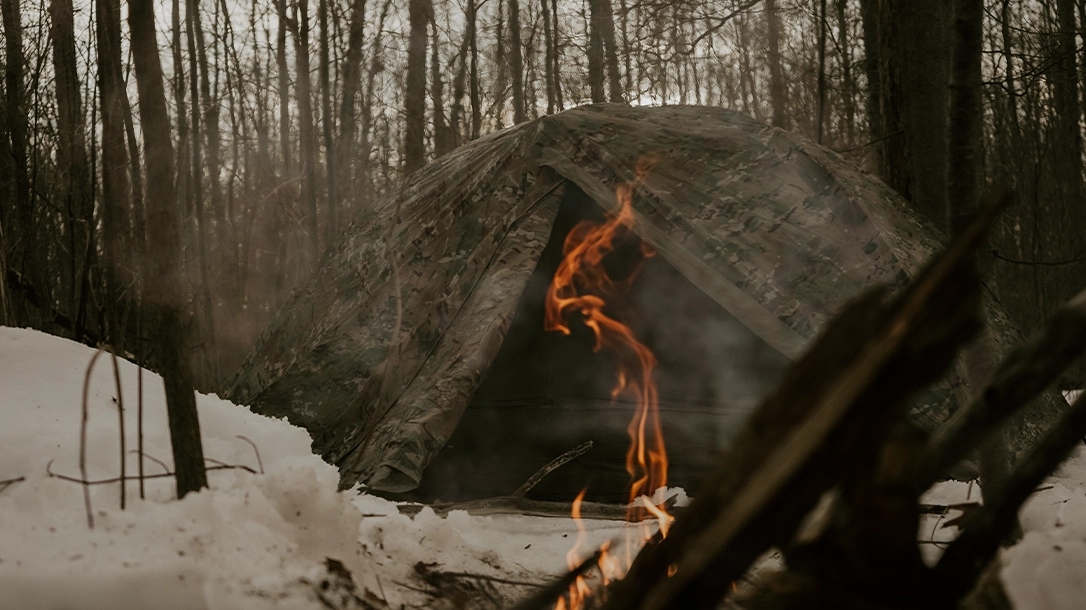
The evolution of a survivalist usually begins at an hour most civilized people reserve for REM sleep. It is typically 2:00 AM, the blue light of a television is the only thing illuminating your living room, and you have just concluded a twelve-hour cinematic odyssey through various fictional end-of-the-world scenarios.
In that quiet, vulnerable moment, you find yourself staring at your spice rack, gripped by a sudden, frantic urge to determine the current market exchange rate of smoked paprika for twelve-gauge shotgun shells. We have all experienced that specific existential spiral—the moment the proverbial fan is met with debris and you begin an internal audit of your survival utility. It is a sobering realization when you discover your primary contribution to a post-apocalyptic society is the ability to navigate a food delivery app with elite speed.
The Ohio Tundra Field Test
Being a person of relative sanity, I responded to this epiphany by creating a list. My findings were bleak. My technical skills were non-existent, my equipment was laughably minimal, and my ambitions were bordering on the delusional. To rectify this discrepancy between my current state and my desire to not perish in the first forty-eight hours of a global collapse, I decided to test my mettle in the ultimate proving ground: a mid-winter expedition in Ohio. For those unfamiliar with the region, an Ohio winter consists of daylight hours that feel like a personal insult and nighttime temperatures that make you question if your eyeballs are structurally capable of freezing shut.
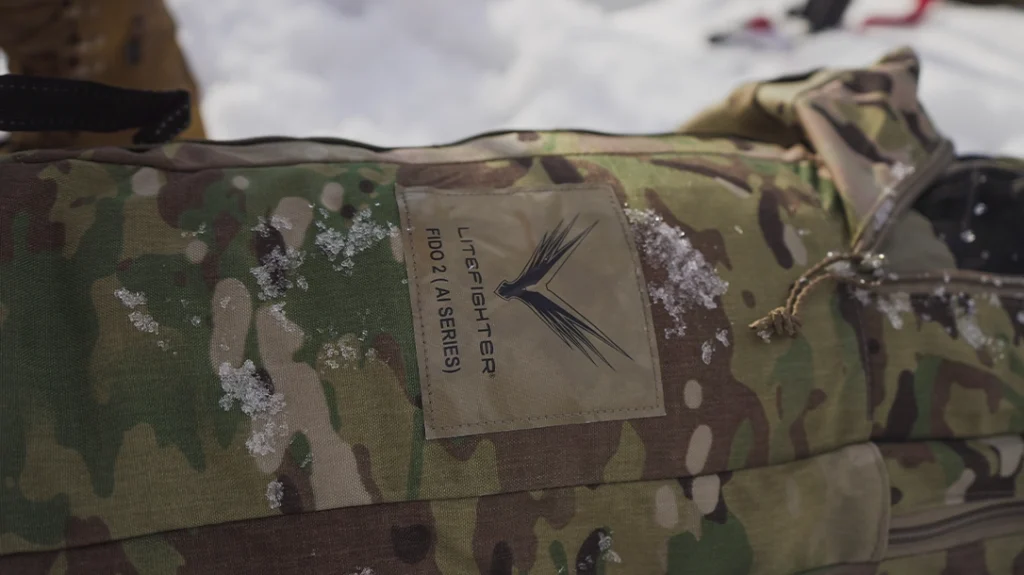
The mission parameters were stringent. I required a shelter that was light enough for a solo trek, rugged enough to withstand a literal blizzard, and aesthetically pleasing enough to earn a nod of silent professional respect from the various intelligence agencies likely monitoring my search history. This exhaustive search eventually led me to the digital doorstep of LiteFighter Gear.
Advertisement — Continue Reading Below
Decoding the All-In Ecosystem
After sifting through various tactical options, I centered my focus on the FIDO 2 AI. In a modern landscape where every second product claims to be powered by artificial intelligence, it was a refreshing change of pace to learn that in this context, AI simply stands for All-In. This is not merely a tent; it is a comprehensive, modular survival ecosystem designed for those who prefer their gear to work harder than they do.
To understand the value of this system, one must look at the inventory. Most outdoor companies treat their customers like a high-end European car dealership, nickel-and-diming you for features that should be standard. The guys at LiteFighter Gear reject this philosophy. When you purchase the All-In kit, you receive a meticulously curated package that includes:
- The FIDO 2 Tent Body
- The Multicam Rainfly, ideal for blending into the timber or simply avoiding a conversation with an overzealous neighbor. (the rainfly is also offered in Delta Green, Tan, and Woodland)
- A dedicated Waterproof Ground Sheet
- The Cold Weather Kit, which features a specialized windbreaker and four snow or sand parachute stakes
- An All-in-One Aluminum Press fit Pole Set
- A package of six ground stakes
- A Waterproof Tuff Sack, designed to contain the entire system with minimal struggle
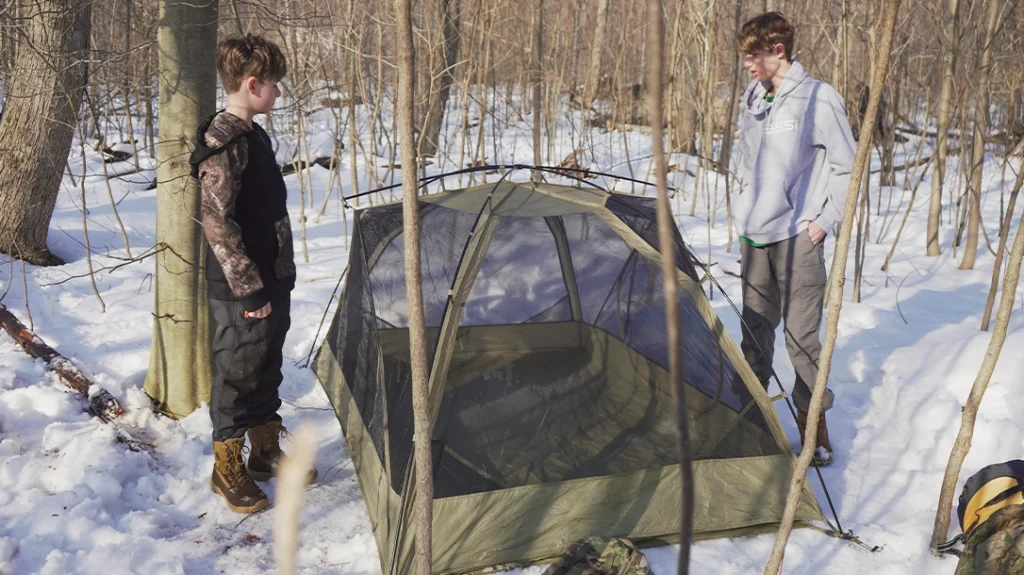
The entire assembly weighs in at under six pounds. I anticipate the skepticism: how does one carry nearly six pounds while sprinting away from a theoretical horde of the undead? The answer is simple. I have children, and children are essentially just highly emotional, unpaid pack mules with better knees than mine. However, even for those without a staff of subcontracted labor, a 5.9-pound total weight for a genuine two-person, four-season shelter is a triumph of engineering and mobility.
Engineering for the Human Burrito
Setting up a traditional tent is often a Shakespearean tragedy. It usually involves missing plastic connectors, instructions written in a language that does not exist on this continent, and fiberglass poles that seem to possess a malevolent sentient will. The FIDO 2 AI bypasses this drama using a single-piece hub system. It utilizes a central aluminum hub with six poles radiating outward like a piece of high-tech arachnid architecture.
Advertisement — Continue Reading Below
During our field test, in temperatures that would make a polar bear reconsider its life choices and buried in two feet of snow, my children and I had the structure fully erect in under ten minutes. Speed is not just a luxury; it is a survival requirement. In a high-stakes scenario, every minute spent fumbling with a tent pole is a minute a predator or a competitor has to realize you are essentially a human burrito waiting to be unwrapped.
The genius of the FIDO 2 AI lies in its versatility. It is a true four-season tent, which is a claim many manufacturers make but few actually substantiate. The inclusion of the waterproof ground sheet in the standard kit is a significant detail. Often, a consumer is forced to purchase a third-party tarp from a big-box retailer that is either the size of a postage stamp or large enough to cover a small aircraft. Having a ground sheet tailored to the tent’s footprint is essential, as it serves as the primary moisture barrier between the frozen earth and your sleeping bag.
The Science of Not Freezing
Furthermore, the multicam rainfly ensures that rain and ambient moisture remain strictly external. But the real MVP of the cold-weather experience is the windbreaker included in the kit. This component acts as an additional thermal barrier between the tent body and the rainfly. It covers the mesh portions of the inner tent to prevent heat loss while still allowing the system to breathe. This is a critical distinction. If you have ever spent a night in a cheap, non-breathable tent, you have likely experienced the phenomenon of indoor rain—where your own breath condenses on the ceiling and drips back down as a freezing mist. The FIDO 2 AI manages airflow with surgical precision, trapping heat while allowing moisture to escape. We stayed dry, we stayed warm, and most importantly, we stayed civil.
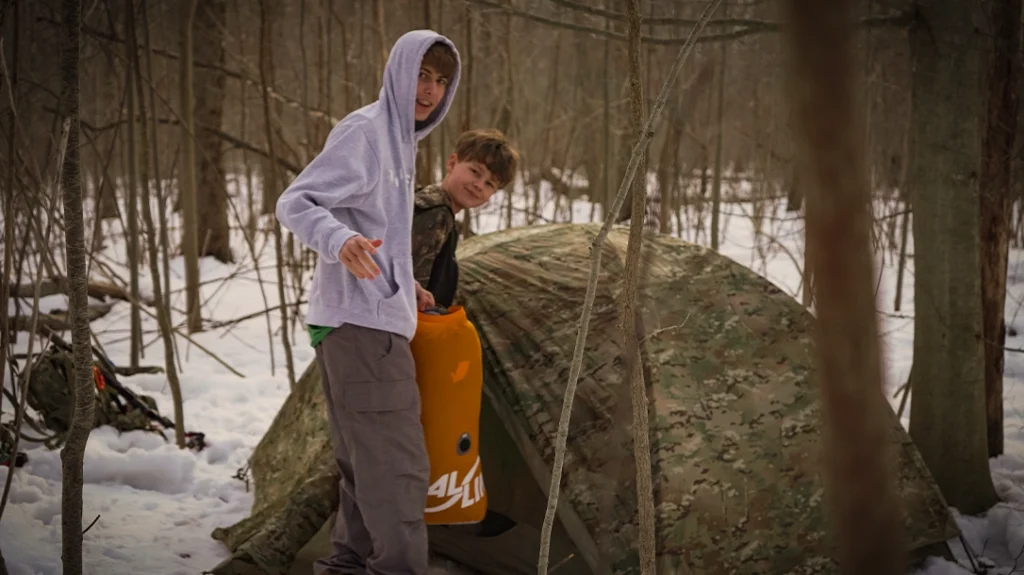
I should offer a professional tip regarding survival dynamics: if the zombies—or any other unspecified threat—do eventually catch up to your campsite, remember the golden rule of the outdoors. You do not necessarily have to be faster than the threat; you simply have to be faster than the person in the sleeping bag next to you. I told my children this was a joke, though the speed with which they now pack their gear suggests they may not have fully believed me.
Advertisement — Continue Reading Below
A Legacy of Tactical Comfort
When the sun finally dipped below the horizon in the Ohio tundra, the mercury plummeted toward zero. I crawled into the FIDO 2 with the child who had lost the nightly round of rock-paper-scissors—because democracy must be maintained even in the wilderness—and prepared for a miserable night. To my genuine surprise, the misery never arrived. The tent remained remarkably insulated.
Whether you are legitimately preparing for a societal reset or you simply want to take your family into the woods without suffering a gear-induced cardiac arrest, the FIDO 2 AI represents the gold standard. It is a tactical-grade investment built to be passed down as a legacy item. It is light, it is exceptionally rugged, and the Multicam finish provides a level of visual appeal that makes you feel significantly more prepared than you probably are.
The takeaway is clear: do not wait for the sirens to begin their mournful wail before you evaluate your equipment. When the world eventually decides to take a turn for the chaotic, you do not want to be the individual struggling with a blue tarp and a roll of duct tape while the rest of us are comfortably ensconced in our all-in shelters.
WHY OUR ARTICLES/REVIEWS DO NOT HAVE AFFILIATE LINKS
Affiliate links create a financial incentive for writers to promote certain products, which can lead to biased recommendations. This blurs the line between genuine advice and marketing, reducing trust in the content.
Advertisement — Continue Reading Below