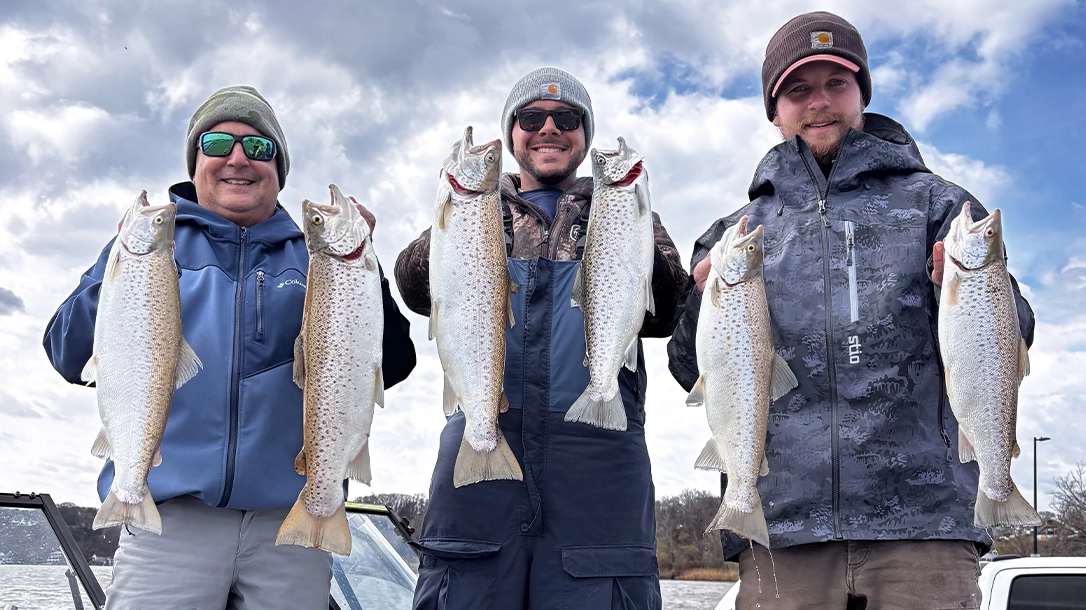
As we crested the harbor into the cold icy waters of Lake Ontario, my good buddy Porter was grinning ear to ear, as this is his favorite time to fish the big water. “We’re gonna catch em’ today” he said. Not soon after setting our six lines out, two rods went off and the game was on!
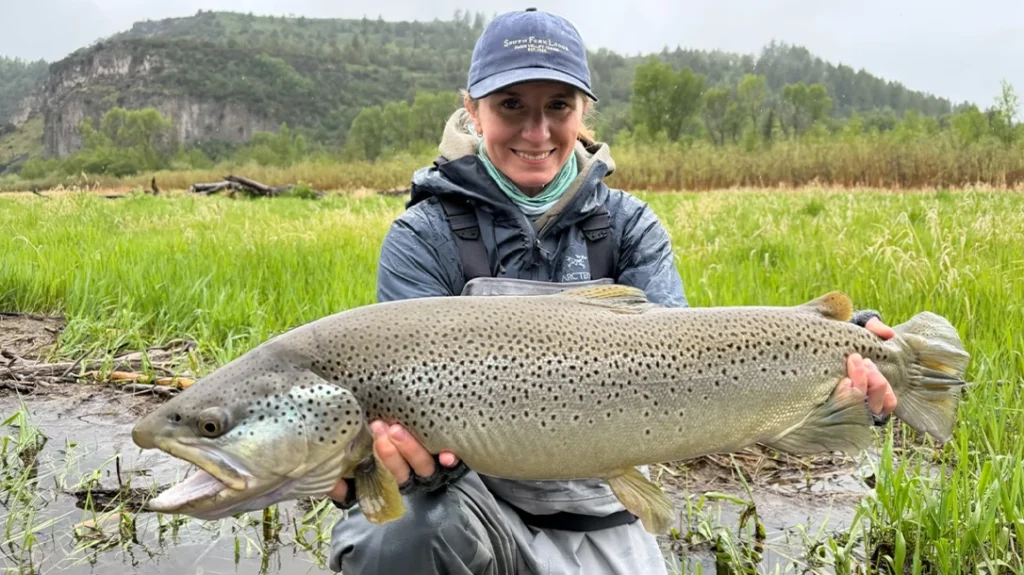
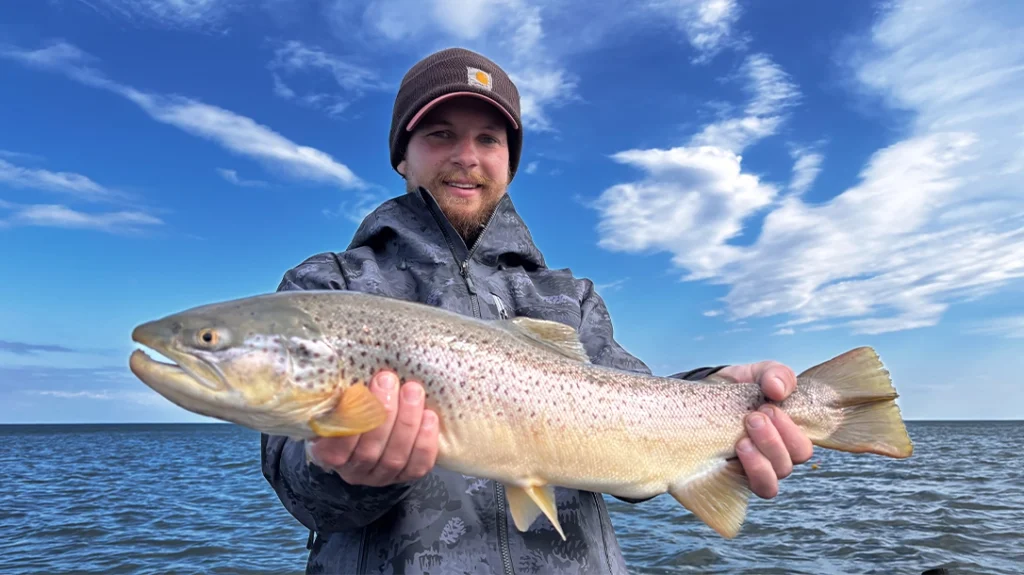
Between the drag screaming and trout acrobatics, it was quite the show before getting them in the net. As I scooped up a beautiful pair of solid five to six pound great lakes brown trout, I looked up and noticed not a single boat around! About as perfect as it gets when it comes to spring time fishing.
Spring on the Great Lakes is a season that every serious trout angler circles on the calendar. After a long winter, when ice finally loosens its grip and the shorelines begin to breathe again, brown trout slide into predictable zones close to shore. For a few short weeks, opportunity outweighs effort in a way that’s hard to beat anywhere else in freshwater fishing. Both shore and boat anglers can find themselves in some lock and load fishing if they time it right. It’s truly one of spring’s greatest hidden Great Lakes treasures.
Advertisement — Continue Reading Below
The Spring Transition: Why It Works
What makes spring so special for Great Lakes brown trout comes down to temperature, food, and positioning. Browns are a coldwater species, but they’re not fans of the icy, near-freezing conditions of winter. As soon as the shallows begin creeping into the upper 30 degree temperature, they push toward shorelines, river mouths, and stained water where temperatures warm the fastest.
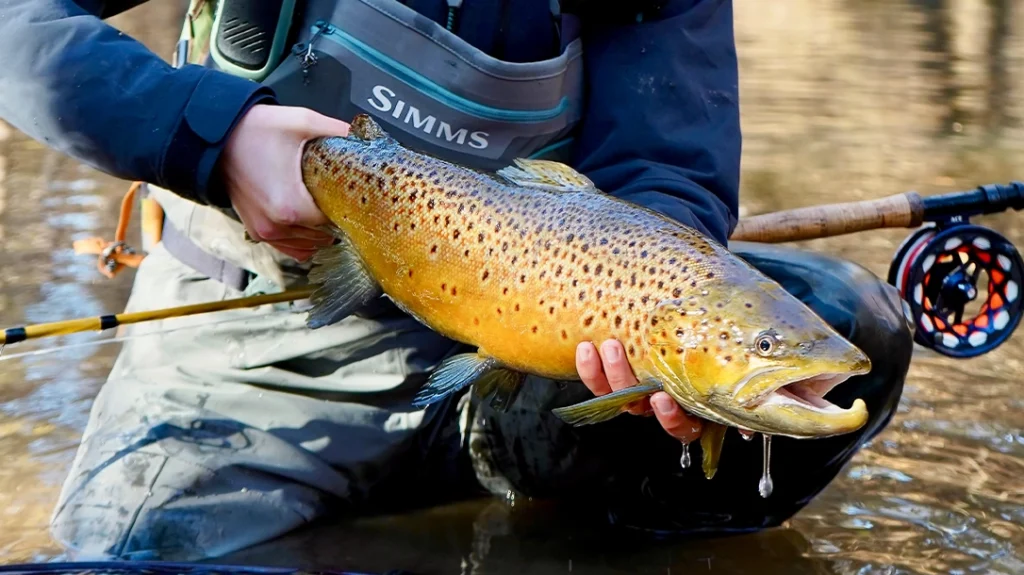
This movement isn’t random. It’s driven by bait. Alewives, smelt, gobies, and even small perch start to congregate in these same zones. Add in runoff from spring rains, often carrying nutrients, sediment, and other forage rushing into the lake, and you get a perfect storm of conditions that pulls brown trout into tight, accessible water. Whether your shore bound, trolling in a boat, or walking the banks of a tributary, this is the time to chase these hard fighting trout.
Advertisement — Continue Reading Below
Reading The Water
If there’s one skill that separates consistent anglers from the rest, it’s the ability to read water color. You’re not looking for gin-clear conditions. In fact, clear water can make things tougher. Browns in the spring love “just right” stained water, which is typically that greenish or light chocolate milk color where visibility is around one to three feet.
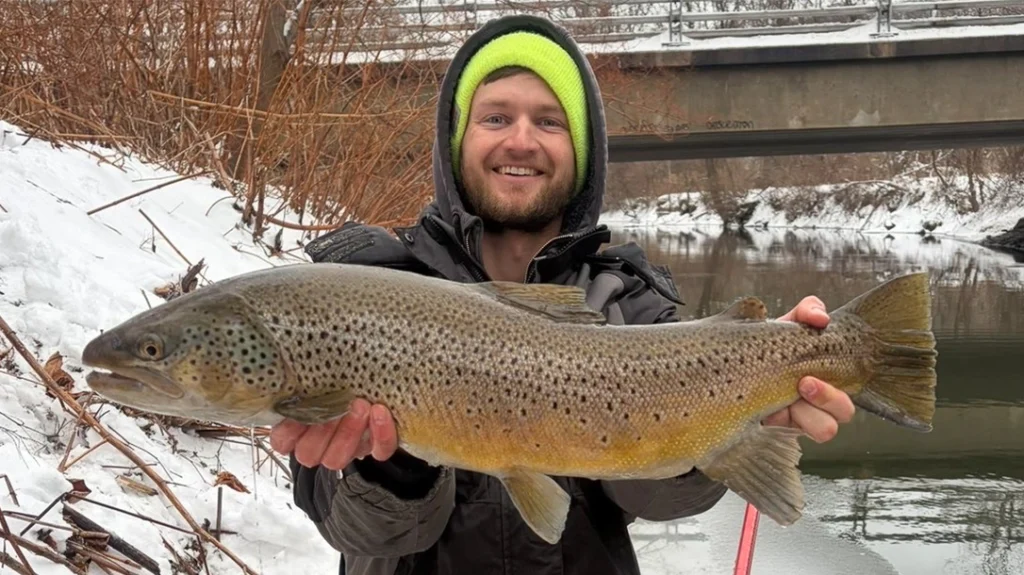
Transition areas between the clean and dirty water are also great to fish around. The trout use these mudlines as ambush points and can be great places to get a bite. River plumes are prime targets as well. Anywhere a tributary dumps into the lake creates a mixing zone where warmer, dirty water meets colder, clearer lake water. Browns will often cruise the edges of these seams, picking off bait that gets pushed around in the current.
Advertisement — Continue Reading Below
Wind plays a role too. A light onshore wind stacks warmer surface water and can concentrate baitfish along the shoreline. Too much wind muddies everything out, but a moderate chop can turn a slow day into a banner one. Pay attention to wind directions as well on these bigger waters. When a wind switches and picks up in the wrong direction, it can get dangerous in a hurry. The water is cold this time of year, always take precaution.
Shore Fishing: Simple & Effective
One of the best parts about this style of fishing is how accessible it is. You don’t need a big boat or fancy electronics. A decent spinning rod, a handful of proven lures, and mobility will put you in the game. Even fly anglers can get in on this action from shore opening up new elements to get bit.
Casting parallel to the shoreline is a common mistake as many anglers overlook it. Browns often cruise within a rod-length or two of shore, especially in low light. Instead of bombing casts straight out, work your lures along the bank, covering water methodically. Along the shorelines of these lakes are large boulders and debris that the big browns like to hide around. The best fishing isn’t always casting in front of you.
Advertisement — Continue Reading Below
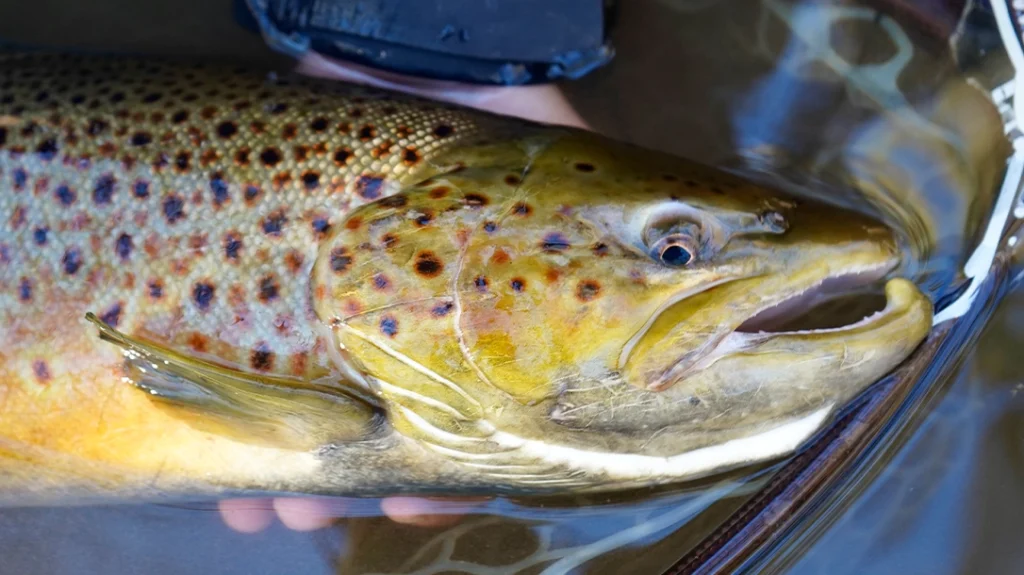
Stickbaits are king in the spring. Floating or shallow-diving minnow baits in natural colors, like black/silver, gold/black, or brown trout patterns, imitate the forage perfectly. Slow retrieves with occasional pauses trigger strikes, especially in colder water. Baits like a Rapala Husky Jerk or a Yozuri Pin Minnow are my go-to baits.
When the water is murky, running bright patterns like a hot craw or firetiger will make the bait more visible and trigger more bites. Spoons also shine, particularly in stained conditions where flash helps fish locate your bait. A steady retrieve with a slight wobble is all you need, but you can also vary retrieve speeds with a fast, slow and even pausing the spoon to let it fall.
Advertisement — Continue Reading Below
Fly anglers can also get in on the action. This is the time of year where these aggressive browns will actively chase streamers for some pretty aggressive strikes. You wouldn’t normally think of fly fishing from shore on big water, but it can be truly deadly.
Boat Tactics: Covering Water
If you have access to a boat, spring opens up even more opportunities. Trolling is the dominant approach, and for good reason, it allows you to cover water and locate active fish quickly. Flatlining stickbaits behind the boat is a staple technique. Long leads, sometimes 100 feet or more, keep your presentation stealthy in shallow water. Planer boards can spread lines out and increase your coverage, especially when fish are scattered. We generally like to run four to six lines depending upon how the bite is and if we want to deal with a lot of tangles with so many fish biting.
Advertisement — Continue Reading Below
Speed matters. Early in the season, slower is usually better. Think one and a half to two miles per hour as a starting point, adjusting based on water temperature and fish activity. If you’re not getting bit, change something—speed, lure color, or depth. When the water warms up, generally faster is better, but nothing more than three miles an hour
As the season progresses and water warms, you can begin incorporating small spoons or even light-weighted presentations to reach slightly deeper fish, but early on, most of your bites will come in less than 15 feet of water.
Timing is Everything
Spring brown trout fishing is as much about timing as it is technique. The best bite windows often come during low light, with early mornings and late afternoons into dusk can be your best bite. Cloud cover can extend these periods, while bright, calm days can make fish more cautious.
Pay attention to weather patterns. A warm rain that bumps up water temperature and adds a little color can ignite the bite overnight. Conversely, a cold snap or heavy runoff that muddies everything out can shut things down just as quickly as it heats up. Always watch the weather to give yourself the best advantage
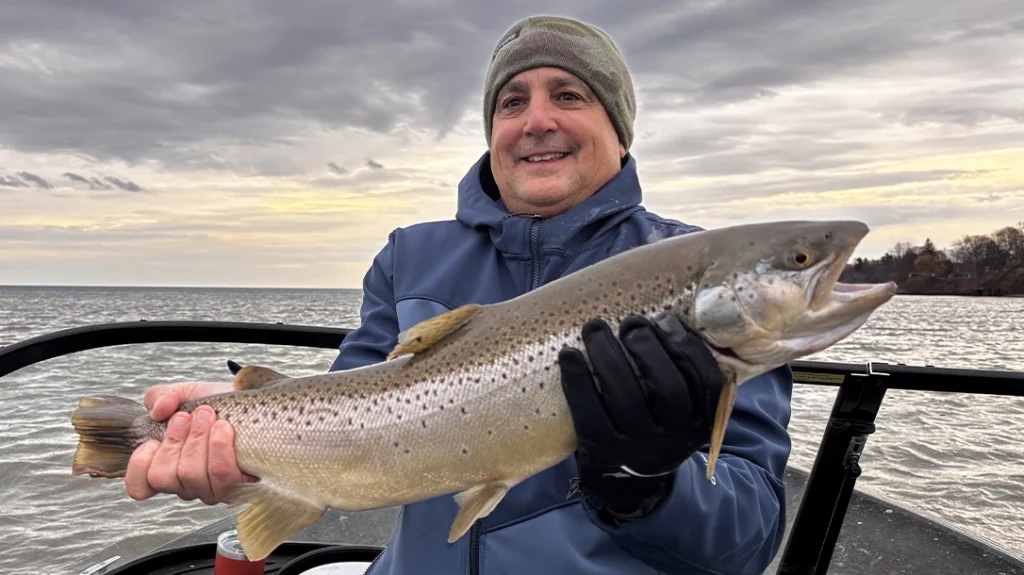
Consistency comes from adapting. The anglers who do best are the ones willing to move, experiment, and adjust to changing conditions rather than forcing a single approach. If you notice something isn’t getting bit, switch things up. Let the fish tell you what they want and how they want it.
Gear Considerations
You don’t need anything overly complicated, but a few details make a difference. Medium-light rods with large arbor, smooth drag spinning reels help handle the surging runs of a good brown trout. These fish are notorious for sudden bursts, especially boatside or near shore. Browns have more power than you think.
Line choice matters too. I prefer to run braid with a long eight pound test fluorocarbon leader for sensitivity. The braid allows me to cast further and the long leader prevents the fish from getting line shy. You could also use straight mono or fluoro, it’s more about confidence and execution.
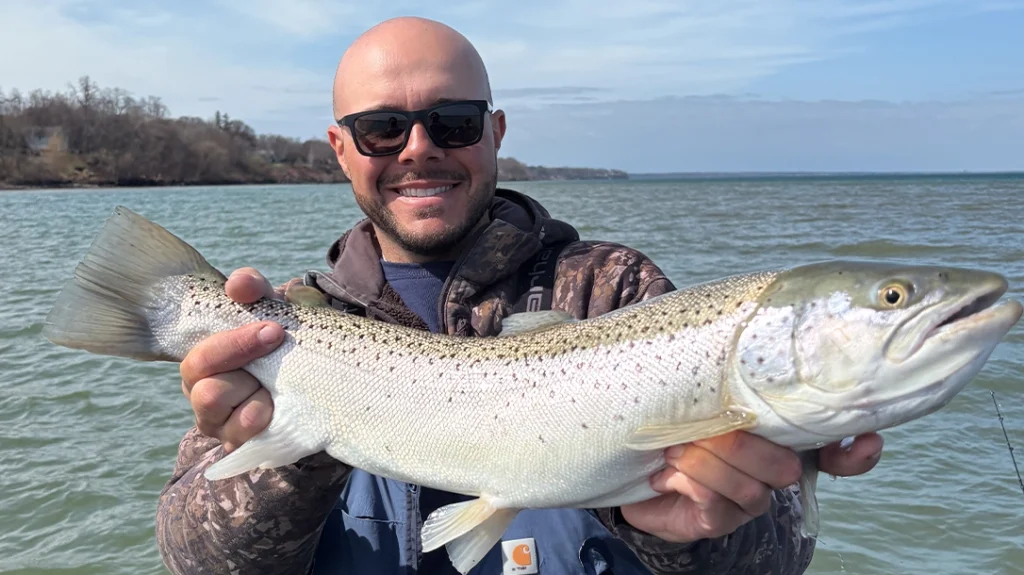
Trolling rods can range from seven and a half to eight and a half feet just to help spread your lines out a bit. We mainly run size 15 or 20 line counter reels spooled with 15 to 20 pound monofilament with a long fluorocarbon leader in the same pound test. Usually we are running smaller Offshore Tackle Inline Planer Boards with stickbaits or spoons.
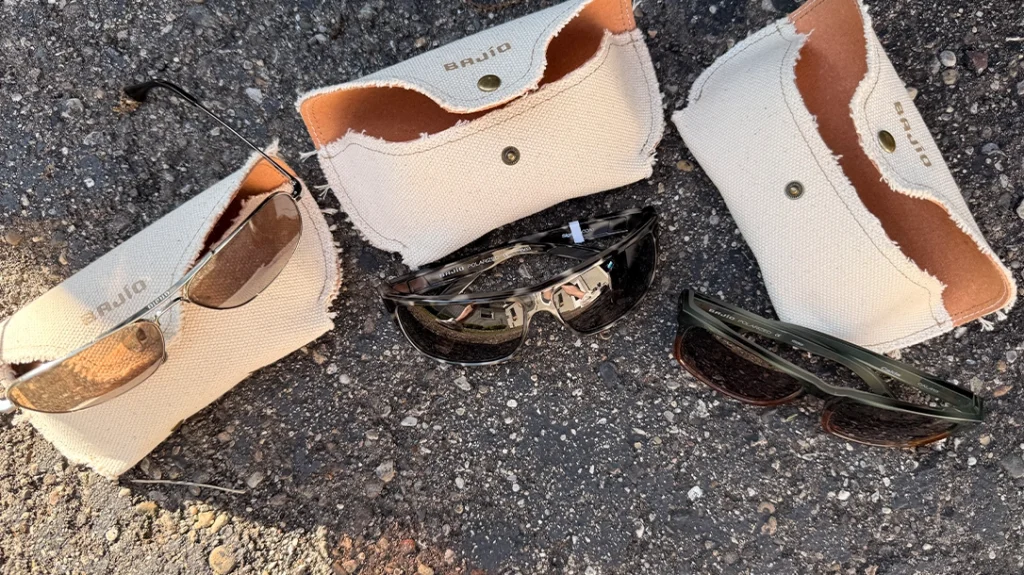
Polarized sunglasses are underrated but critical. Being able to see water color transitions, structure, and even cruising fish can give you a major edge.
The Reward Of Jumbo Browns
There’s something different about a spring brown trout. Maybe it’s the first big bite of the year with a fish that pulls drag. Or maybe it’s the fish themselves, thick from winter feeding and often brilliantly colored. Whatever it is, when that rod loads up and a big brown starts peeling drag in knee-deep water or just behind the boat, it’s hard to think of a better way to spend a spring day. This is usually the kick off of the fishing season for most Great Lakes anglers.
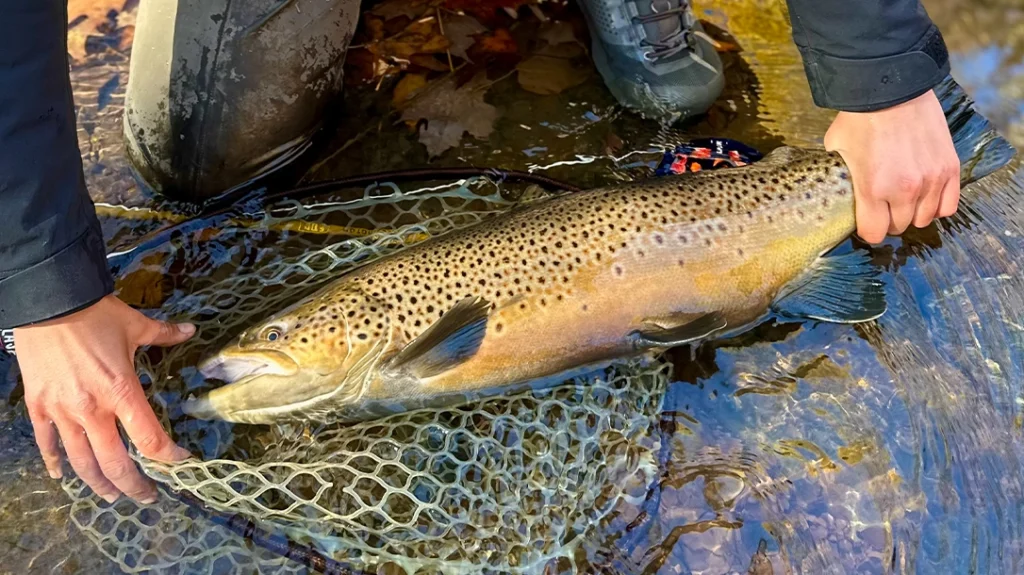
What you have to realize is it doesn’t last forever. As water temperatures climb and fish begin to scatter into deeper water, the shoreline bite fades. That short window is what makes it special, and why those who know, go hard while it’s here.
If you’re willing to brave the cold, watch the conditions, and put in the time, spring brown trout fishing on the Great Lakes can be some of the most rewarding fishing you’ll ever experience. It’s something I never thought I’d ever get into, but glad I did.
WHY OUR ARTICLES/REVIEWS DO NOT HAVE AFFILIATE LINKS
Affiliate links create a financial incentive for writers to promote certain products, which can lead to biased recommendations. This blurs the line between genuine advice and marketing, reducing trust in the content.