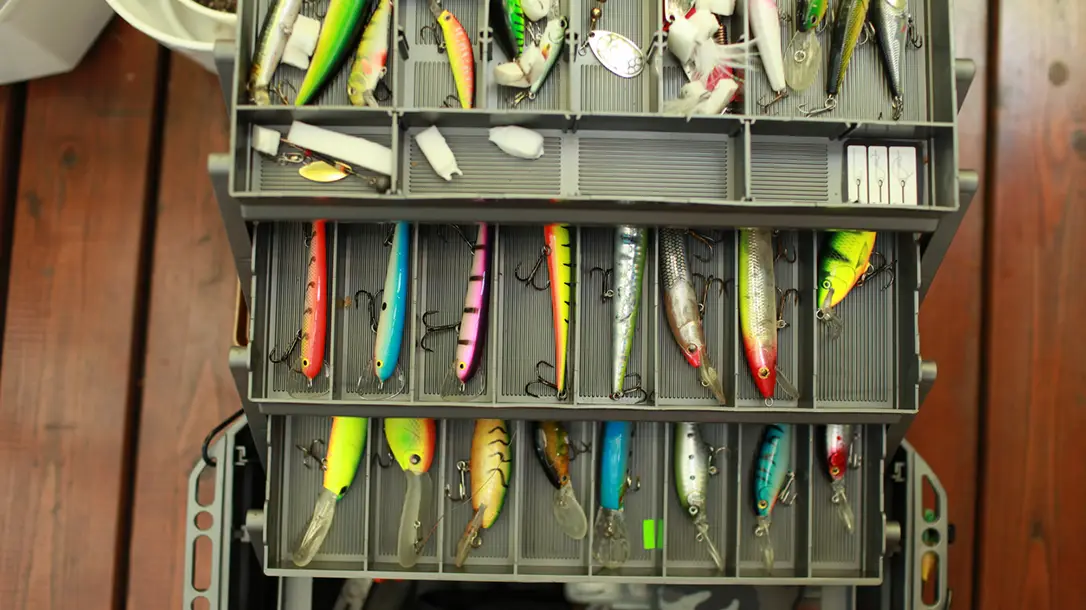
Does color matter? Is there a difference between light blue, sky blue, shade blue, minnow blue, or blue craw? Is blue just blue, or do all the micro shades matter when it comes to fishing lures? How about white versus bone white, pearl white, cloud white, or white lightning?
Does Color Matter? – Know Before Your Throw
I personally believe that color choices are geared more towards the fisherman than the fish, but there is some truth to shades of colors.
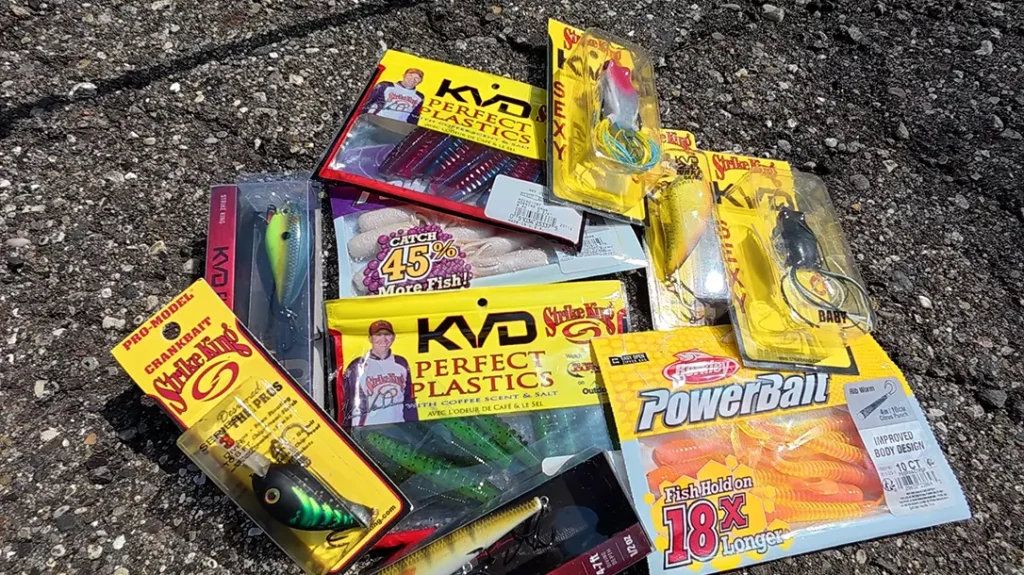
I have a theory that I teach in my seminars, which is to start with options. Always be prepared with baits that cover three categories: light, bright, and dark. Light are your whites, light blues, yellows, pinks, and grey. Brights being neon options, chartreuse, hot pink, etc. Dark would consist of black, dark green, brown, purple, and others that are very saturated, darker colors.
Advertisement — Continue Reading Below
Depth and Clarity
Different water depths and clarities will call for different color baits. The brighter, more realistic colors like silver, light blues, reds, oranges, and whites, are great for clear or shallow water. This is because those colors show up better in those conditions. Stained or murky water will show the darker colors better, such as black, brown, and purple. Light-stained water usually covers most of the inland lakes. In these cases, I prefer to use the realistic colors in shallow waters and the brighter colors in the deeper, less visible waters.
What Fish See
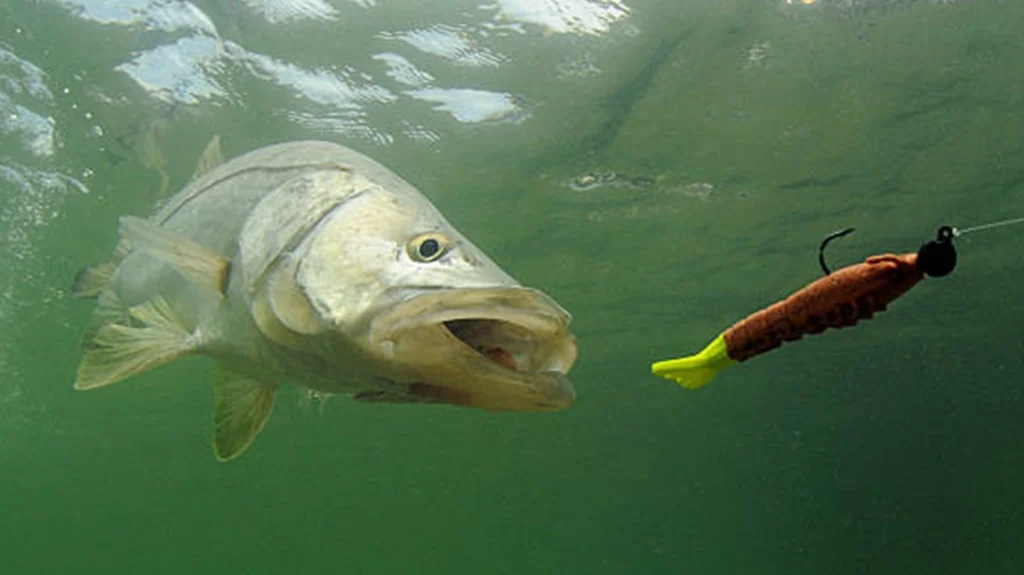
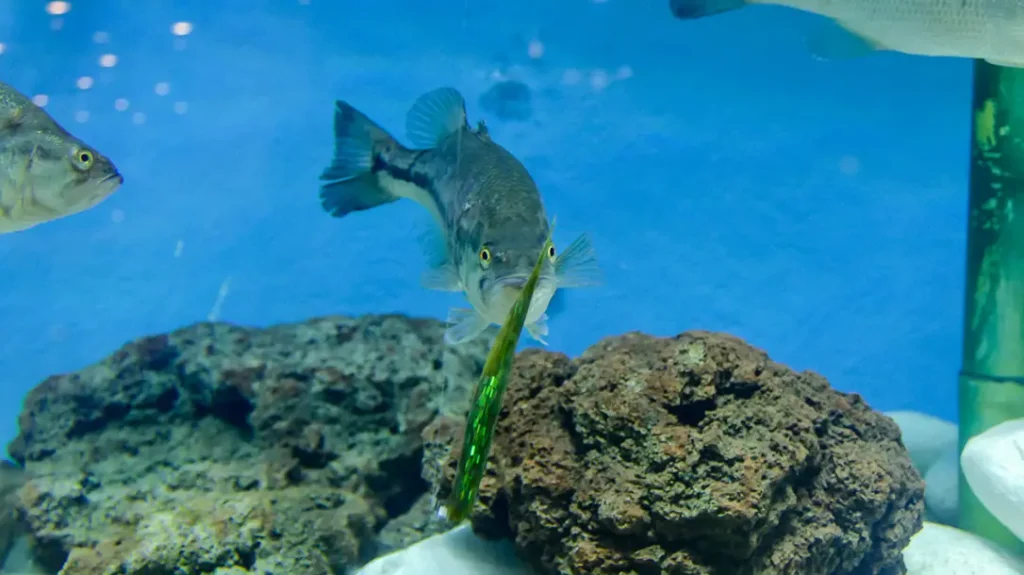
Most fish have pupils with a fixed diameter. This makes consistent, calm light their best friend. This is why they will seek shade on super bright days and feel more comfortable at dusk or dawn. Light is present but dim. Ever hear that fishing is best as the sun is coming up? This is why. The fish will venture out and hunt for food when they can see the best and be the most comfortable.
Most fish have very similar corneas to humans, being able to see color and light. However, their vision is greatly diminished, being underwater and having light available only at certain depths. Some studies show that their vision is 80% less vibrant than ours. So, can they really tell the difference between every shade of bait that is made? Honestly, I don’t even know if most fishermen can tell the difference between some of these colors.
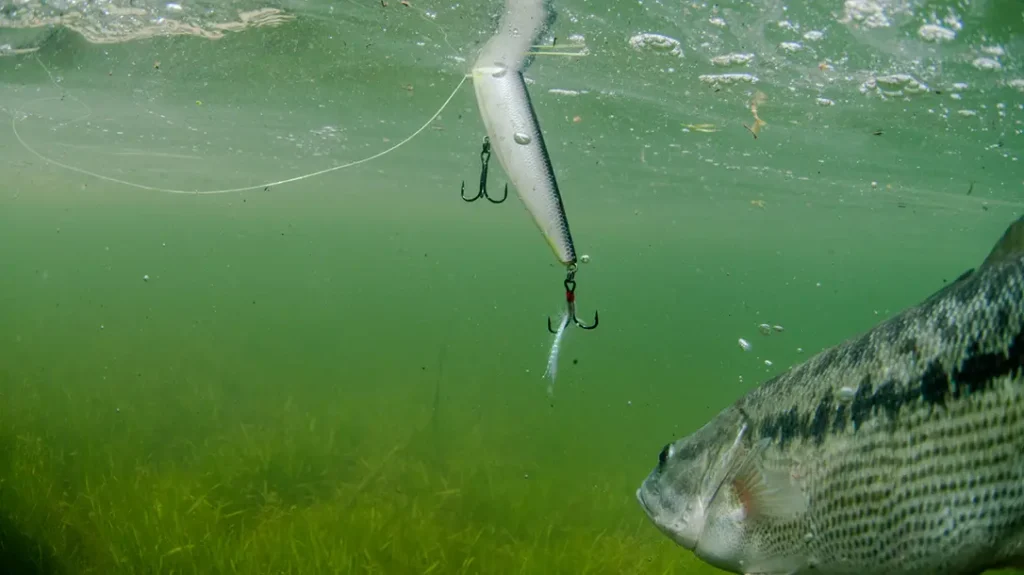
My tip is to use life-like colors in line with what they are naturally feeding on in clear and shallow water. Then, go with brighter colors when fishing deeper or darker waters. “Match the hatch” is a common saying when matching bait colors to what the fish naturally eat.
Advertisement — Continue Reading Below
Final Thoughts
The most common question about baits is what color to throw. The best answer is to look at the bait in the boat of water you are fishing. If the water is clear or lightly stained, try to match the color of the baitfish, craws, or whatever the target species is feeding on. Another option is to use whatever bait color has become your confidence bait. See if it works or not, and adjust to lighter or darker if better results are needed. I know that sounds like spinning a wheel on colors, but I am surprised how a hot pink will work at times. Even when I would assume a black colored bait would work best. Sometimes you must just cast and see what happens.
Pro tip: Always start with a chartreuse/dark mix on soft bait or a bluegill/shad color on hard baits. See what you can accomplish. Those are the two options that I get the best results with around the country for most species.
WHY OUR ARTICLES/REVIEWS DO NOT HAVE AFFILIATE LINKS
Affiliate links create a financial incentive for writers to promote certain products, which can lead to biased recommendations. This blurs the line between genuine advice and marketing, reducing trust in the content.