If you’ve ever fished through the summer doldrums and into early fall, you know what it’s like to throw every piece of tackle you own and still not get the fish to bite.
Let’s face it, by the end of summer the fish have seen every lure that swims thrown at ’em and are just a little shy of rushing out and getting caught. When this period rolls around, I go back to simpler times. The days of my youth and fishing with live bait. If you walk down the fishing lure aisles the displays are full of imitation minnows and crawfish lures and for good reason, minnow and crayfish catch fish. However, in the fall, the live versions work best. Sometimes live bait is difficult to acquire though. Sure, small sporting goods stores often sell minnows, but rarely do I see crayfish on the board.
Finding bait isn’t difficult if you have a small stream or lake close by. Chances are you have bait just waiting to be caught.
Getting Bait With Rod & Reel
Several years ago, I was tasked with keeping my nephews and niece occupied so being the good uncle I am, I took them crawdadding at night. With just a package of hotdogs, a pack of hooks and a flashlight we ended up at the local fishing hole where the bank was surrounded by shot rock. The rocks were teeming with crayfish. That’s what the city people call them.
We’d bait the hook with a small piece of hot dog and dropped the morsels into the water. It didn’t take long until a crawdad used its pincher to grab the line while it dined on the hot dog. Slowly we’d pull the crawdad from the water and put a bucket under the crawdad then gave the rod a shake. The moment the crawdad hit the bucket it began to flip its tail trying to escape. In the period of half an hour, we caught enough crawdads to fish for the entire night.
Advertisement — Continue Reading Below
Cast Net
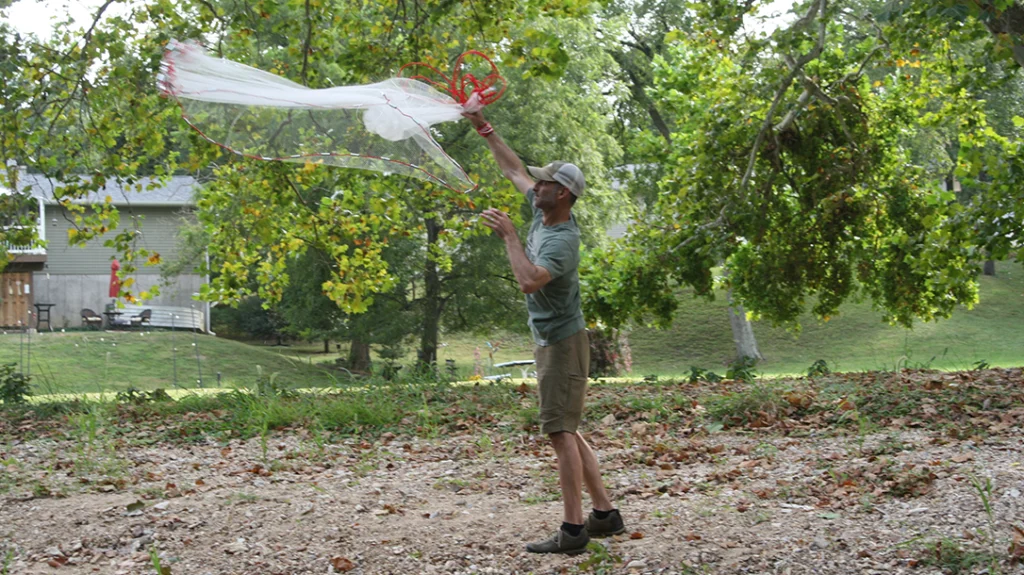
Though originally used in saltwater to catch bait, many freshwater anglers have adopted the use of cast nets to fill their bait buckets. Threadfin Shad are the main target bait when using cast nets though other baitfish can be taken with it. One of the reasons for using the cast net for shad is it tends to school up in large bunches and be observed from a boat using electronics. An angler can throw the net in the middle of the bait ball and haul in a bucket full of bait in a single pass.
One caveat of using a cast net is they are difficult to master without a lot of practice. Once you get the technique down, it’s like riding a bike and you never forget how to throw a net.
Seining
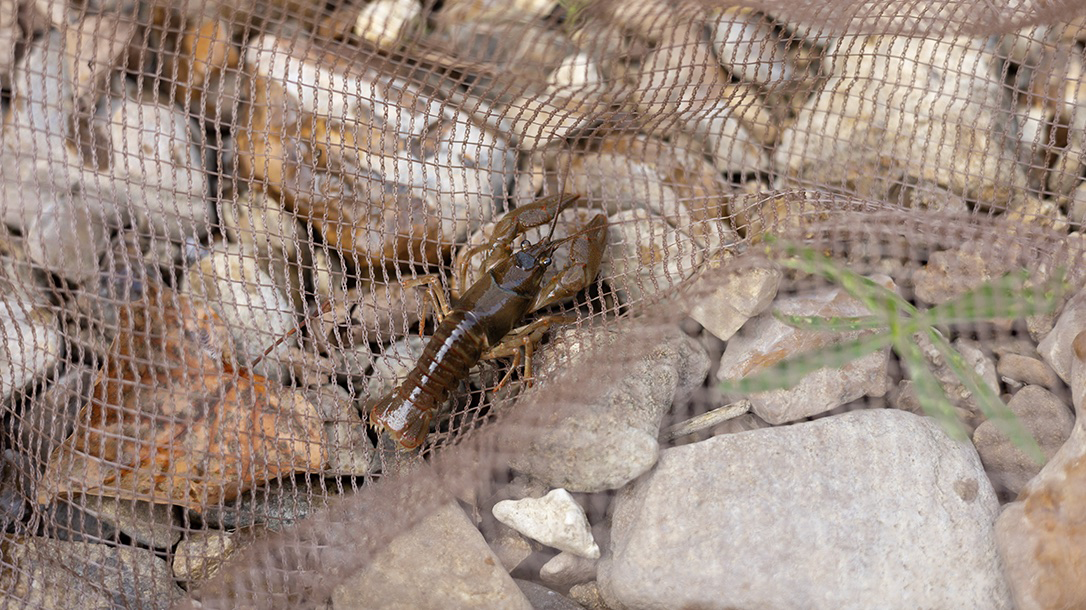
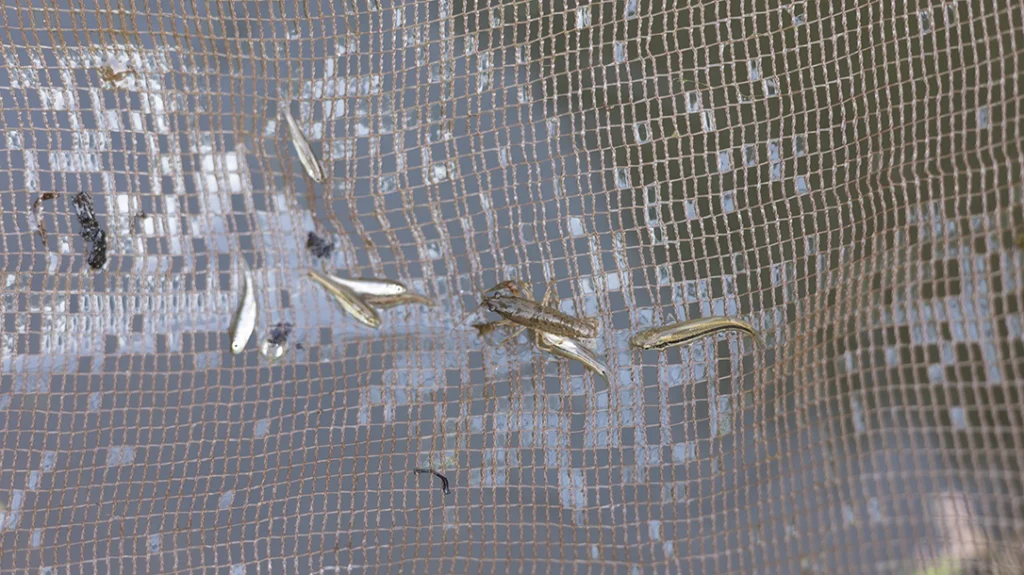
I was taught the finer pints of seining for crawdads when I was a kid helping my granddad catch bait. We’d go to the riffles where the rocks were causing a disturbance in the water. My job was to shuffle my feet and bump the rocks in hopes of dislodging the crawdads which lived under them while Grandpa pulled the seine.
If you are going solo, it is necessary to pull the seine while walking backwards and shuffle your feet to dislodge crawdads into the seine.
Advertisement — Continue Reading Below
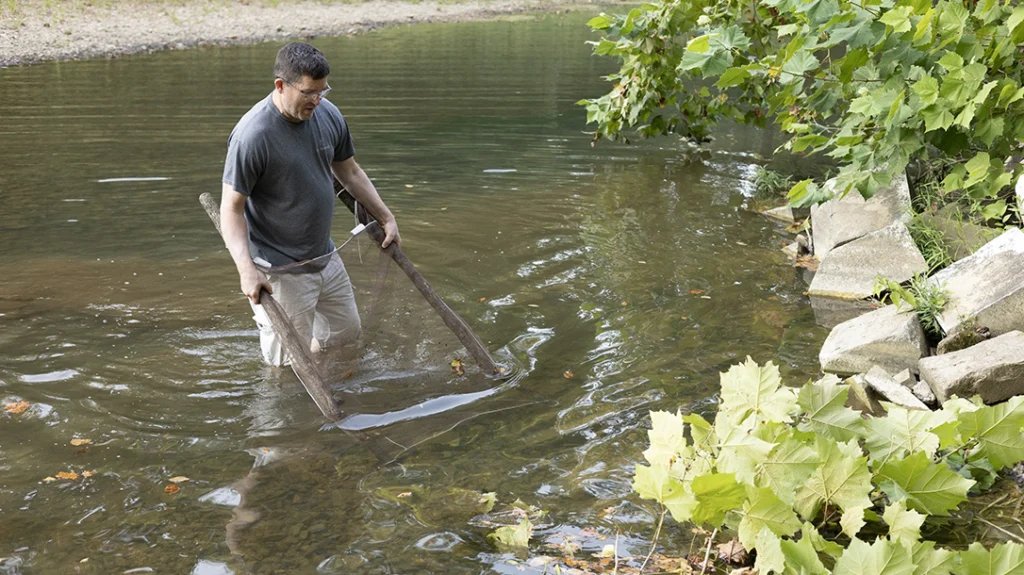
Seines come in a variety of sizes for one person or longer ones for two people to use. The seine usually has sinkers under it to keep it close to the bottom so minnows or crawdads can’t get underneath the seine.
When scouting for minnows I look for small shallow pools, preferably near vegetation where they like to hide. Put the seine out in front of you and slowly walk toward the vegetation.
Minnow Trap
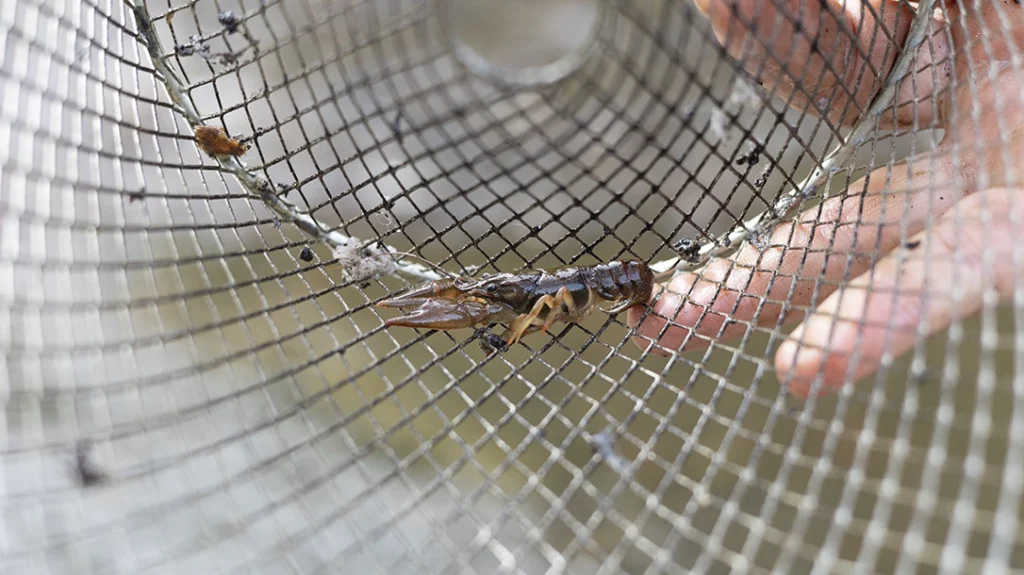
Minnow traps can be used to catch both minnows and crawdads. To target minnows, I put my trap in the same areas shallow areas and use a couple slices of bread for bait. The minnows are attracted to the bread. They swim into the trap and cannot escape.
Advertisement — Continue Reading Below
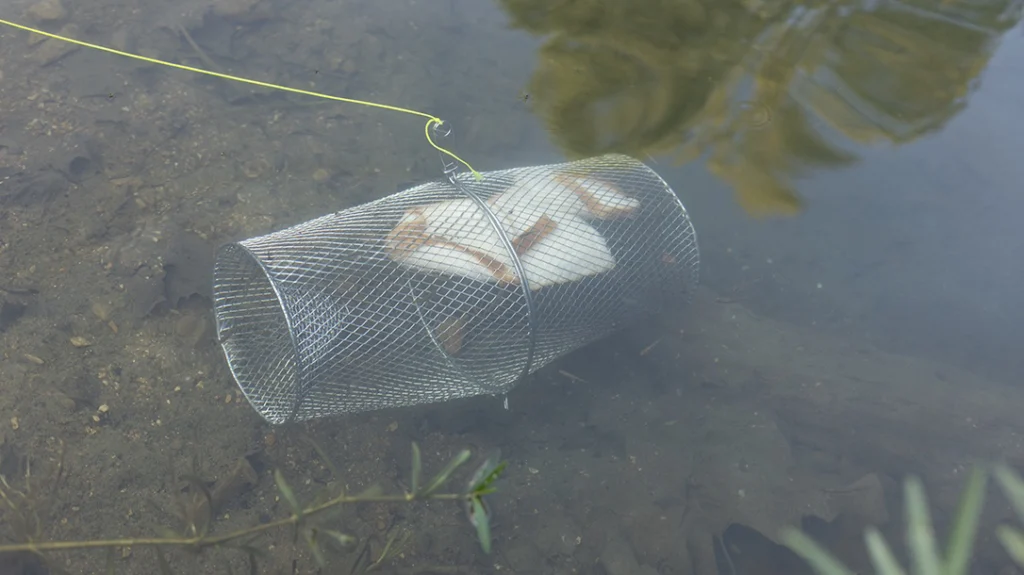
When targeting crawdads, a piece of raw chicken or beef or fish heads from cleaned fish is all the attraction needed to attract these mudbugs. Place it inside the trap and place it close to a rocky area in the water.
If you are tired of not catching fish then give live bait a try. You can fill your bait bucket when armed with a minnow trap or a seine.