Hunting is an easy target for criticism in a modern world that is increasingly removed from food, land, and the realities of wildlife management. I hear the questions often. Why hunt now? Why kill an animal when you can buy meat at the store? How can someone who claims to love wildlife also take its life?
Those questions usually come from a distance. Distance from wild places, food sources, and from the daily realities of ecosystems that do not manage themselves in a human-shaped world.
I have spent my life outdoors as a hunter, an instructor, and a farmer. I have watched wildlife populations rise and crash and watched habitat improve and degrade. Also, I have watched well-intentioned policies fail when they ignore biology. And through it all, one truth has remained steady. Almost all hunters still matter to conservation, whether they are liked or not.
Hunters Know Animals Differently
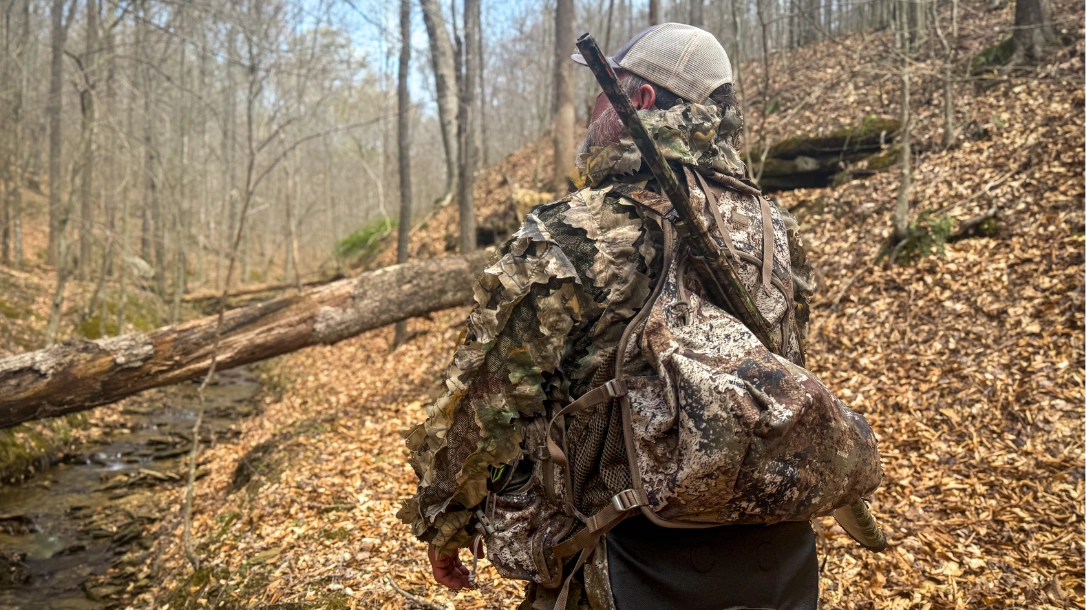
Hunters do not experience wildlife as symbols or mascots. They experience animals as living beings with habits, preferences, strengths, and weaknesses. Spend enough time pursuing a species and it stops being a symbol, and rather than a living animal within a population. You learn where animals feed, how they move with weather shifts, how they respond to pressure, and how they adapt when conditions change.
Advertisement — Continue Reading Below
That knowledge does not come from a book or a screen. It comes from time on the ground. Cold mornings. Long sits. Failed stalks. Empty tags. Hunters invest thousands of hours learning the land and the animals that live on it, not because they are required to, but because success demands it.
That depth of understanding breeds respect. It is hard to casually dismiss a species when you know what it eats, where it beds, how it raises its young, and how fragile its place in the ecosystem can be. The idea that hunters are disconnected from wildlife could not be further from reality.
Conservation Is Not Optional Biology
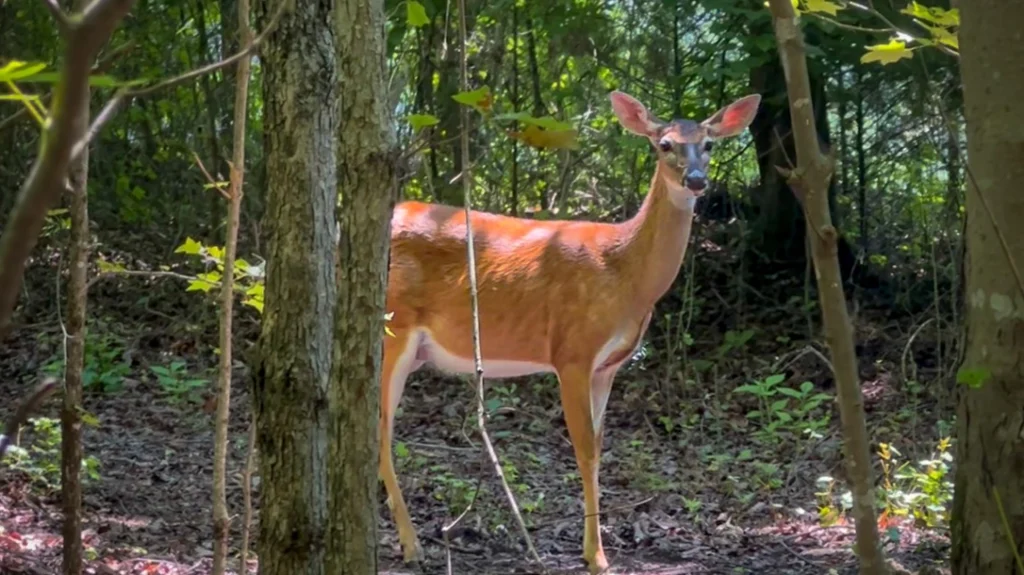
Wildlife does not exist in a vacuum anymore. Roads, cities, agriculture, fences, and development have reshaped the landscape. Large predators are absent from many ecosystems. Natural population controls have been removed, fragmented, or distorted.
In that reality, unmanaged wildlife populations do not remain stable. They explode beyond the carrying capacity of the land and collapse under disease and starvation. Secondly, habitat loss becomes a byproduct of these conditions. Neither outcome is humane, and neither supports long-term conservation.
Advertisement — Continue Reading Below
Regulated hunting is the primary tool wildlife biologists use to maintain healthy populations and balanced age structures. Strategically removing certain animals strengthens the overall herd or flock. Biologists work with scientific data to set the appropriate bag limits. When hunters follow these recommendations, it reduces competition for limited resources. It slows the spread of disease. It keeps animals within the limits of their habitat.
This is not theory. It is applied biology backed by decades of data. Hunters fund and support that system, often without recognition and sometimes without gratitude.
Hunters Pay for Conservation
A substantial portion of conservation funding in the United States comes directly from hunters. License fees, tags, and excise taxes on firearms and ammunition generate billions of dollars for wildlife management, habitat restoration, public land access, and research.
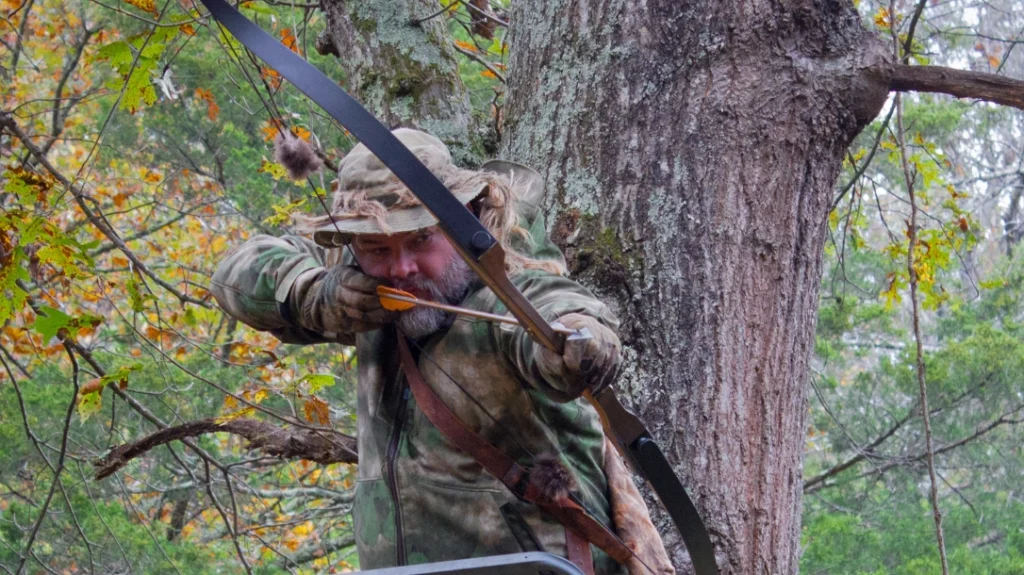
That funding benefits far more than game species. Songbirds, pollinators, amphibians, wetlands, and non-hunted species all gain from habitat protected and managed through hunter-funded conservation programs.
Advertisement — Continue Reading Below
Many of the same people who oppose hunting, enjoy public lands, healthy wildlife populations, and restored habitats without realizing who paid the bill. Hunters rarely ask for credit. They just keep showing up and paying in.
Food Matters More Than Ever
For hunters, conservation is not abstract. It starts at the dinner table. Wild game is among the cleanest, leanest protein sources available. Hunters know exactly where their meat comes from, how it lived, how it was harvested, and how it was processed.

That connection to food brings responsibility. Ethical hunters care deeply about shot placement, recovery, and respect for the animal. Wasting meat is not just illegal, it is unacceptable within the culture of serious hunters.
Contrast that with the distance most people have from their food. Few can tell you where their meat was raised, what it ate, how it was treated, or how many hands touched it before it reached a shelf. Hunting removes that distance. It forces accountability.
Advertisement — Continue Reading Below
Hunting Builds Stewardship
Hunters are often some of the strongest advocates for habitat protection, land access, and responsible wildlife policy. They plant food plots. Improve forests. Restore wetlands. Support access agreements. Fight for public lands. Volunteer for conservation organizations. Report poaching and illegal activity. Many maintain their own private properties solely to provide habitat for wildlife.
When you rely on the land for food, you take a personal interest in its health. When wildlife populations matter for your future seasons, you pay attention to how they are managed. Hunters are not tourists in wild places. They are stakeholders.
Discomfort Does Not Equal Wrong
Much of the criticism aimed at hunting stems from discomfort rather than logic. Killing an animal is difficult to watch. It forces people to confront mortality and food production. That discomfort is understandable, but it does not make hunting immoral or unnecessary.
Every predator on this planet survives by taking life. Humans are no exception. The difference is that hunters face that reality directly rather than outsourcing it.
Advertisement — Continue Reading Below
You do not have to hunt to benefit from hunters. You do not even have to like hunting. But dismissing it ignores biology, history, and the reality of conservation. Hunters often tend to share with others in need, with programs like Hunters for the Hungry.
Why Hunters Still Matter
Hunters matter because wildlife needs management. Because conservation needs funding, ecosystems need balance, food should come with responsibility, and wild places need advocates who are invested for the long term.
Hunting is not a relic of the past. It is a modern conservation tool grounded in science, ethics, and responsibility. It might not be popular, and it is rarely simple. But it works.