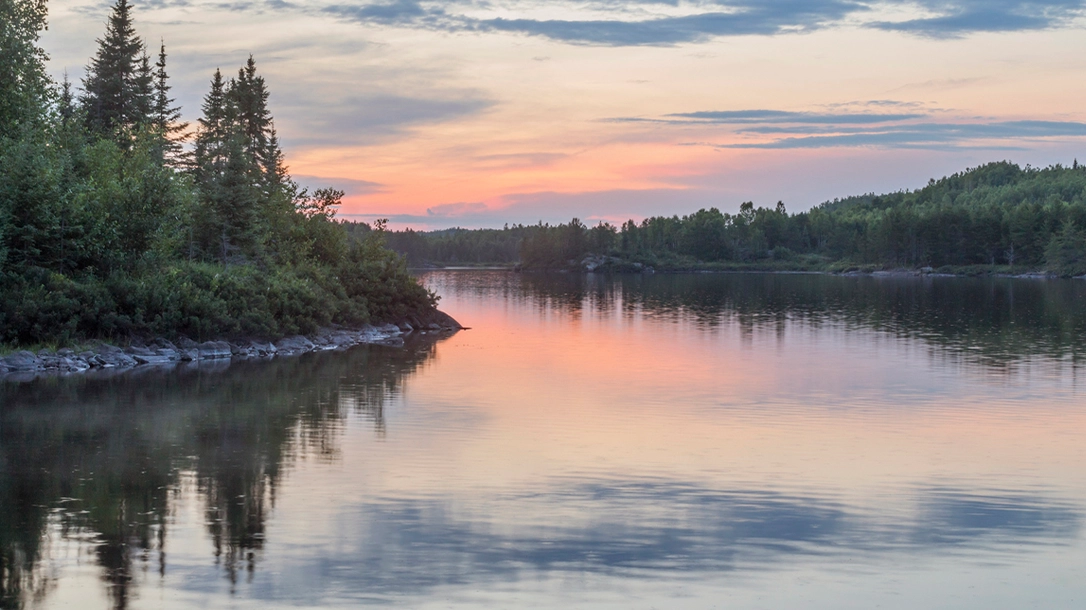
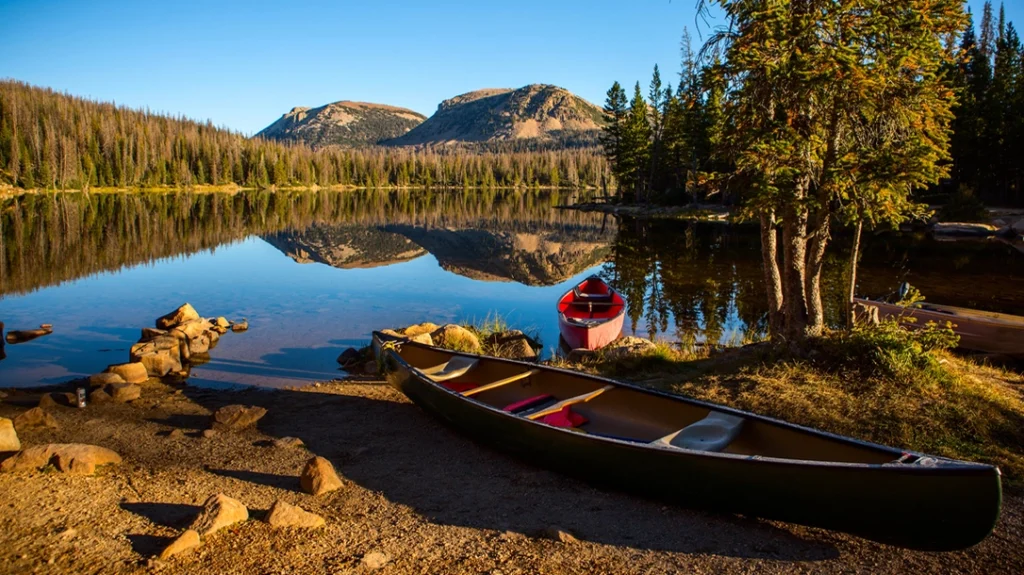
The Boundary Waters Canoe Area Wilderness forms one of the most pristine freshwater ecosystems in the contiguous United States. The area is home to diverse fish populations, gray wolves, moose, black bears, migratory birds, and more. Known for its pristine lakes and interconnected rivers, its watershed supports an economy built on recreation and tourism, annually drawing more than draws more than 150,000 visitors for paddling, fishing, camping, and hunting.
Composed of over 1,000 interconnected lakes and streams, the wilderness sits within the larger Superior National Forest and shares a watershed with Canada’s Quetico Provincial Park.
The defining characteristic of the Boundary Waters is water, and those waters are being threatened.
What’s Driving the Threat?
The Boundary Waters currently stands at the center of a fierce national debate over mineral extraction, federal land policy, and environmental protection. Twin Metals Minnesota, owned by the Chilean mining conglomerate Antofagasta PLC, seeks to develop an underground copper-nickel sulfide mine on Superior National Forest lands near the Boundary Waters area, but within the same watershed.
This isn’t the first time the area has been threatened. This saga has been decades in the making, tracing back to lease rights first issued in the 1960s. Over time those leases changed hands and ultimately came under current ownership, revitalizing the possibility of development near the watershed.
Advertisement — Continue Reading Below
Proposed Copper-Nickel Mining
Underneath the proposed mining site sits one of the largest undeveloped deposits of copper, nickel, and cobalt in the world. These metals are used in stainless steel production, renewable energy systems, and electric vehicle batteries.
Unlike iron mining, which has historically occurred in Minnesota’s Iron Range, this project would involve sulfide ore mining, which is a critical distinction from an environmental perspective. Sulfide-ore mining is more toxic to the environment and carries a well-documented environmental risk of acid mine drainage.
The watershed surrounding the Boundary Waters is particularly vulnerable due to several reasons. One is that the water is all interconnected, so any contamination could easily spread throughout the chain without containment. Another is that the local geology lacks significant limestone or other alkaline materials that naturally neutralize acid.
Why Does This Matter Now?
The current threat to Boundary Waters is legislation that could potentialy overturn protections created under the Biden administration that barred new mining leases in the Boundary Waters watershed. In 2023, the U.S. Department of the Interior finalized a 20-year mineral withdrawal preventing new federal mining leases on approximately 225,000 acres of Superior National Forest land within the Boundary Waters watershed. The action followed a two-year environmental review.
Advertisement — Continue Reading Below
However, just this year, the U.S. House passed House Joint Resolution 140, seeking to overturn that withdrawal using the Congressional Review Act (CRA), to rescind these protections and reopen the door to mining. That vote now moves to the U.S. Senate, where its fate is pending and could fundamentally reshape how public lands are protected or exploited.
Divided Sides
Supporters of the mining project believe it will bring jobs and prosperity to an underserved economy. Opponents to the copper-nickel mine point to, among other things, the outdoor recreation economy in northeastern Minnesota that generates hundreds of millions of dollars annually and supports thousands of jobs in guiding, outfitting, hospitality, and retail. If the pristine Boundary Waters were contaminated, that would decimate this industry. Critics also note that mining operations are finite, while recreation-based economies can persist indefinitely if ecosystems remain intact.
Another consideration is that there are no sulfide ore mines in the United States that have succeeded in generating zero contamination. So it is reasonable to suffice that there will be potential permanent water-treatment needs at the site, at the expense of taxpayers.
The Boundary Waters has been protected in various forms for more than a century. Whether those protections endure may shape not only Minnesota’s future but also the national precedent for how America manages its most treasured public lands. The Srnate could vote on this as early as this week.
Advertisement — Continue Reading Below