Dressing correctly for any outdoor adventure is the first step toward success. You wouldn’t want to head out for a day on the water without being prepared and comfortable. When going fishing, there are several key clothing considerations to keep in mind. Weather conditions, sun exposure, UV index, wind speed, comfort, and safety all play a role in what you should wear. Let’s walk through some tips, tricks, and suggestions to help you decide what to wear, or at the very least what to think about, before heading out for a fun day of fishing.
Make a List
It may seem a little unnecessary, but there have been plenty of times when I make a quick list before a fishing trip of what I plan to wear. This helps me visually check that I’ve covered everything.
Recently, I took a trip to southern Alabama where we went kayak fishing in the Gulf. While packing and choosing my outfits for the fishing days, I wrote down a few key things I needed to consider. I didn’t want to pack the wrong gear or find myself unprepared once I was on the water.
One of the first things I noted was the UV index. It was extremely high at 9.7—almost at the “extreme” level—which requires serious attention to sun protection. The wind speed was also forecasted at 25–30 mph that day. With weather conditions like that, it was clear I needed to be prepared. So I made a list.
Advertisement — Continue Reading Below
First, I needed sun protection. Next, wind protection. Then safety precautions. But what about footwear and headwear? This is where experience and a bit of research come into play.
Executing the Plan
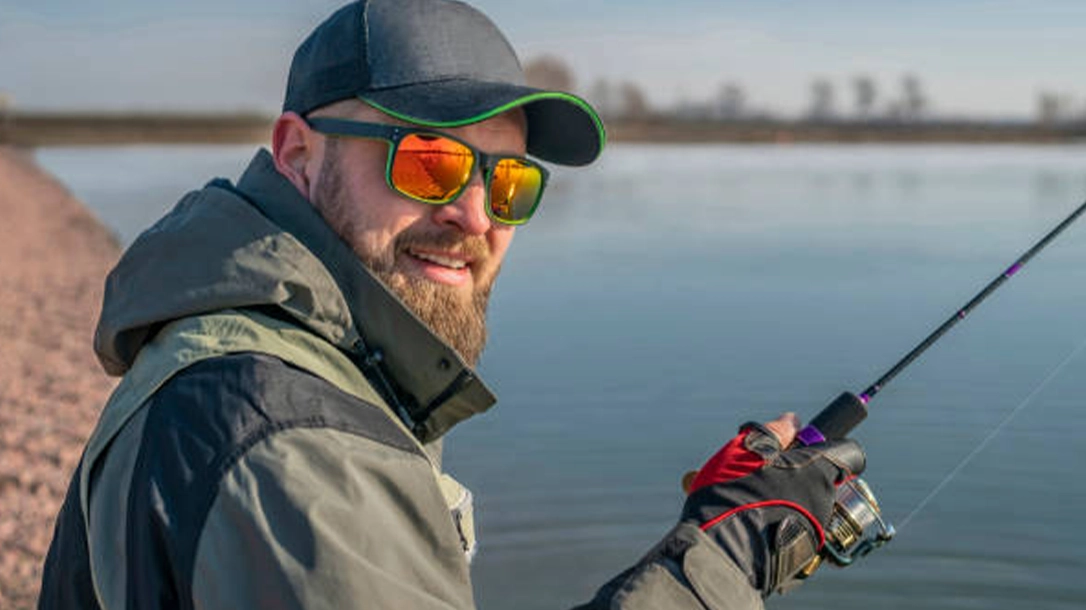
Once I know what the weather conditions will be, I can start preparing for the day on the water. First, I put on my UPF 50 long-sleeve sun protection shirt. This shirt also has a hood, hand guards, and a face buff built in. The design helps ensure that very little skin is exposed to harmful UV rays. Any areas that are still exposed get SPF 30 sunscreen applied about every hour.
Next, I put on my UPF 50 full-length pants. These cover my legs completely while remaining breathable and lightweight. They allow heat to vent from my body and dry quickly if they get wet.
With those pieces in place, I’m protected from both UV exposure and wind. Finally, I slide on fully covered water shoes and a fishing hat to cover the remaining exposed areas.
Now I’m dressed for the conditions I expect to encounter. Making a list ahead of time based on weather conditions is one of the best ways to make sure you don’t forget something important. There’s nothing worse than being on the water for a few hours and realizing you forgot a critical piece of gear.
Advertisement — Continue Reading Below
Safety
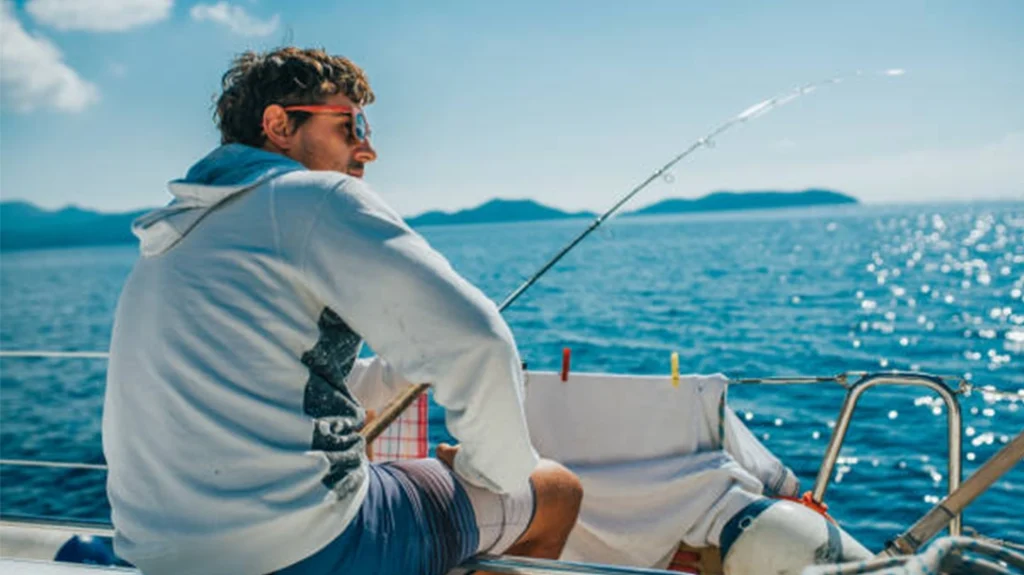
Just as important as comfort and protection from the elements is safety. Once you’re covered for the weather, think about what you need to stay safe on the water. First and most importantly, wear a reliable PFD (Personal Flotation Device). I never leave home without one. When it comes to life jackets, the rule is simple: be smart and be safe.
Next, consider where you’re going and how long you’ll be out. Bring water, food, and a way to communicate. If your phone battery is low, bring a portable charger or make sure it’s fully charged before you leave. You don’t want to be unable to contact someone in case of an emergency.
It’s also a good idea to carry a small first-aid kit in case of injury. Once those basics are covered, you’re ready to hit the water prepared and confident.
Final Thoughts
Excessive exposure to ultraviolet (UV) radiation outdoors causes millions of skin cancer cases and deaths each year. According to the National Cancer Institute, there were 104,960 estimated new cases of melanoma in 2025.
Advertisement — Continue Reading Below
The good news is that many of these risks can be reduced with proper preparation. Dressing appropriately, protecting your skin, and planning for the conditions can make a huge difference.
So before your next fishing trip, take a few minutes to check the weather, make a list, and dress for success on the water. A little preparation goes a long way toward making your day both enjoyable and safe.
WHY OUR ARTICLES/REVIEWS DO NOT HAVE AFFILIATE LINKS
Affiliate links create a financial incentive for writers to promote certain products, which can lead to biased recommendations. This blurs the line between genuine advice and marketing, reducing trust in the content.