Dice baits are a new type of tackle specifically designed to look different from existing presentations on the market. These cube-shaped soft plastics were designed to trigger reactions from bass that have learned to ignore everything else. If you’ve ever stared at one in the tackle shop and wondered how, or why, it works, you’re not alone. But once you see what dice baits do underwater, their growing popularity starts to make a whole lot of sense.
Dice Bait — The What & Why?
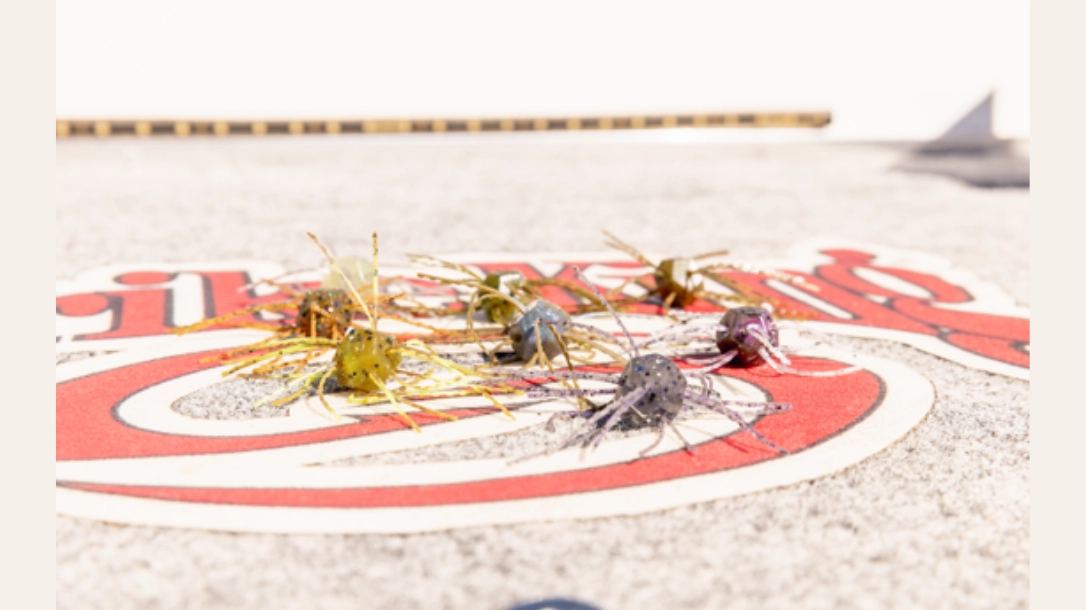
Dice baits or fuzzy dice baits are a blocky bait with many skirt-like appendages sticking out of the body of the bait. The tentacles are used to create a natural, flowy type of movement. They are most effective when the angler uses a slight twitching pattern. Dice baits can be salted or non salted. This bait was designed to target the toughest bass that were constantly pressured with fishing baits.
Where Did Dice Bait Come From?
Dice baits emerged from Japan where lake pressure is high. Bass fishermen there have to constantly evolve to get these tricky fish to bite.
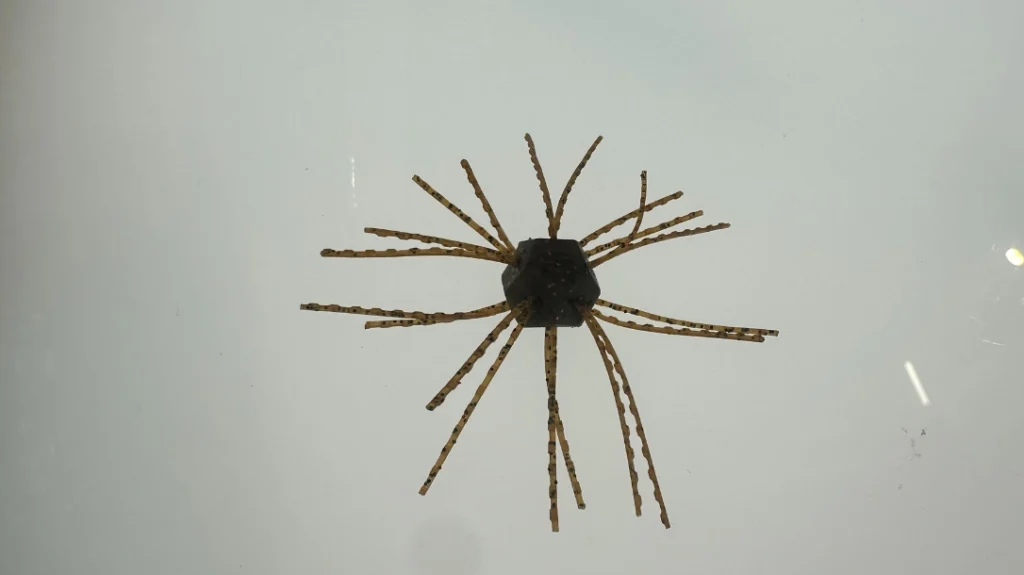
The first dice-style bait was the OSP Saikoro Rubber, handmade by Hideaki Tabuchi under his Fieldside brand in 2016. This bait soared in popularity after Kyoya Fujita’s second-place finish at a 2023 Bassmaster Elite Series event on Lake Seminole using an OSP Dice Rubber. That sparked the dice bait trend to take off. Many top fishing tackle brands adapted and released their own version, with many debuting at ICAST.
Advertisement — Continue Reading Below
How to Use the Dice Bait
Most people would see this bait and automatically be confused on how to rig it correctly. Luckily there are many options to use this style of bait. My favorite is on a drop shot rig about 14-16” from the bottom. Suspending this bait allows the bait to have movement 360 degrees to attract even the most stubborn fish. You can also use the Carolina-rig, Ned-rig or even a bare hook on a floating dice bait to give the effect of a large spider on the surface.
One way I have found effective is to use a 1/16oz Ned-rig-style jig head. Let the bait slowly fall to the bottom and bounce it as you retrieve as if it were a standard Ned-rig set up. This bait is definitely versatile and has many options to target your catch.
Fishing with Dice Bait
My first time fishing with these baits was interesting to say the least. I hooked one up on a drop shot rig about 14” from the bottom of a sandy and solid bottom. The water was clear and there was a slight breeze. Perfect conditions for smallmouth bass to be active in the colder water. I noticed quickly that these baits had a lot of drag in the water with all of the tentacle-like appendages. This made the bait sink very slowly. The bait also had a very natural flow motion in the water. The slightest pop of the fishing rod would create a lot of movement and water displacement around this bait. Within a few minutes, I felt my first strike on the aptly named Strike King bait called the Tumbleweed.
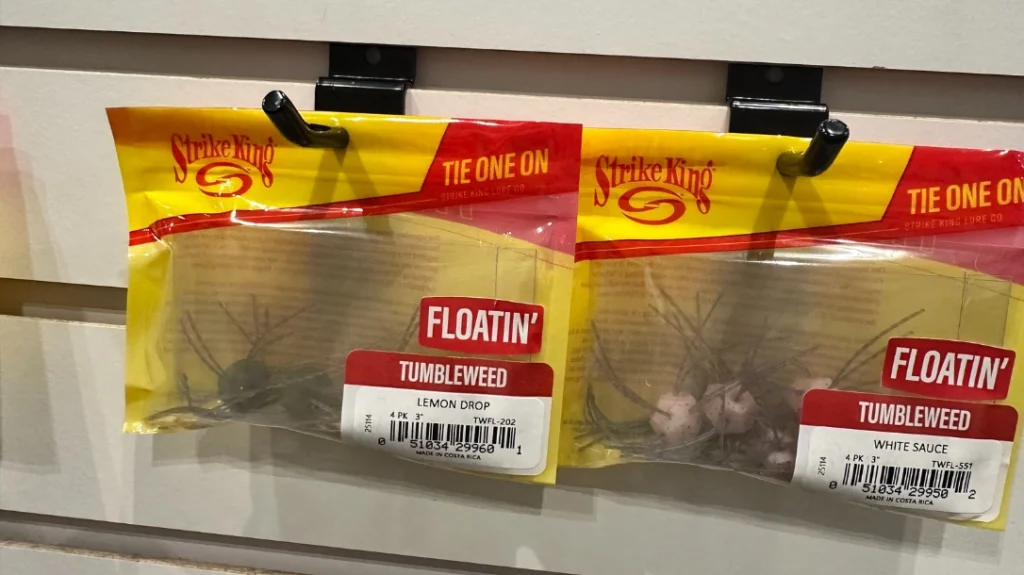
Bass seemed very aggressive toward the bait and my first catch on the bait was a solid Smallmouth. I am looking forward to using dice baits during the post spawn season. I’ll also be bringing them along in lakes that have a lot of fishing pressure making the bass fishing tougher.
Advertisement — Continue Reading Below
Impressions
At first glance, dice baits may look like a gimmick, but on the water, they prove they’re anything but. Their subtle movement, slow fall, and unconventional profile give pressured bass something different. This is enticing in lakes where more traditional presentations fail. Whether drop-shotting deep, experimenting with a Ned-style approach, or hovering one over a hard bottom, dice baits offer versatility. Dice baits are worth a spot in the arsenal.
WHY OUR ARTICLES/REVIEWS DO NOT HAVE AFFILIATE LINKS
Affiliate links create a financial incentive for writers to promote certain products, which can lead to biased recommendations. This blurs the line between genuine advice and marketing, reducing trust in the content.