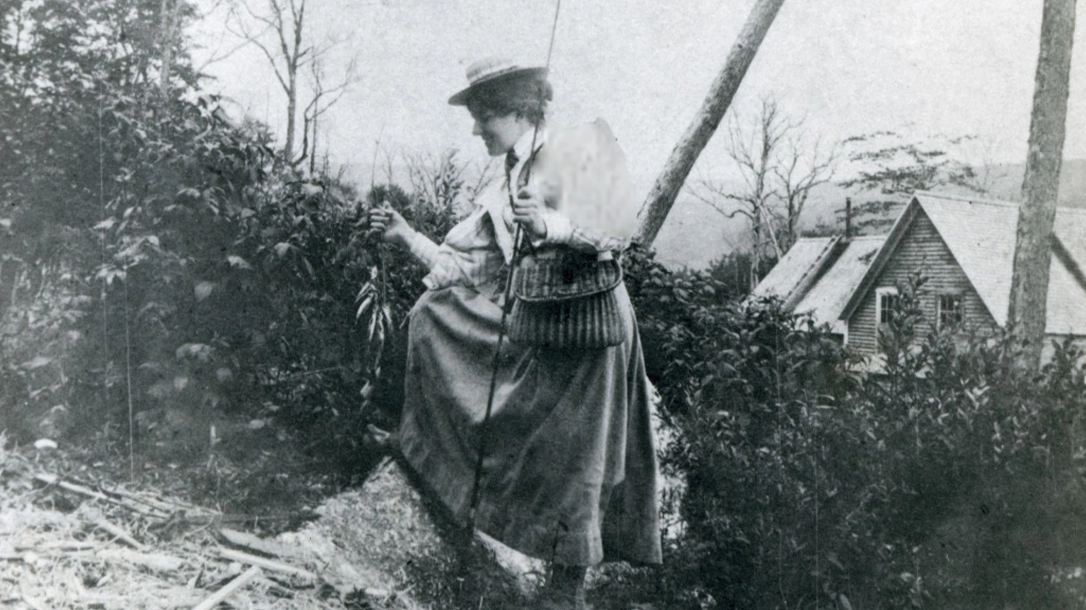
The history books are full of pages that showcase men with rifles and rods, men climbing mountains, and men conquering the world. Women have always been there, but mostly behind the scenes. They were fishing cold rivers in skirts, climbing mountains in leather boots, building cabins in remote wilderness, and writing the words that would eventually inspire entire movements.
Long before organzied mentorship programs, women were doing the work. They were guiding, exploring, conserving, and proving, albeit sometimes stubbornly, that the world belongs to wild women.
In honor of Women’s History Month, here are a few of the women who shaped outdoor recreation as we know it today.
Fly Rod Crosby: The Woman Who Made Maine a Destination
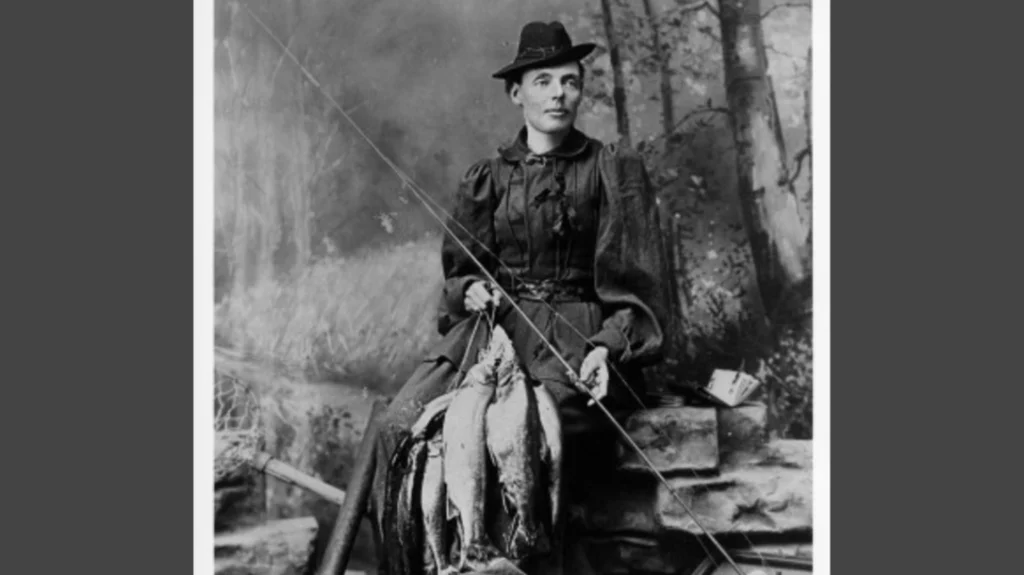
Long before Instagram anglers and fishing influencers, there was Cornelia Thurza Crosby, otherwise known as Flyrod Crosby.
Advertisement — Continue Reading Below
Born in Maine in 1854, Crosby became one of the earliest outdoor writers in America. She was an enthusiastic promoter of hunting and fishing in the state’s Rangeley Lakes region. Her newspaper column, Fly Rod’s Notebook, was nationally syndicated and widely read. She utilized that column as a promotional tool, sharing tales of her fishing adventures, which led to an influx of travelers into Maine’s wilderness.
Her influence went far beyond storytelling, however. In 1898, Crosby was ceremonially awarded Maine Guide License #1, making her the first ever registered guide in the state.
She pushed for conservation practices such as bag limits and licensing long before those ideas were widely accepted. She also coined the popular phrase, “Maine – The Nation’s Playground.”
Grace Hudowalski: The First Woman to Climb the Adirondack 46
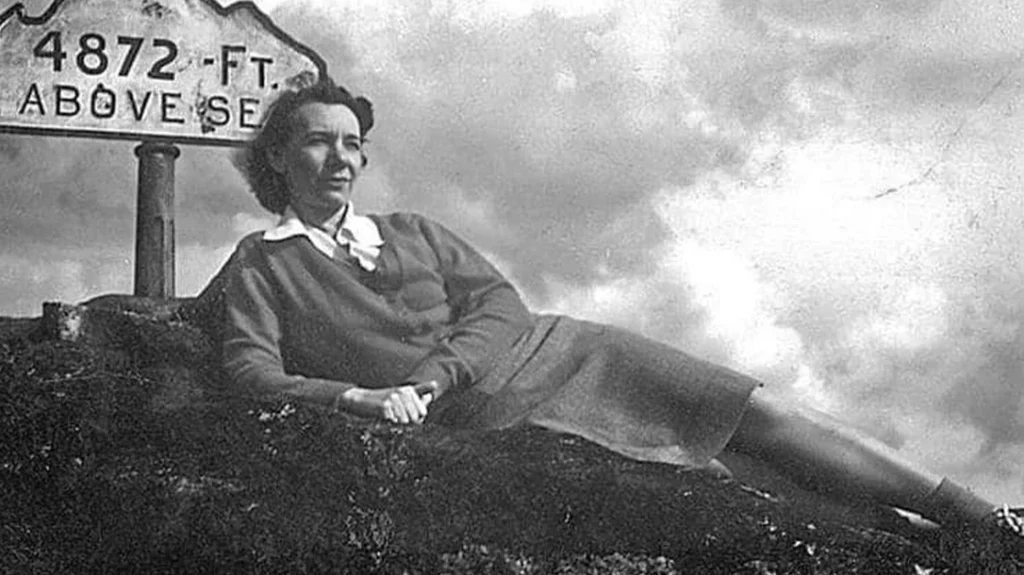
If you spend any time hiking in mountains of New York’s Adirondack High Peaks, you’re walking in the footsteps of Grace Hudowalski. She was the first woman to climb all 46 Adirondack High Peaks. She was also the only the ninth person ever recorded to achive that feat.
Advertisement — Continue Reading Below
Her passion for the mountains went far beyond her own acheivements. Hudowalski co-founded the Adirondack Forty-Sixers, an organization dedicated to preserving the High Peaks and celebrating those who complete the 46-er challenge. She served as the group’s historian for decades, corresponding with thousands of hikers via handwritten letters and documenting their journeys.
She died in 2004 at the age of 98, but her legacy lives on. In 2014, the mountain once known as East Dix was officially renamed Grace Peak in her honor.
Anne LaBastille: The Woman Who Built a Life in the Wild
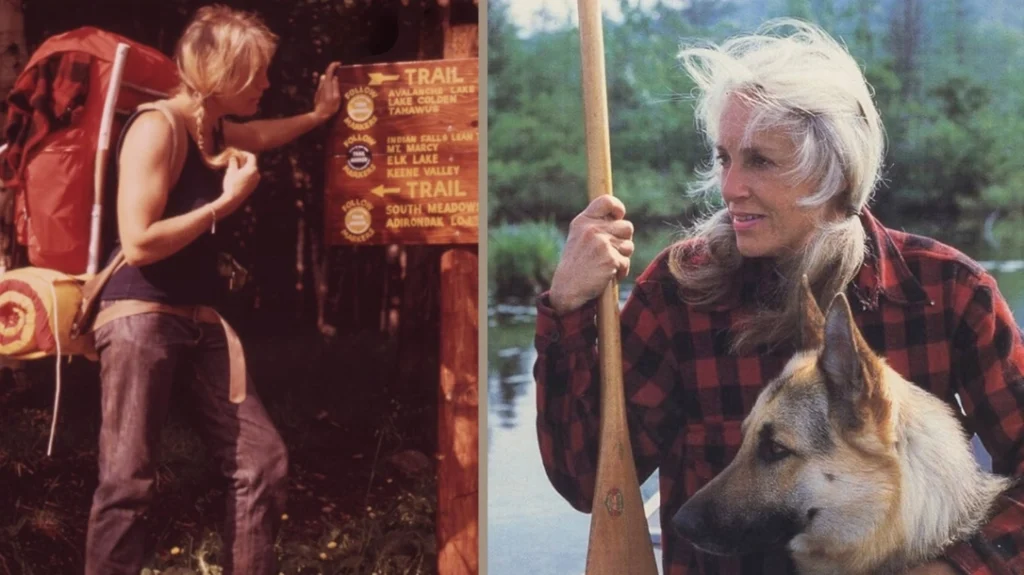
Anne LaBastille was a wildlife ecologist, conservationist, guide, photographer, and writer. She earned a Ph.D. in wildlife ecology from Cornell before carving out a career advocating for conservation while guiding wilderness trips and teaching outdoor skills. Much of her work centered on studying the destructive effects of acid rain and pollution on lakes and wildlife. She authored a dozen books, including her bestselling Woodswoman book series, in which she chronicles life in her off-grid cabin in the Adirondacks.
She freelanced for several wildlife magazines, including Sierra Club and National Geographic. After becoming a licensed New York State Guide in the 1970s, she offered guide services for backpacking and canoe trips into the Adirondacks. She gave wilderness workshops and lectures for over forty years, joined several New York Adirondack Mountains conservation organizations, and was on the Adirondack Park Agency Board of Commissioners for 17 years.
Advertisement — Continue Reading Below
Joan Wulff: The Architect of Modern Fly Casting
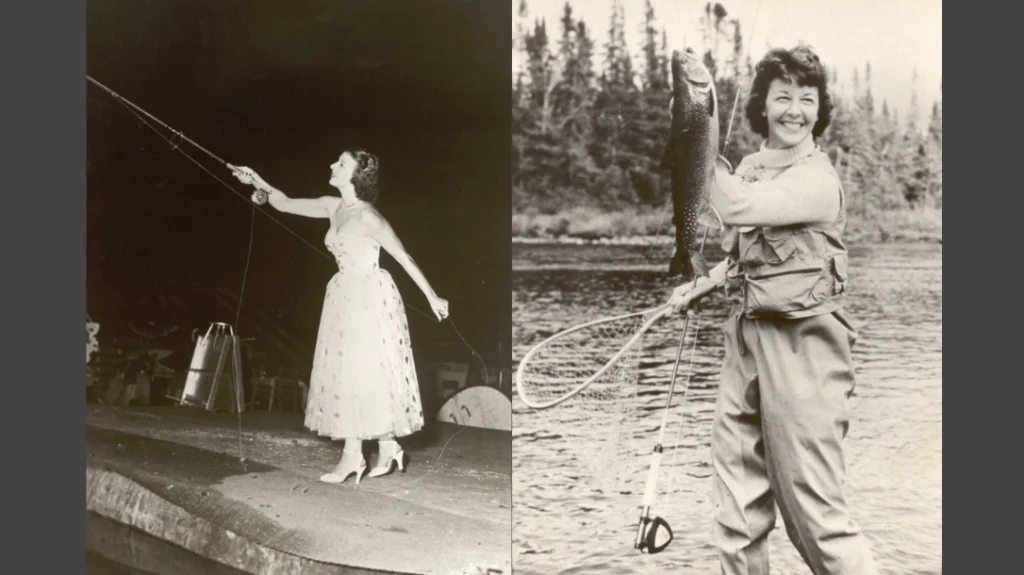
Joan Wulff was involved with fly casting and fly fishing from an early age. Born Joan Salvato in 1926, her dad owned the Paterson Rod and Gun Store and was an avid angler and outdoorsman. He introduced Joan to fly-fishing when she was ten years old.
As a sixteen-year-old in 1943, she claimed the title of Women’s Dry Fly Casting Champion. In the 1950s, she made history as the first female to win the National Fisherman’s Distance Fly Championship. Her dominance of the industry previaled throughout her entire career. She founded the Wulff School of Fly Fishing on New York’s Beaverkill River and wrote several books on fly casting technique.
Wulff is widely considered the architect of modern fly-casting mechanics, shaping the way anglers are taught to cast around the world. In other words, if you fly fish today, you’re probably using techniques she helped pioneer.
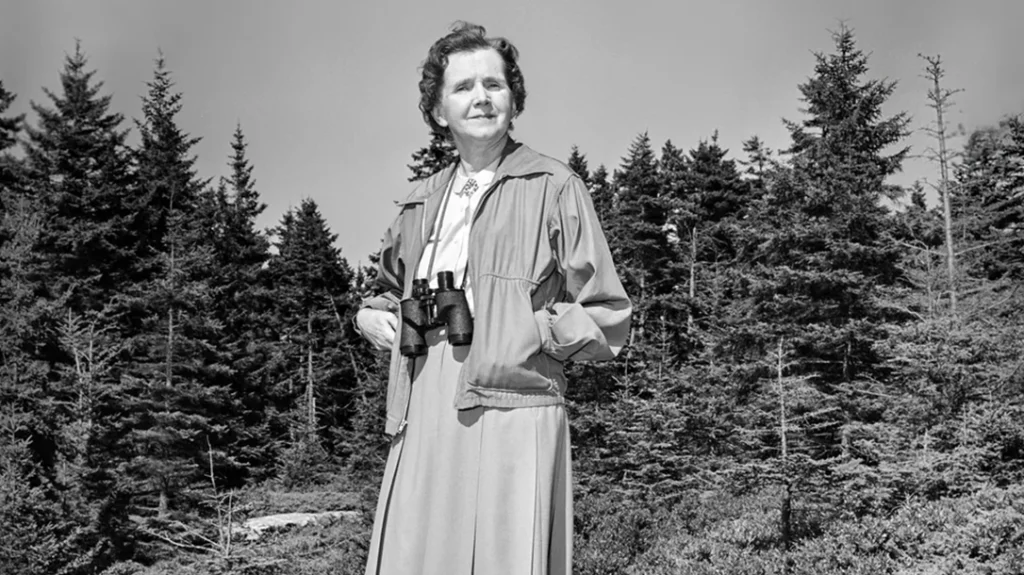
Rachel Carson: The Woman Who Changed Conservation Forever
Advertisement — Continue Reading Below
Rachel Carson’s career widely influenced environmental conservation practices that we still use today, but it wasn’t always easy for her. Her collegiate career began at the Pennsylvania College for Women, now Chatham University. After that she continued her studies in zoology and genetics at Johns Hopkins, where she earned a master’s degree in zooolgy. She had intended to continue her education, but instead directed her resources to supporting her family during the Great Depression.
She held a fifteen-year career in the U. S. Fish and Wildlife Service as a scientist and editor, rising to Editor-in-Chief of all publications. She was also a respected writer, covering marine biology and conservation. Her legacy was soldified by her 1962 publishing of “Silent Spring.” in which she discussed the damaging effects of the indiscriminate use of chemical pesticides on the environment. Her work led to the creation of the U.S. Environmental Protection Agency, and she was posthumously awarded the Presidential Medal of Freedom by President Jimmy Carter.
Women’s History Month
Today, women guide hunts, run charter boats, climb high peaks, lead conservation efforts, and tell the stories that shape not only how we understand the outdoors, but how we interact with it. None of that happened overnight, and none of it appeared out of thin air.
Let us remember Fly Rod Crosby, who wrote about fishing and guiding when few expected a woman to have a place in that world. Or Grace Hudowalski, who quietly proved that the highest summits in the Adirondacks were not reserved for men alone. Or Anne LaBastille, who built a life deep in the wilderness and lived it on her own terms.
Women’s presence in these spaces happened bit by bit, muddy bootprint after muddy bootprint. Because of the women who trudged before, there is space for women to carve thier own paths today.
Advertisement — Continue Reading Below
WHY OUR ARTICLES/REVIEWS DO NOT HAVE AFFILIATE LINKS
Affiliate links create a financial incentive for writers to promote certain products, which can lead to biased recommendations. This blurs the line between genuine advice and marketing, reducing trust in the content.