Many hunters think of tracking as a recovery skill. Something you do after the shot goes wrong. A way to follow blood or broken sign until the work is finished. That view misses the real value of tracking entirely.
Tracking is not primarily about pursuit. It is about awareness, decision-making, and learning to read what the ground and the animal are telling you before you ever raise a weapon. Even when no track is followed, the mindset that tracking builds makes hunters calmer, more deliberate, and more effective in the field.
I have spent years tracking animals, and I have tracked people as well. I have trained land managers, biologists, military, law enforcement, and search-and-rescue professionals in this skill. Across all of those contexts, the lesson is the same. Tracking does not just help you find something. It teaches you how to think.
The Small Details
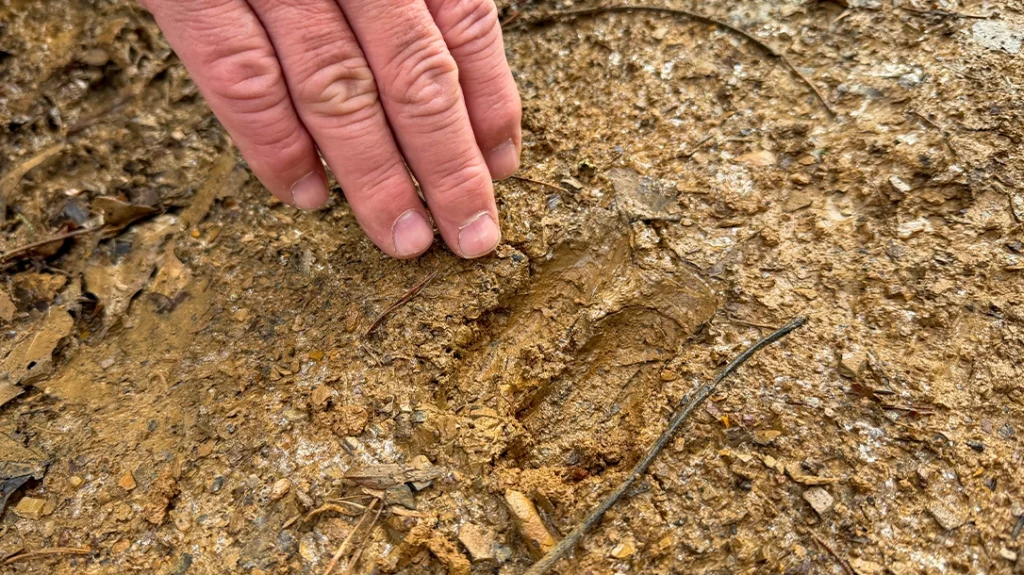
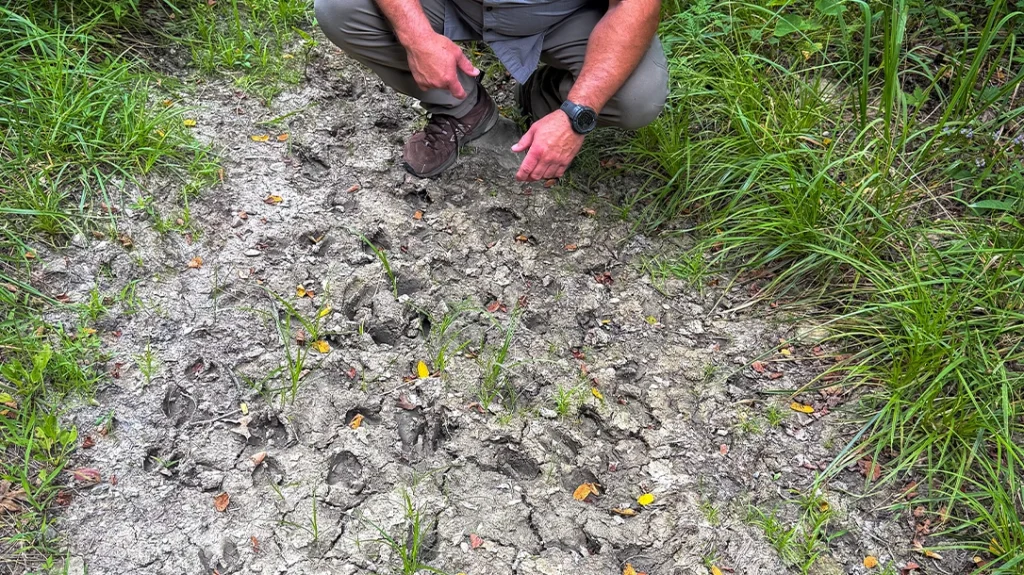
One of the deer I followed taught me that lesson better than any success story ever could. He carried a distinct injury to his right front foot, a mark that made his tracks unmistakable. Over several seasons, I learned where he traveled, where he fed, and where he rested. I never rushed that knowledge. I never forced it. Then one year, his tracks stopped appearing. No sign. No explanation. That absence was information too. Tracking teaches you to accept uncertainty, to notice when patterns break, and to make peace with not knowing everything.
Advertisement — Continue Reading Below
That mindset changes how you hunt long before recovery becomes an issue.
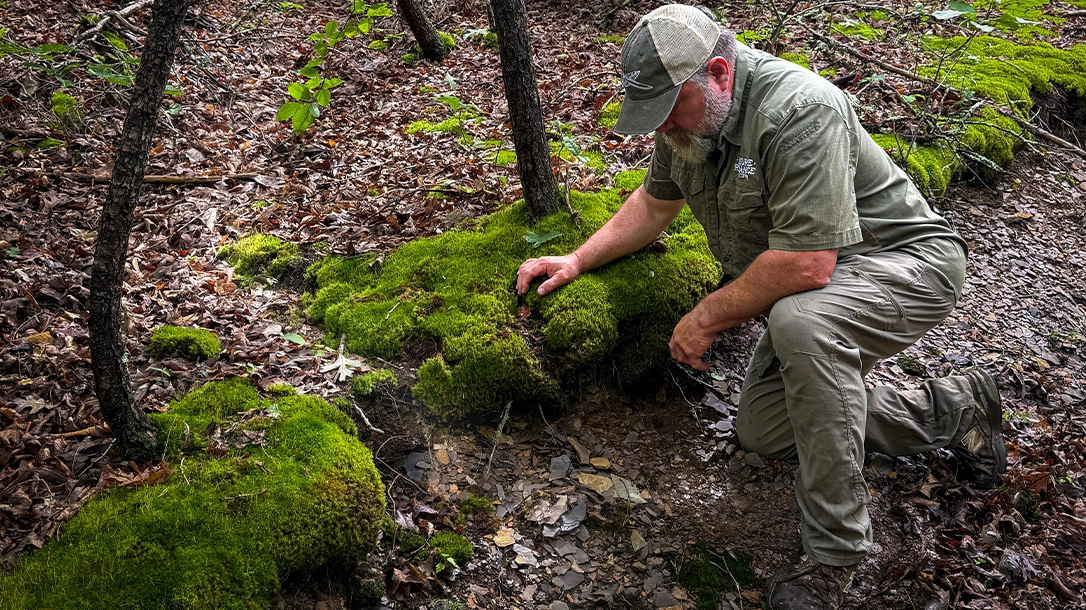
When you track regularly, you stop asking where animals should be and start asking why they move the way they do. You read terrain differently. You’ll notice where food, water, and shelter converge. You pay attention to edge habitat and transition zones where animals linger and travel. You recognize travel corridors instead of guessing at them. That understanding leads to better stand placement, smarter stalk routes, and fewer rushed decisions.
Buillding a Better Hunter
Tracking forces honesty. The ground does not lie, but it also does not fill in gaps for you. You learn quickly that projecting your hopes onto sign only leads to mistakes. That honesty carries over to shot selection. A hunter who has learned to read sign without embellishment is less likely to force a marginal opportunity or convince himself a bad angle is good enough.
It also builds patience. Anyone who has spent time on a track line knows how much of the work involves waiting, relocating sign, and slowing down. That patience translates directly to hunting discipline. You wait longer and move less. Let the animals come to you instead of pushing them out of range. You accept that doing nothing is sometimes the correct decision.
Advertisement — Continue Reading Below
Humility follows naturally. Tracking teaches you that you are not in control of the outcome. You are only responsible for how well you interpret the information in front of you. That humility keeps hunters from rushing shots, pressing into poor conditions, or chasing outcomes that are no longer ethical or realistic.
Tracking Sharpens Senses
Even the small rules of tracking reinforce better hunting behavior. You learn not to walk on a track line because destroying information makes everything harder. You learn to maintain situational awareness and navigation because fixation leads to mistakes. Those habits carry over to recovery as well. When an animal is hit, a hunter trained in tracking knows when to slow down, when to back out, and when to push forward will only make things worse.
Tracking sharpens all of the senses. It teaches you to notice sound, wind, pressure, and subtle disturbance. You become attuned to what does not belong as much as what does. That heightened awareness shows up when you are glassing, still-hunting, or sitting quietly on stand. You are no longer waiting passively. You are constantly interpreting.
Technology has changed hunting, and some of it has undeniable value. Tracking dogs and aerial tools can assist in recovery when conditions allow. But tracking as a human skill predates all of that by thousands of years for a reason. It develops judgment rather than dependence. It works anywhere and requires no batteries. And it makes hunters better even when nothing is being followed.
The Benefits of Tracking Skills
The greatest benefit of tracking is not that it helps you find an animal. It is that it teaches restraint. It teaches placement and when not to act. Hunters who understand sign move through the woods with quieter confidence. They make fewer guesses and take fewer chances. They accept that ethical outcomes begin long before a shot is fired.
Advertisement — Continue Reading Below
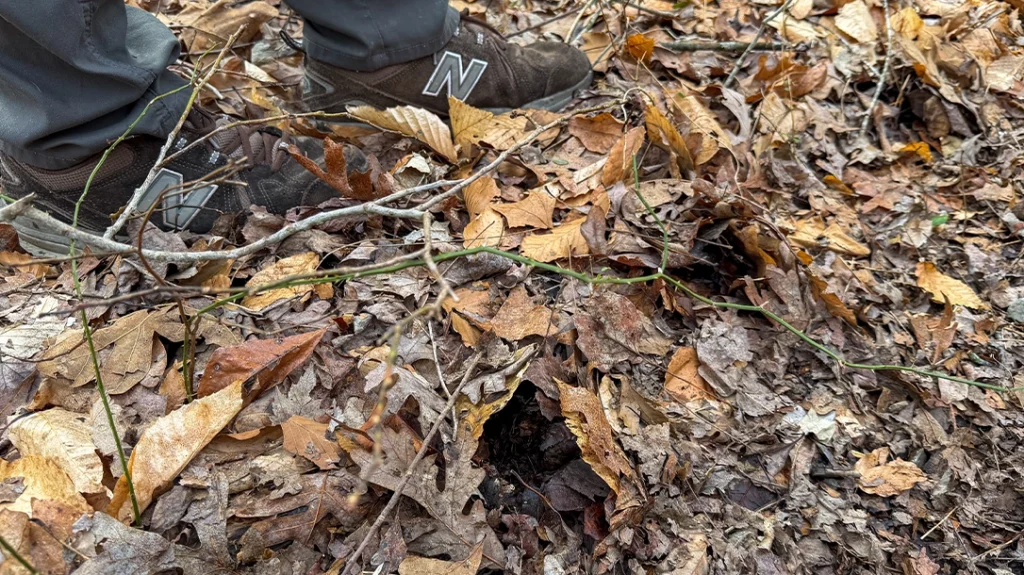
Tracking is not an ancient relic. It is a living skill that sharpens judgment, reinforces responsibility, and connects modern hunters to a deeper understanding of the land they move through. You do not have to follow a track to benefit from it. You only have to learn how to read what the ground is already telling you.
That kind of competence is worth carrying forward.
WHY OUR ARTICLES/REVIEWS DO NOT HAVE AFFILIATE LINKS
Affiliate links create a financial incentive for writers to promote certain products, which can lead to biased recommendations. This blurs the line between genuine advice and marketing, reducing trust in the content.