Five years ago, on a dusty off-road trek down Mexico’s Baja peninsula, we plugged into the sun for the first time. A portable power station kept our electronics humming and our electric cooler cold, miles from the nearest outlet. It felt like a small miracle and it permanently changed the way we camp.
Since then, the technology has evolved at a breakneck pace. Prices have dropped. Batteries have gotten safer and more efficient. Inverters have grown more powerful. My partner and I have tested dozens of models along the way: from ultralight units small enough for backpacking to heavy-duty systems capable of running a camper or backing up a home.
Along the way we have learned a lot about reliability, battery chemistry, inverter sizing, and the features that actually matter. Here are the power stations we trust most right now.
How to Choose A Portable Power Station
- Capacity: measured in watt-hours (Wh), this is how much battery power it holds. The smallest ones are around 300Wh, which is enough to charge a laptop a few times. On the larger end, the 8,000Wh in our camper meets all of our needs for a few days, including an electric cooler and intermittent Starlink, but no air conditioner or heater. Here’s how to calculate your watt-hour needs.
Pro-tip: Purchase more watt-hours than you think you’ll need. The inverters alone can eat up 10% to 20% of the battery capacity, plus on their websites, manufacturers’ are notorious for overstating how long a power station will run various devices under real-world conditions.
Advertisement — Continue Reading Below
- Inverter size: rated in watts (W), the inverter determines how powerful of an appliance or tool you can run. A laptop might use 60 to 100W, whereas the coffee maker might be 1,000W or more. If you want to run more than personal electronics, for example power tools or a microwave, you’ll want to look up their specific wattage draws, but a versatile bet is 1,600W or more.
- Battery chemistry: Most power stations now use lithium-iron-phosphate chemistry (aka LFP, LiPo, LiFePO4) batteries, but not all, so definitely double-check. LFPs are much safer from thermal runaways and last for more charge cycles than the older NMC (lithium-ion) technology. A few companies are now also offering semi-solid state, solid-state and even sodium-ion tech. The first two are even safer and lighter than LFP. Sodium-ion is more eco-friendly, but heavier and bulkier.
- Charging speed: You can recharge most power stations via a wall outlet (AC), solar panels (DC), gas-powered generator or 12-volt car lighter socket (DC). Some also have kits to charge from a car alternator. However, recharge speeds vary widely. If recharging quickly is vital, look for models with ample solar input and 1,800W wall-power speeds, which is as fast as you can get from a 15-amp outlet.
- Solar generator: This term is simply marketing lingo for a power station that’s sold in a bundle with solar panels. Tip: When calculating how much solar you need, remember that panels rarely receive input at their max capacity (so a 100W panel might only take in 80W or 90W, even on a bluebird day.)
- Receptacles: common outlets on power stations include AC (wall socket), 12V car (lighter), USB-C and USB-A. Some also have USB-C PD (fast-charing), Qi wireless charging surfaces, 30-amp (AC or direct DC) and/or TT-30 port (for RVs), and 240-volt (for EVs).
- App control: some power stations are app controlled, which can be useful to track power usage and battery health, switch to eco-mode and control other features.
- Portability and weight: Power stations range from six or so pounds up to 150, so consider what you can safely carry. Look for ergonomic handles, and on the larger models, wheels and pull handles.
- Expansion batteries: some models offer these, and they’re a great option if you outgrow your watt-hour needs. They’re also handy for excursions that require less power, so you don’t have to lug all of your watt-hours around all of the time.
- Company reputation and warranty: Power stations do break sometimes, so opt for brands with US-based support. Also, if the website/packaging isn’t clear about the battery composition, watt-hours and inverter size, they’re likely being deceptive.
- Price: most power stations have dropped below $1 per watt-hour. Brands also offer crazy sales, usually during Amazon Prime days, Black Friday, Memorial Day, etc.
Power Station Roundup
Based on our field testing, these power station brands and models are among our most trusted.
Small (under 900Wh)
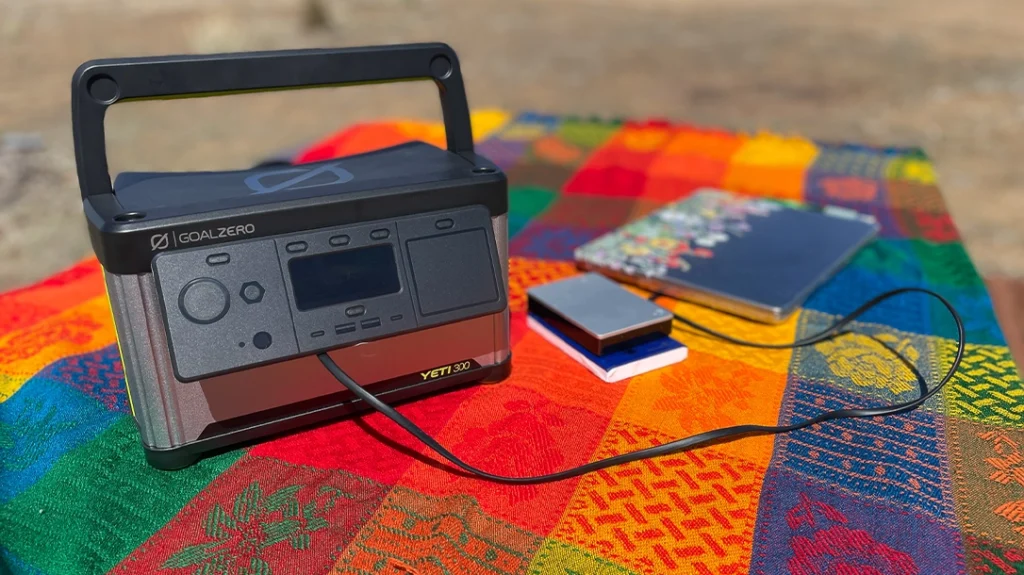
Goal Zero Yeti 300 and Yeti 700: tons of features packed into a modest size. High output, IPX4 weather rating, solar compatible, fast recharge. Cons: weatherproof cover is one piece, so when you open it, you expose all of the outlets.
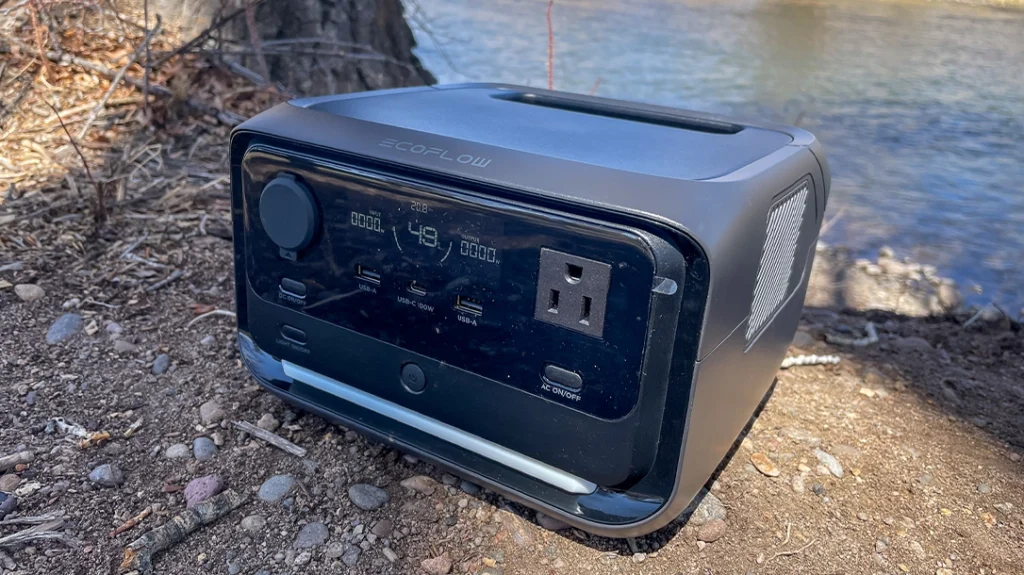
EcoFlow River 3 Plus: high-quality, yet budget buy. 286Wh, high output, high solar input, expandable, UPS capable, water-resistant. Con: could use more USB-C ports.
Anker C300: great backpacking option. Light and compact, solar compatible, built-in camp lantern, many USB-C outlets, carry/hang strap, 288 Wh. Cons: No AC outlet, slow wall charging.
Advertisement — Continue Reading Below
Bluetti Handsfree 2 Backpack: for outdoor photographers and other remote location activities. Charge devices while you hike, 514Wh, 60L padded storage, IPX4 rating, rugged and comfortable pack. Con: No 12-V charging port.
Medium (900-3000Wh)
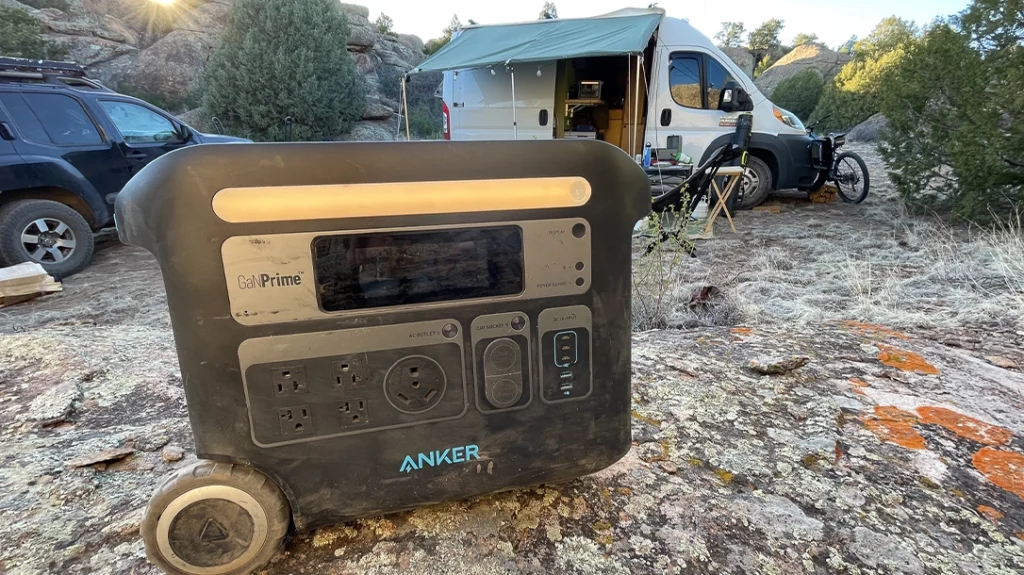
Anker Solix C1000 Gen 2, Solix C2000 Gen 2 and Solix F2000: excellent functionality, reliability and versatility. Fast charging, large inverters, expandable. F2000 also uses GaN charging tech, and wheels that work well on rough surfaces. Con: bulky expansion cables.
EcoFlow Delta 3 Max: A great compact power station that can handle heavier power-draw appliances and tools (2000Wh with 3000W inverter). High output, expandable, fast charging. Cons: little low on ports.
BougeRV’s Rover2000: one of the few power stations using semi-solid-state battery tech, making it lightweight for its class. High solar input, decent price, expandable, safe technology. Cons: no 30-amp outlet, loud fans.
Advertisement — Continue Reading Below
Dabbsson 2000L: super affordable option with a semi-solid-state battery. Lightweight, fast charging, compact. Cons: reviewers report poor customer support, plus overcharging/overheating issues under pass-through mode (because there’s no AC input limit).
Yoshino Power B4000 SST: the only solid-state battery on the market (that we know of), it’s super safe from thermal runaways, plus lighter weight. High output (4,000W), GaN technology, expandable, Qi phone charging, stylish. Also comes in smaller models. Con: could benefit from wheels, with its size.
Bluetti Pioneer Na (Sodium): touted as world’s first sodium-ion battery. More eco-friendly than lithium-based models, functions in colder temperatures and lives up to Bluetti’s stellar reputation. Cons: sodium-ion has less energy density, making this a bit heavier and bulkier.
Large (3000Wh+)
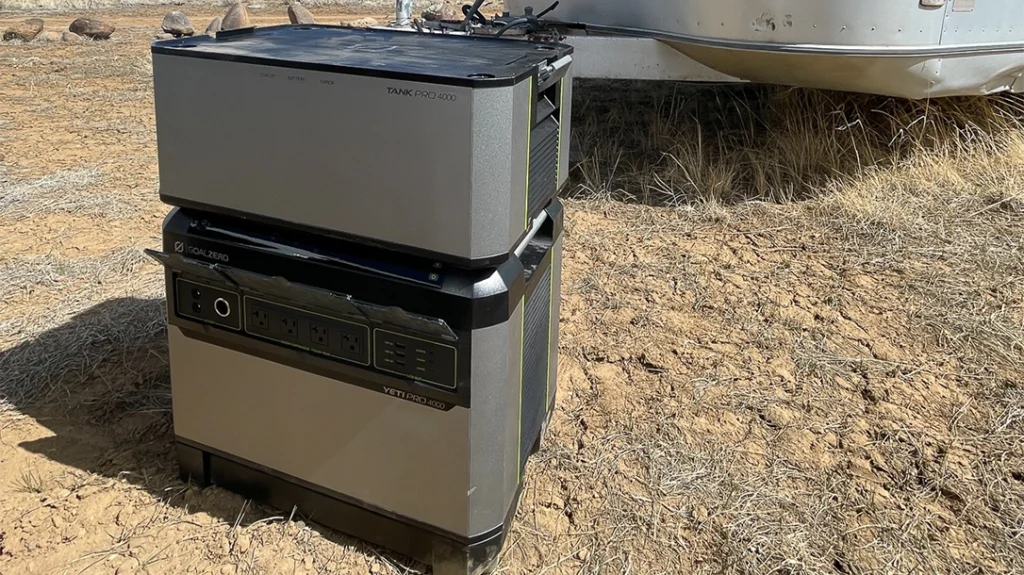
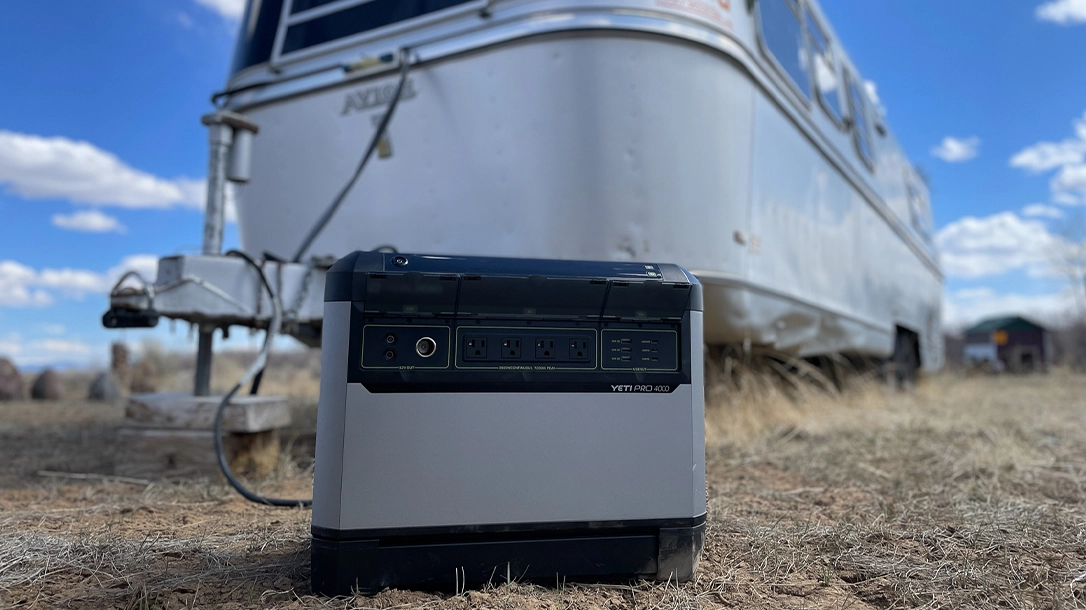
Goal Zero Yeti Pro 4000: we power our camper with this, plus an expansion battery. Fast solar charging, optional van/camper integration kit. Con: small wheels are difficult in dirt.
Advertisement — Continue Reading Below
Bluetti Elite 300: ultra compact and light for its class. Charges quickly from both wall and solar inputs. Comes with a TT-30 outlet for van and camper integration. Cons: not expandable.
Anker Solix F3800: my partner powers his workshop with this. It even has a 240V outlet for welding and EV charging. Massive inverter, vertical design, easy to roll, home-integration backup capabilities, vastly expandable, good choice for RVs and campers. Con: top-heavy.
Electric Cooler Roundup
Owning a power station opens the door to electric coolers, and it’s easy to get hooked on the convenience of not having to drain water, replenish ice and sacrifice soggy food.
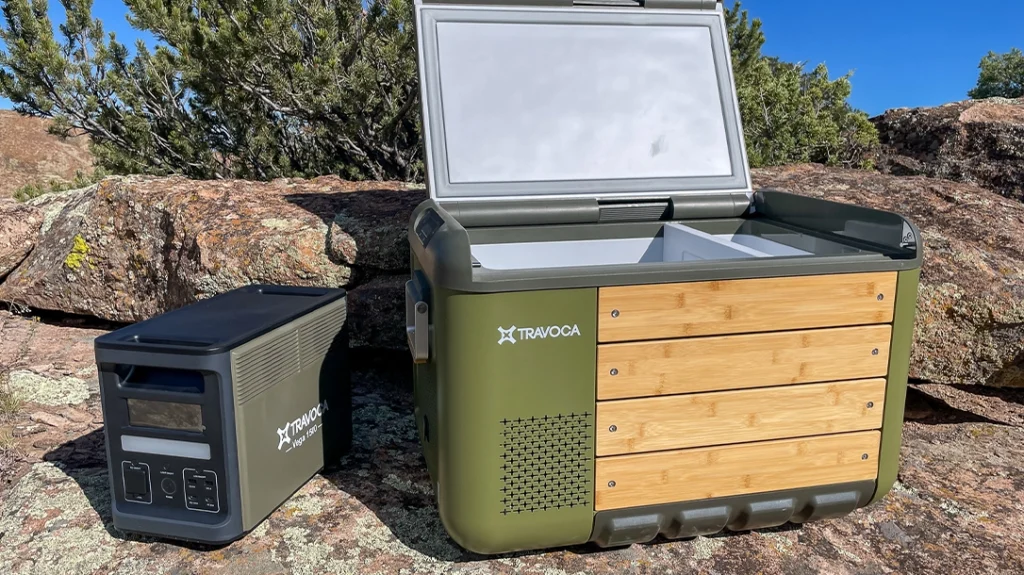
The following are our favorites. They all have quality compressors (which means they draw minimal power), and most come in various sizes, plus offer dual-zone models, meaning they also have freezers.
Advertisement — Continue Reading Below
- Travaco Rigel Dual Zone Ecooler: removable divider (ideal for fitting a big fish or a rack of ribs), stylish.
- Goal Zero Alta Series: eco-friendly refrigerant, comes with insulated cover.
- Anker EverFrost: large wheels and pull handle for easy transport over rough surfaces, built-in battery and cutting board.
- Bluetti MultiCooler: Power station “ecosystem” includes swappable built-in battery packs, also ice maker, wheels and pull handle.
- BougeRV Rocky Series: removable divider, built-in battery, lighter weight.
WHY OUR ARTICLES/REVIEWS DO NOT HAVE AFFILIATE LINKS
Affiliate links create a financial incentive for writers to promote certain products, which can lead to biased recommendations. This blurs the line between genuine advice and marketing, reducing trust in the content.