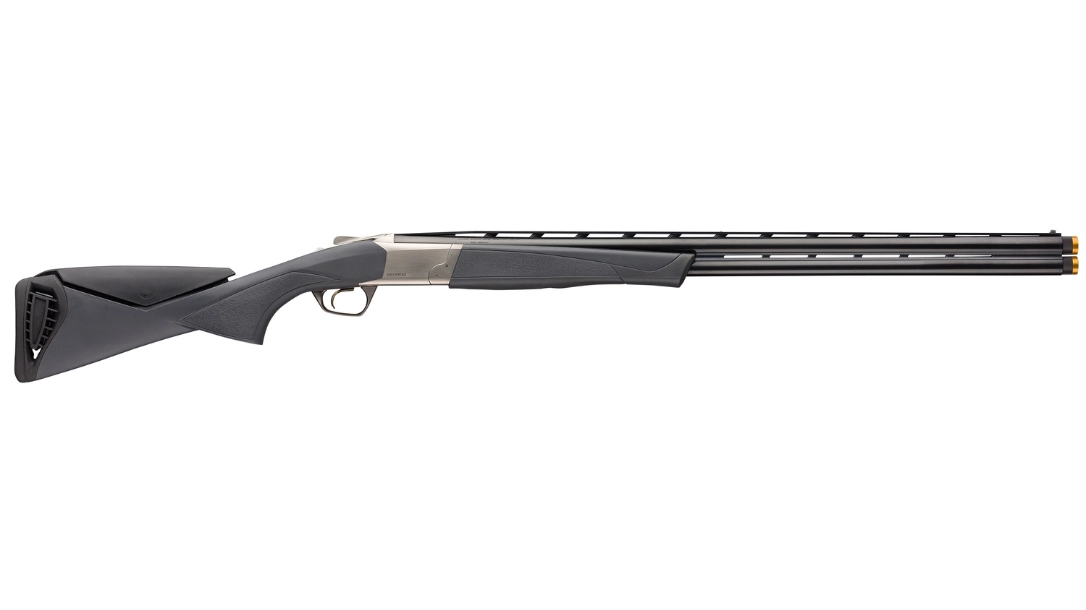
In this article, we are going to break down some firearm anatomy. We’re talking stocks. Synthetic stocks, specifically. The stock on a firearm is the handle and support portion of the firearm. It forms the base part that you hold against your shoulder and grip with your hands. They can be made from wood, a natural material, or from man-made materials, such as plastic, fiberglass, or polymer.
Early Synthetic Stocks
Synthetic stocks have been around for decades. One of the first ones I recall was a Savage; a single barrel with a tenite stock. It was hollow and lightweight. Tenite stocks first appeared in the late 40s and were one of the first synthetic stocks ever produced, however, tenite proved to degrade over time and not to be a suitable material for gunstocks.
When the Nylon 66 was introduced in 1959 it was light years ahead of its time. It was a polymer developed by the then parent company of Remington, Dupont. It was a success selling more than 1 million units in its 32-year run. But not everyone cared for these “plastic” guns.
Synthetic Stocks in a Nutshell
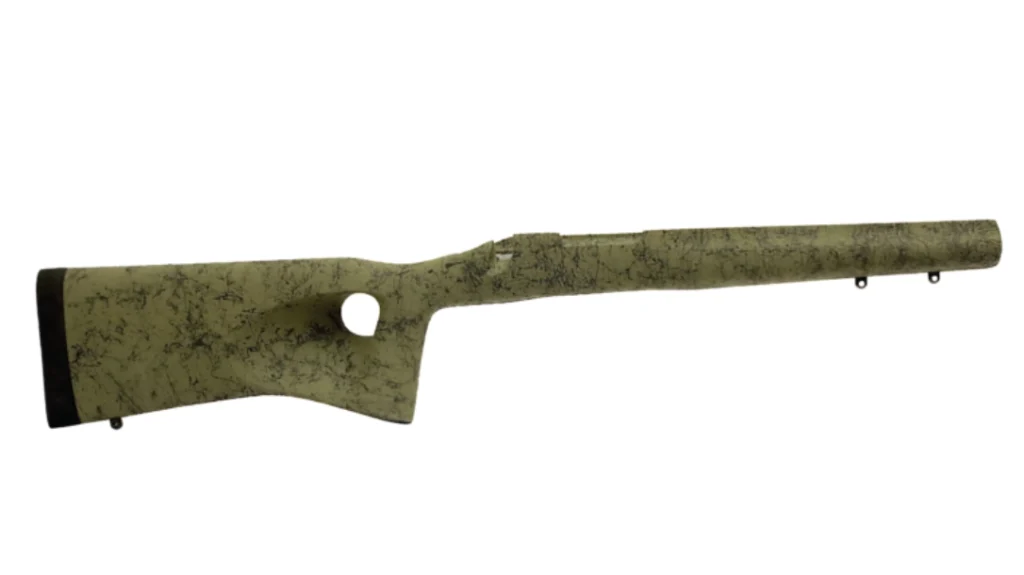
These days, synthetic stocks are typically made with one of three materials: polymer (plastic), fiberglass, or carbon fiber. These materials create a rugged, low-maintenance, all-weather gun stock, which is great for hunters who are out in rough conditions. While wooden stocks present a traditional look and feel, they can warp over time, especially when exposed to harsh outdoor elements. Synthetic stocks look modern and are more durable and weatherproof. They do not absorb water or scents, like wood does. They are typically lighter in weight and can be produced more economically.
Advertisement — Continue Reading Below
Pros and Cons
Synthetic stocks are for the most part more weather resistant than wood stocks. They also stand up to dings and scratches better than wood. Once a wood stock is dented or scratched it can only be stripped and refinished to bring it back to like-new condition.
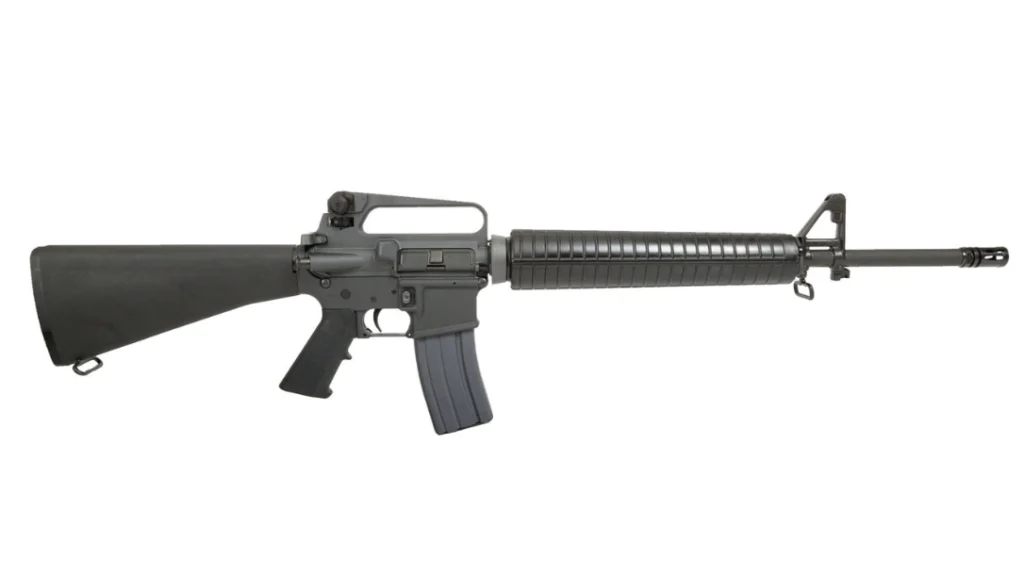
A fiberglass stock can be repainted or if cracked can be repaired with epoxy in the area only where the repair is needed. Early on injection molded stocks were available in as many colors as Henry Ford said about his model T automobile “any color you want as long as it’s black.” With today’s advancement of paints and coatings, polymer stocks can be in any color imaginable even camo dipped. The injection molded stocks are very utilitarian.
Different Kinds of Synthetic Stocks
There are two types of synthetic stocks in today’s market: polymer, or injection molded, and hand laid fiberglass or carbon fiber. There are some similarities in production; both stocks use a mold and in today’s production both are held together by pressure.
Polymer
Injection molded stocks can be found on nearly every manufacturer from rifles to shotguns even some higher-grade shotguns now offer injection molded sticks on some of their offerings.
Advertisement — Continue Reading Below
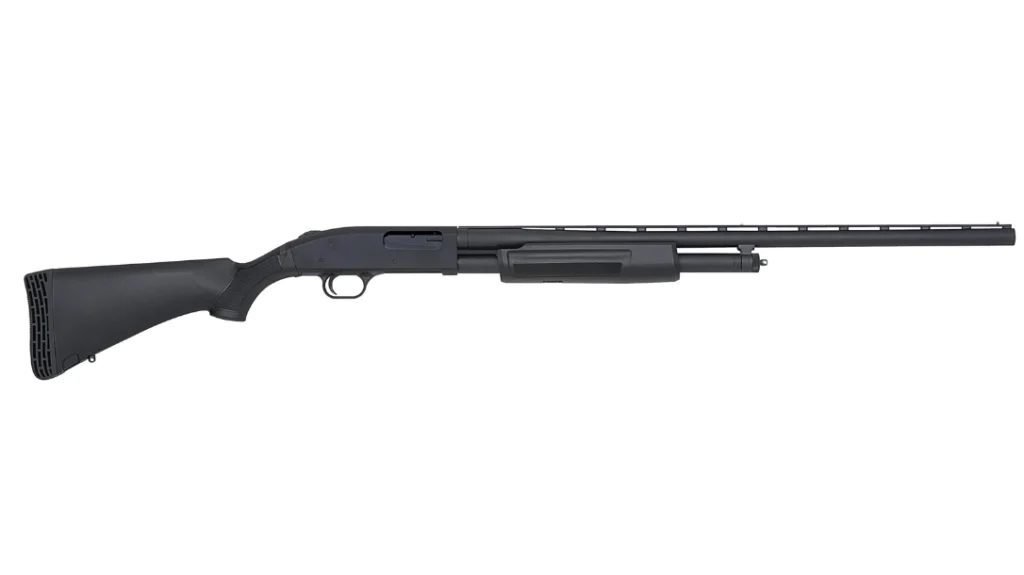
The injection molded stocks are inexpensive to produce after the initial mold is built but the mold lasts for many years. This mold is two parts and is held together under pressure then the heated polymer is injected into the mold. Once it is properly cooled, the mold can be separated, and the nearly finished part can be removed. Little finish work is needed short of installing recoil pads and sling swivel studs. These stocks are cost reducing to the manufacturer keeping the overall price of the firearms in certain ranges for the consumer.
Injection molded stocks are best for budget rifles, beginners, casual hunters, or anyone who wants something durable without spending extra. It gets the job done, but it’s basic.
Fiberglass/Carbon Fiber
The first fiberglass stocks were pioneered by Chet Brown and Lee Six in the late 60s. These were hand laid strips of fiberglass cloth wetted with an epoxy into a mold. As far as quality goes, the hand laid fiberglass stocks surpass the much cheaper injection molded stocks. Several manufacturers offer not just hand laid fiberglass stocks but many offer carbon fiber, Kevlar and other high-tech materials. Carbon fiber is used for lightweight stocks whereas Kevlar is used for its reputation of being neatly indestructible.
How Fiberglass & Carbon Fiber Stocks are Produced
After the hand laid stock is cured, it is removed from the mold. The shell of the stock is filled with a lightweight epoxy based putty which hardens and the stock is put into a CNC milling machine to have the inletting cut to match the barreled action.
Advertisement — Continue Reading Below
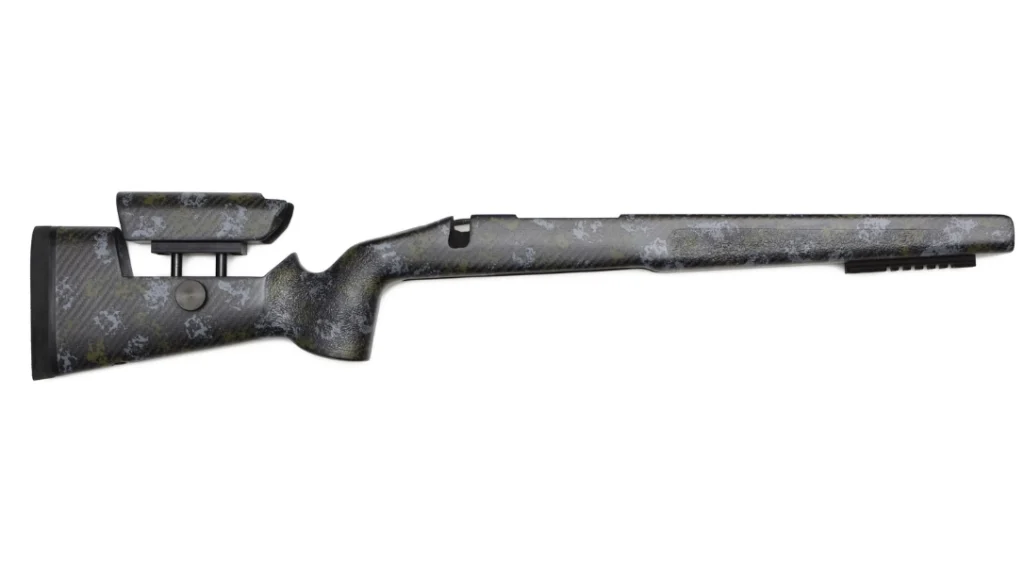
Most fiberglass stocks are made in array of designs and shapes and inletted for all kinds of different rifles. Many fiberglass stocks are molded with aluminum bedding blocks into the hand laid synthetic stocks. This ensures a positive bedding platform for the action keeping it stable which helps with accuracy of the rifle. These hand laid stocks are much more rigid than the injection molded stocks. A look at the winner’s circle at benchrest shoots will show fiberglass/carbon fiber stocks nearly always at the top of the winner’s podium, a testament to the rigidity of these stocks.
The woven carbon fibers in resin technology is the same method used in race cars and aerospace parts. It produces a gun stock that is extremely light, extremely stiff, and performs beautifully. For basic beginner hunters, this option might be overkill. They are high performance and higher on the price scale as well.
Conclusions
Fiberglass/carbon fiber stocks are tough and rigid but also are costly. They are labor intensive which drives up the price of these stocks. Not all fiberglass/carbon fiber stocks are created equal. There are many good manufacturers, however there are some where the injection molded stock is just as good and much more affordable. It pays to do your research when choosing a hand laid fiberglass synthetic rifle stock.
Quick Comparison
| Material | Weight | Strength | Cost | Feel |
|---|---|---|---|---|
| Polymer | Light | Fair | $ | Basic |
| Fiberglass | Medium | Very good | $$ | Solid |
| Carbon Fiber | Very light | Excellent | $$$ | Premium |
Advertisement — Continue Reading Below
WHY OUR ARTICLES/REVIEWS DO NOT HAVE AFFILIATE LINKS
Affiliate links create a financial incentive for writers to promote certain products, which can lead to biased recommendations. This blurs the line between genuine advice and marketing, reducing trust in the content.