Spring food plots aren’t about hope. They’re about timing. Every year I see guys get the itch the first 60-degree day in March. They hook up the ATV and spreader fill it full of seed and get to work. Sometimes it works. But more times than not it doesn’t, or at least not to its full potential. Spring planting across the Midwest is a narrow window game and if you miss it, you’re fighting cold soil, stunted growth, or seeds that never see the light of day.
The truth is spring planting is just as much about soil temperature, moisture, and frost risk as it is about what’s printed on the seed bag. When you get these factors working together, you’re not just growing green forage, you’re rebuilding a deer herd coming out of winter stress. And that matters more to the deer than you might think.
Why Spring Plots Are Critical for Midwest Deer
By the time March rolls around, deer across the Midwest are running on fumes. Bucks have burned fat reserves through the rut and late-season survival. Does are entering the final stretch of pregnancy, and body weights are at their lowest point of the year.
Native browse is slow to respond, especially after harsh winters or lingering snow. Early green growth is limited this time of year. This is where a well-timed spring plot makes a world of difference. When you establish high-quality forage in April and early May, you’re giving deer digestible protein right when it matters most. This is when antler growth begins, and fawns are developing, it’s not about attraction at that point. It’s about recovery.
Advertisement — Continue Reading Below
That’s why I lean toward diverse blends of seed from companies like Rakk Fuel. Their seed mixes are built around nutrient density and soil performance, not just tonnage. A spring blend that combines clover, oats, brassicas, and radishes creates both immediate forage and long-term soil health. But none of this matters if you plant at the wrong time.
Reading the Spring Planting Window
Across most of the Midwest whether you’re in southern Illinois, central Missouri, Iowa, Ohio, or Indiana spring planting typically opens somewhere between late March and early May. The exact timing depends on location and weather patterns, but the key isn’t the calendar. It’s the soil.
- Here’s what I look for as a planting window:
- Soil temps consistently in the 40–50°F range for clovers and oats
- Mid-50s and climbing for brassicas and radishes.
- Adequate surface moisture
- No hard frost risk in the extended forecast
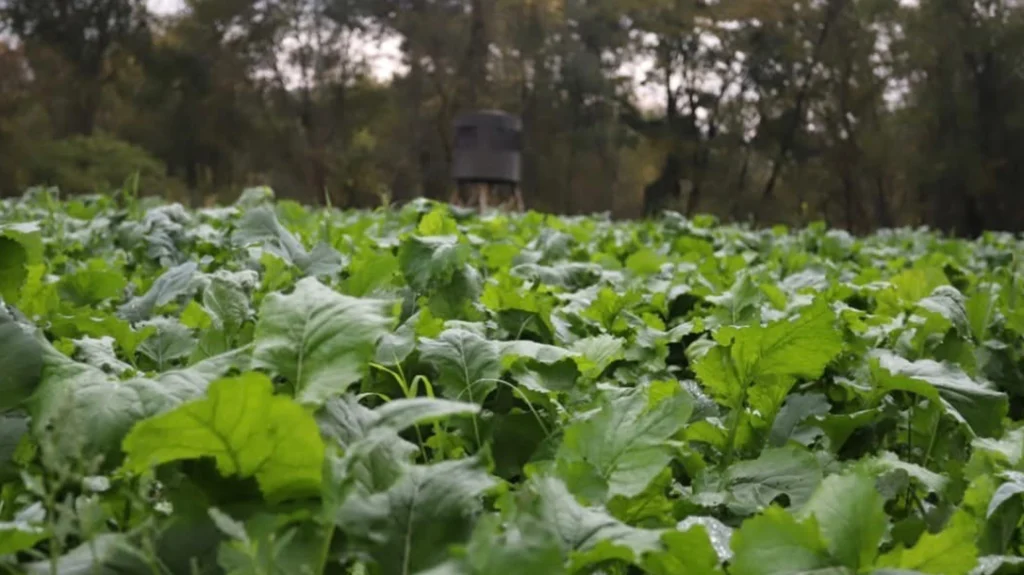
Cold soil slows germination. Saturated ground can cause seed rot. And a hard frost after emergence can set young plants back significantly. It’s a great idea to carry a soil thermometer in your truck or side by side this time of year. It’s a simple tool that keeps you from guessing.
Clovers: The Early Anchor
If there’s a foundation crop for spring, it’s clover, and Rakk Fuels Own the Season is a hard blend to beat. Clover handles cold soil better than most species and can be planted as soon as soil temps push into the low 40s. In a lot of Midwest states, that means late March or early April is fair game. Clover provides steady protein through spring and into summer. It fixes nitrogen, improves soil health, and creates a long-term forage base.
Advertisement — Continue Reading Below
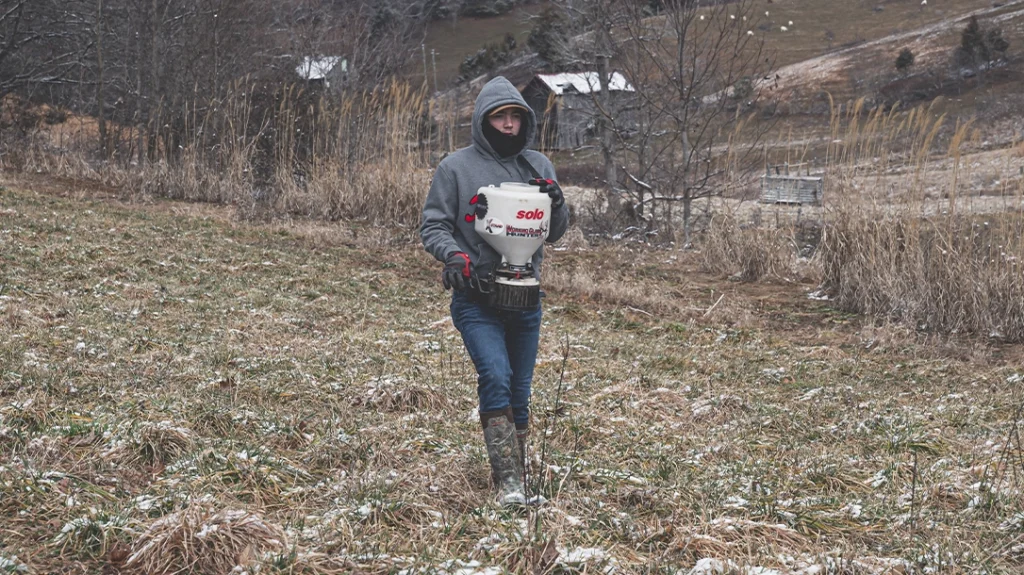
Spring moisture works in your favor here. Broadcasting clover with a quality spreader such as a Hooyman seed spreader allows evenly dispersed coverage over prepared ground. One of my go-to methods this time of year is to frost-seed clover into existing plots and logging roads. Smaller seeds requires precise distribution, and adjustable flow settings make a big difference. Remember clover isn’t flashy, but it carries your herd through the most nutritionally demanding time of year.
Oats: Quick Green Recovery
Oats are the sprinter of spring plots. Once soil temps hit the mid-40s, oats germinate fast. Under good moisture conditions, you’ll see green in less than a week. That quick emergence is important because it provides immediate digestible forage when deer are actively searching for new growth. Oats also help stabilize soil and suppress early weeds.
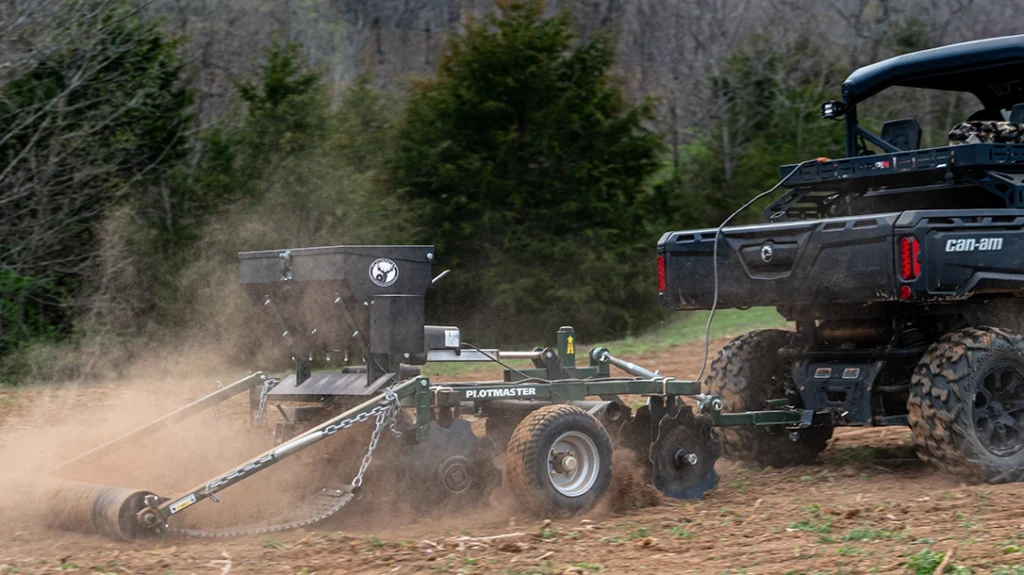
Broadcasting oats is efficient and simple, especially in small kill plots or transition areas. For larger acreage, stepping up to a drill provides even more precision. If I’m working a bigger field, I prefer planting with a Plotmaster drill. It ensures consistent seed depth and better soil contact, especially in slightly drier conditions. Oats don’t need to be planted deep, but uniformity pays off in even growth.
Radishes: Soil Builders with Benefits
Radishes are often labeled as a fall crop, but spring radishes play a key role in soil improvement and early forage production. When planted once soils reach around 50°F, radishes develop aggressive taproots that break up compaction and improve moisture infiltration. In the Midwest clay soils, that matters more than most people realize.
The leafy tops provide high-quality forage early. The root structure conditions the soil for summer growth and future plantings. In the Tombstone blend, radishes add diversity that benefits both deer and dirt.
Advertisement — Continue Reading Below
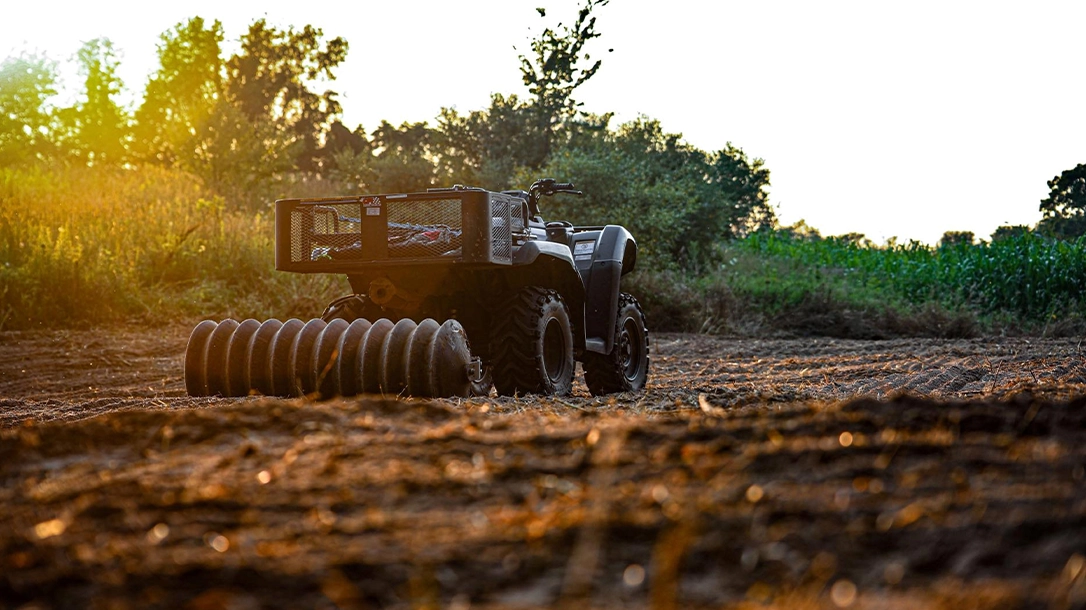
For broadcasting, even distribution is critical because radish seed is small. The Hooyman spreader allows you to dial in flow rates to avoid over-seeding. If conditions are right and you want maximum establishment, using a Plotmaster drill followed by a cultipacker ensures optimal seed-to-soil contact. That final pass with a cultipacker firms the soil surface and improves germination consistency.
Brassicas: Patience Pays
Brassicas require more patience in spring. They prefer soil temperatures consistently in the mid-50s. Plant too early, and they stall. Plant at the right time, and they explode with leafy growth that deer will key in on. Spring brassicas may not produce the massive bulbs you see in fall, but their leafy forage is highly digestible and protein rich. They complement clover and oats perfectly, offering diversity in both texture and nutrition. Don’t be afraid to mix two different seed blends together to create a buffet of sorts.
Again, timing is everything. Watch the forecast. Make sure frost risk is minimal. Then plant. Using a drill for brassicas ensures proper depth and spacing. A light cultipacker pass afterward locks in moisture and promotes even emergence.
Broadcasting vs. Drilling: Choosing the Right Approach
Spring planting is one of the best times to broadcast seed because natural rainfall and freeze-thaw cycles help incorporate seed into the soil. For smaller plots, logging roads, staging areas, or hard-to-access timber openings, broadcasting with a seed spreader is efficient and practical.
However, if you’re planting larger acreage or want maximum efficiency from premium seed blends, drilling provides measurable advantages. Consistent depth, even spacing, and improved seed-to-soil contact result in stronger, more uniform stands. A drill paired with a cultipacker gives you professional-level results without overcomplicating the process.
Advertisement — Continue Reading Below
Setting the Stage for the Entire Season
Spring food plots aren’t about antler inches in October. They’re about body recovery in April. When deer enter summer unstressed, everything improves including antler growth, fawn survival, and overall herd health. This momentum will carry into the fall.
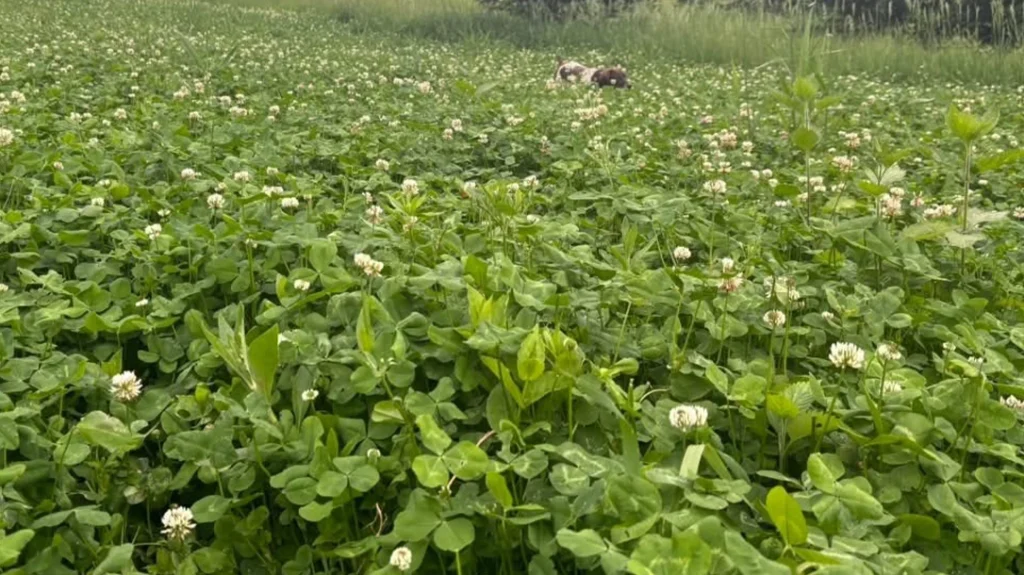
A well-timed planting window combined with a balanced, nutrient-dense blend creates consistent forage availability from early green-up into mid-summer. Clover stabilizes the base, oats jumpstart growth, radishes improve soil, and Brassicas add high-quality leaf forage.
But it all comes back to timing. Pay attention to soil temps. Watch the moisture. Respect frost risk. Use the right equipment for the job and get maximum results. Spring doesn’t give you a wide margin for error. But when you hit the window just right, you’re not just planting seed, you’re setting the stage for the entire whitetail season.
WHY OUR ARTICLES/REVIEWS DO NOT HAVE AFFILIATE LINKS
Affiliate links create a financial incentive for writers to promote certain products, which can lead to biased recommendations. This blurs the line between genuine advice and marketing, reducing trust in the content.
Advertisement — Continue Reading Below