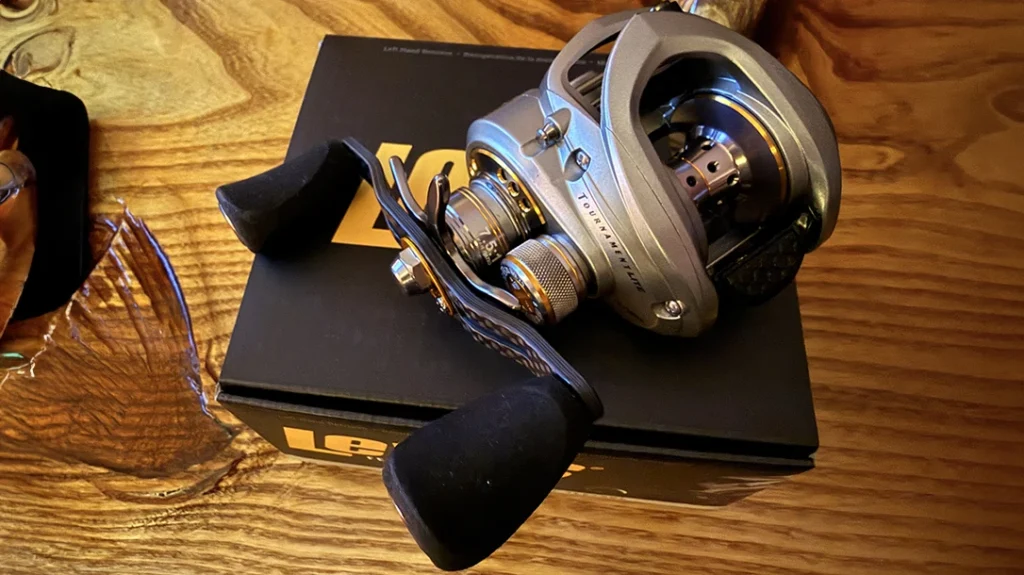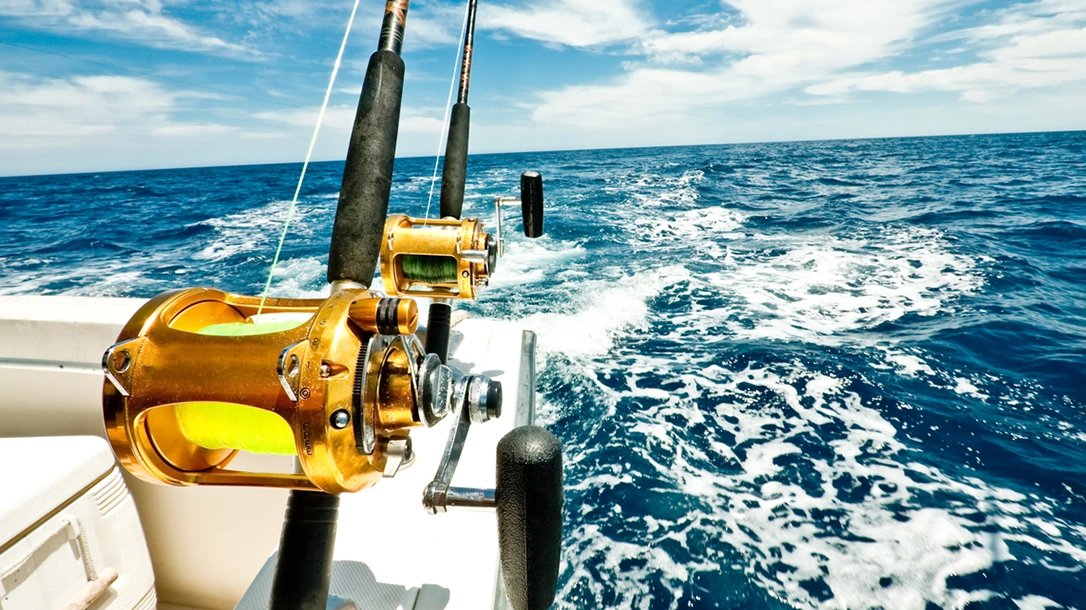
Imagine this: you have made plans to go fishing with a buddy after a long winter. You are stoked to get back out on the open water. You go for your gear, but stop abruptly when you notice it is all corroded and ruined from not being properly maintained. What a bummer.
It is important to clean saltwater fishing gear after every trip to ward off corrosion. Most anglers will simply rinse their gear off after each use with fresh water. Some go the extra step and give the gear a thorough cleaning with a soapy rag. Others use products like Salts Gone or Salt Away and give their rod and reel a quick sprits to remove all salt. No matter the chosen method, the common denominator among saltwater anglers is that if we don’t clean our gear, the salt will eventually corrode our reels, hooks, split rings, reel seat and guides. At the end of the season, or a few times a year for southern anglers, a deep clean and lubrication is essential to keep your gear in top working condition.
Take Inventory
The first step is to make sure to have the right tools and lubrication in your work area to be efficient. My annual maintenance will include spinning reels sizes from 2500 – 20,000, conventional reels from 30 to 130 and bottom fishing/ live bait reels of all sizes. There are a lot of different screw sizes in this range and a wide variety of quality tools (ideally with magnetic tips) are needed in order to not mar the variety of screws you will encounter.
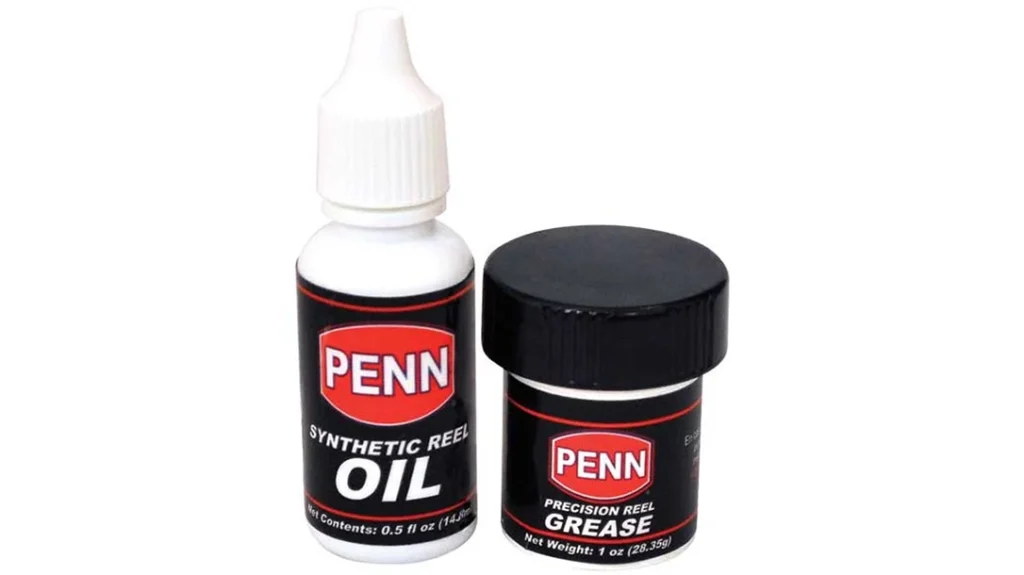
A junk tray from Mission First Tactical comes in handy to hold all my small screws, washers and gaskets so they don’t get lost around or under my bench. Quality oil and grease is a must to coat and protect all winter long. For spray lubricants, G96, Ballistol, and Yamaha’s Yamalube rust and corrosion protection come up big. WD40 has its uses but long lasting protection on treasured items, do with one made for the job. For heavier grease and oils, Penn Precision products are a go-to.
Advertisement — Continue Reading Below
Spinning reels have come a long way in the past 30 years. The materials used, metal coatings and seals are better than ever, and some reels claim and prove to be fully submersible in salt water without fear of saltwater intrusion into the reel body. Keep in mind, submersible does not mean corrosion resistant or free.
Disassemble
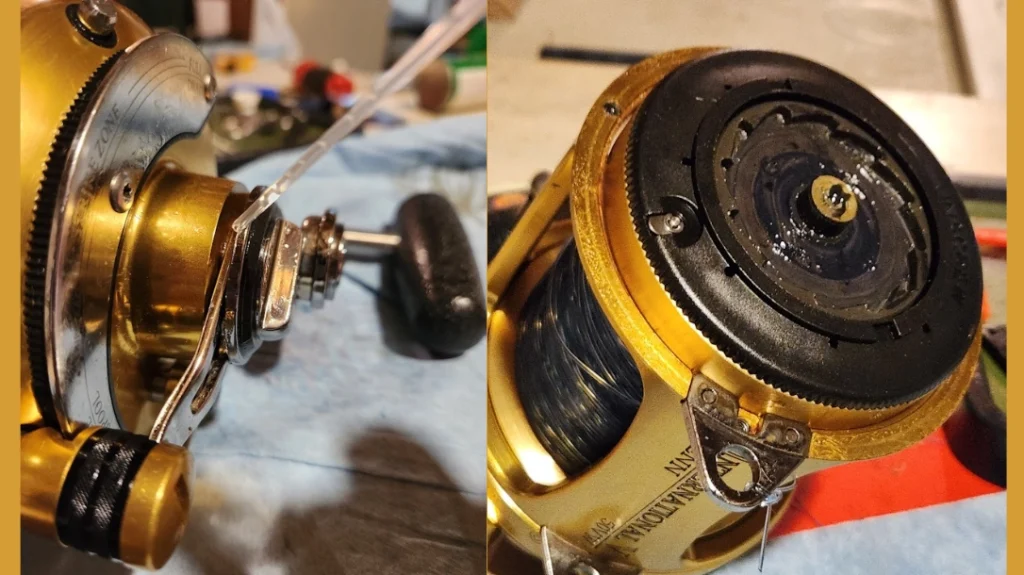
First take the spool off spinning reels to keep the braided or mono line away from any lubricants. Apply lubricants under the spool on any springs and drag devices visible to the naked eye. On the top of the spool cap, re-apply a new coat of heavier Penn lube to keep the seals well-greased. Do not take the drag washers and spacers out if the reel is in good working condition. It is not necessary. If the drag is jumpy then that would signal a deeper dive into the internal workings of the drag. If all is in good working order, leave it alone.
The next step on spinning reels is to make sure the line roller on the spool is moving freely without a lot of effort or pressure. This is typically an overlooked item on most spinning reels but it’s critical that this is functioning properly so that it doesn’t add increased pressure to the drag and does not damage the line which could cause a shorter line lifespan or possibly breakage while fighting a fish.
Clean & Lubricate
If the roller spins without tension by rolling it with a fingertip, apply a heavy spray of lubricant and move the roller so the fluid can penetrate. If the roller is stuck or it takes a lot of pressure to spin it, then carefully take the screw out with the proper sized driver bit. Disassemble and then regrease the bearings and all parts with heavy reel grease. During reassembly, do not overtighten this screw as that may pinch or bind up the roller. Snug it up and let it be.
Advertisement — Continue Reading Below
After that, spray lubricant on the top edges where the bail meets the spool. Make sure that there is enough lubricant on the reel so that when the bail is opened and closed 10-12 times, there is enough lubricant to seep down into this area and cover all working items.
Put it Back Together
Next, loosen and remove the reel handle by turning it in the opposite direction of normal function. Also remove the reel cap that covers the opposite side of the reel body. Grease the cap threads and replace it immediately after visually making sure there is adequate grease around the bearing located under the cap. If there is not, put a dollop of grease on a finger and press it into the bearing. Cap on, then put a light coating of heavy grease on the reel handle threads and start to turn back into the reel. Before all is tight, apply an adequate coating of lubricant on the elbow of the reel handle and around the handle knob, which should also spin freely and without a large amount of tension. If the handle is stuck with corrosion, remove, clean and re-grease it. Lastly, tighten the reel handle to snug.
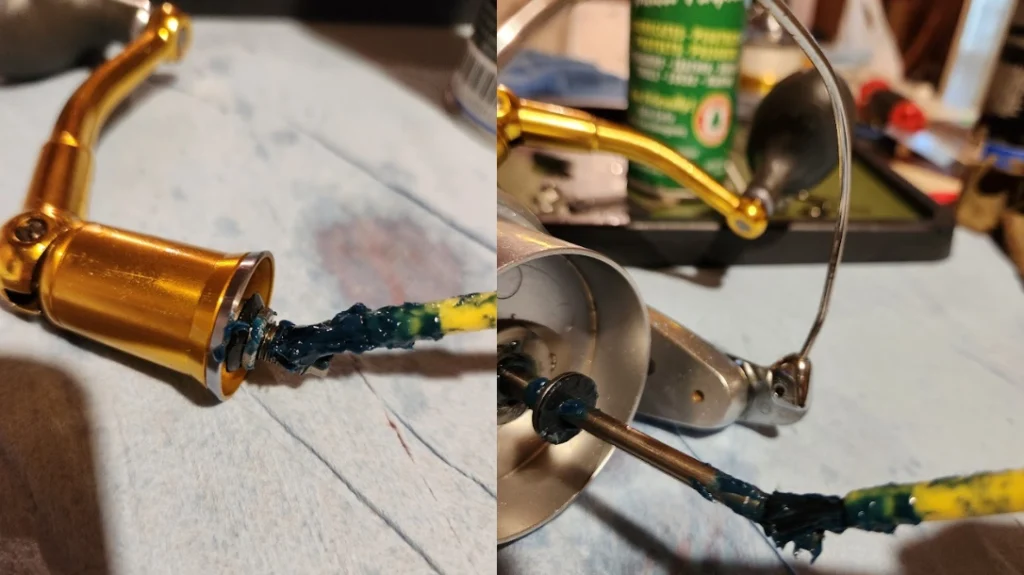
The honest answer to the question of how often to remove the side plates on spinning reels and regrease all the interior components is as infrequently as required. If the reel is functioning well, there isn’t problem to fix, so don’t create a problem where there isn’t one. The seals between reel body, plates and parts are all exceptional and it’s rare to experience a corrosion problem inside the reel body. On reels older than ten years old, it can be a good idea to remove and regrease the internal components just to try and extend the life of the reel.
Conventional Reels
Moving on from spinning reels to conventional reels. These reels are a lot more sophisticated than spinning reels and built to handle more adverse conditions, but essentially finction in the same way and require the same maintenance. The only special case would be electric reels. Take care during the season to protect it from the elements when running open water and always wash and dry it properly after each use. At the end of the season, wipe down the reel with a microfiber towel doused in Ballistol (or a similar cleaner) to get rid of any left-over salt residue. Take off the backing plat to make sure the reel foot, screws and rod butt are also clean and free of any salt.
Advertisement — Continue Reading Below
Rods
Spinning rods don’t require a ton of care but there are certain things that can extend the rod’s helf life. Give them a solid cleaning with soap and water before putting them up for the winter. After they dry, lubricate the guides with a rag and spray oil. Spray the reel seat to keep that functioning well and corrosion-free. Wax rods with Collinite Paste wax or 925 wax to protect the blank and epoxy wrapped guides and decorative elements. If using the paste wax, apply it once a year, but if usig the 925 product, rewax again mid-season to ensure protection. This also has the added benefit of keeping gear looking new after many years of hard use. Also, don’t let rods sit out in the sun when not in use. Damage can occur when rods are left exposed to the harsh UV rays of the sun.
Lastly on offshore rods make sure the threads on the aluminum butts are sprayed with a healthy shot of lubricant and go up and down all the roller guides on the rod to make sure they are all operating as designed, spray with lubricant and also spin each with a short piece of heavy monofilament or braided line. These rollers can get locked up with salt and that salt can damage the rollers if left to sit in there. In the case of a stuck roller, remove the screw on the side of the roller, remove and grease all parts and then reassemble.
Closing Thoughts
Buy the best gear you can afford and take proper care of it. That will protect the investment and ensure years of trouble-free use. Abide by the old saying “Take care of your gear and it will take care of you.”
WHY OUR ARTICLES/REVIEWS DO NOT HAVE AFFILIATE LINKS
Affiliate links create a financial incentive for writers to promote certain products, which can lead to biased recommendations. This blurs the line between genuine advice and marketing, reducing trust in the content.
Advertisement — Continue Reading Below