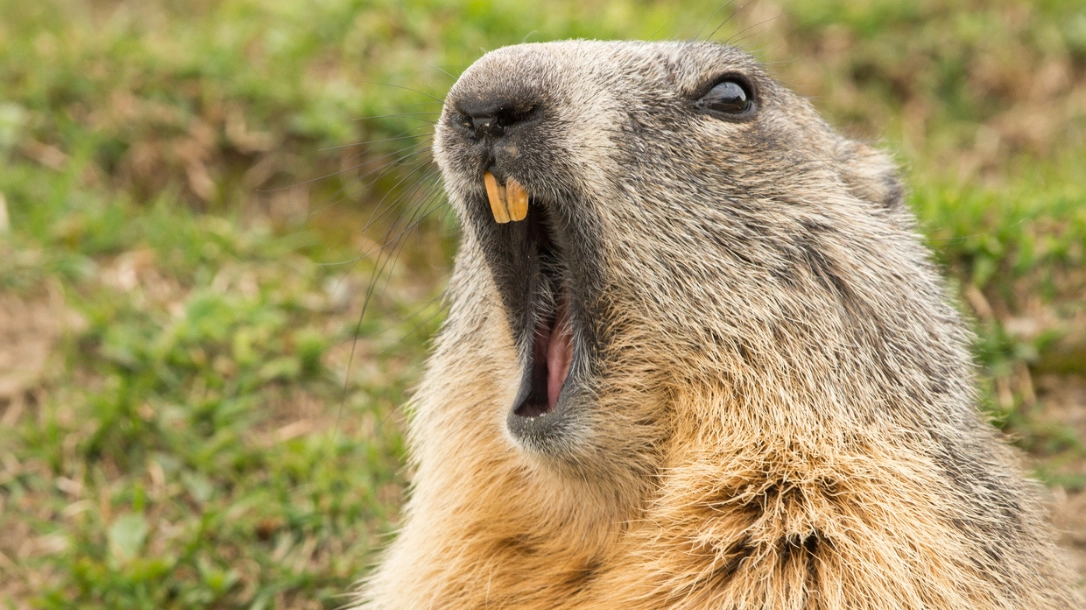
Every February 2, America watches as a groundhog named Punxsutawney Phil waddles out of a hole and provides a prediction on how much longer winter will last. It is a cute gimmick, but thoroughly unuseful.
While the internet treats groundhogs like fortune tellers, here is the reality: groundhogs, also called woodchucks, marmot, or their scientific name, Marmota monax, are land-destroying pests. They create real, measurable damage to lawns, fields, and property structures. Experts diggers, they burrow under foundations and into water drainage systems. Groundhogs create holes, build underground tunnels that collapse under weight, and ruin crops and gardens.
What is a Groundhog?
Groundhogs are rodents that are members of the squirrel family. They grow up to around 20 inches in length and usually between 5 and 10 pounds, although can get larger in captivity.
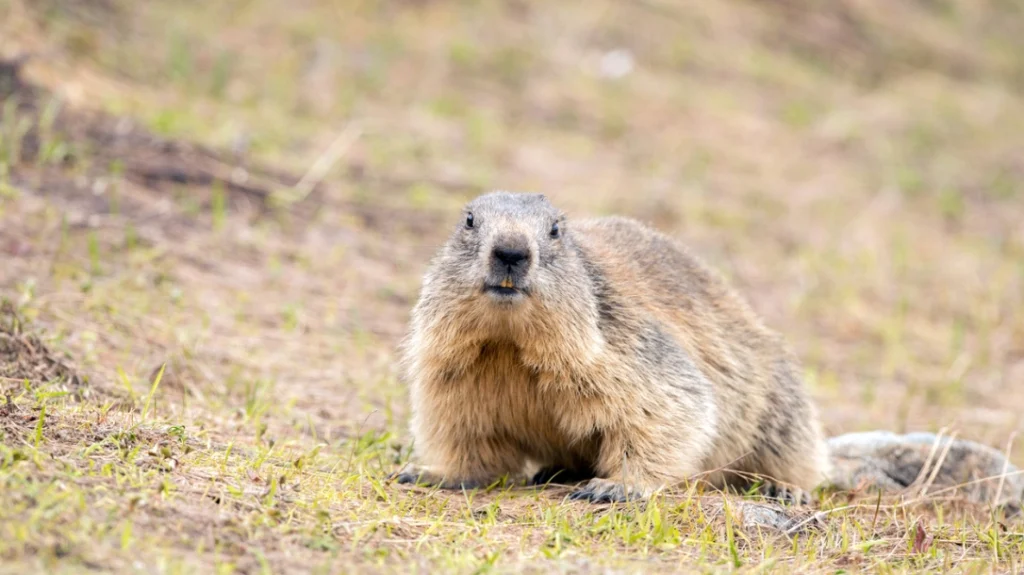
There are several nicknames associated with groundhogs, including land-beaver, whistle-pig, and the most common one, woodchuck. The term woodchuck came from a language blend stemming from early interactions between European settlers and Native American tribes.
Advertisement — Continue Reading Below
Groundhogs also reproduce quickly, bearing multiple young in the spring. If left unchecked, this could create an annoying and costly problem for landowners and homeowners in a short time. The simple solution is population management, aka hunting for pest control.
Is Groundhog Hunting Legal?
The short answer is usually yes. The long answer is always check your state regulations. In many states, groundhogs are classified as small game or unprotected nuisance wildlife. Some states, such as New York, North Carolina, and Massachusetts, allow year-round hunting with no bag limit. Others set specific seasons, restrict methods, or require landowner permission.
You still need a hunting license to hunt unprotected game. Unprotected, or unrestricted, does not mean lawless or without oversight. Be an ethical hunter.
Groundhogs might appear to be just large, destructive squirrels, but hunting them can be surprisingly difficult. The vital zone is small. They are very quick, can detect movement easily, and can be quite elusive. Shots often have to be taken from long distances because groundhogs are tough to get close to. Connecting with a woodchuck requires patience and good marksmanship. That is why it makes a great conditioning activity.
How Do You Hunt Groundhog?
There are two main methods for groundhog hunting. You can set up on watch over a crop or field edge and wait for them to show up, or you can try a run-and-gun type hunt. The former will probably prove more successful.
Advertisement — Continue Reading Below
For equipment, all you really need is a rifle, a scope, and maybe a rangefinder. Common rifles for this type of hunting are the Savage Axis .223 Remington, Ruger American Rimfire in .17 HMR, and the Savage 110 Varmint in .22-250. You want something that can shoot accurately and has enough power to do the job at the distance required without being way too much. Remember, groundhogs are essentials giant squirrels.
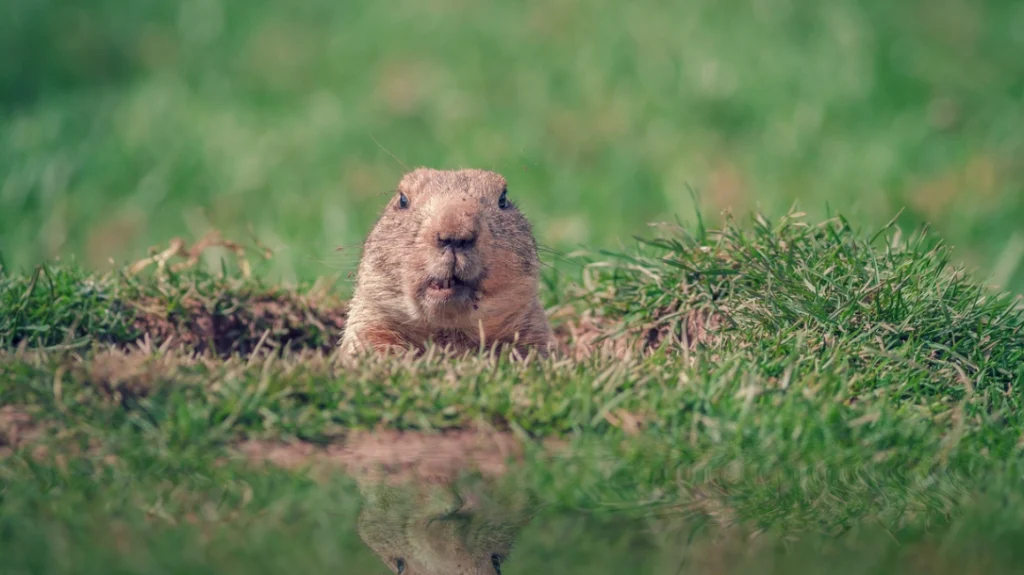
Set up in a spot where your outline isn’t obvious. Groundhogs do a lot of scanning their surroundings. If they pick your shape out of the skyline, the will bolt. Position yourself so that you have a steady shot when given the opportunity.
Can You Eat Groundhog?
Groundhog on the dinner table used to be such common practice, especially in rural areas of North America, that it was called “poor man’s pork.” It is described as similar to rabbit in taste and texture.
Before preparing, inspect the animal for any signs of disease. As with any wild game, make sure to cook it thoroughly. Many recipes suggest a slow cooking or braising method.
Advertisement — Continue Reading Below
Punxsutawney Phil might have a place on the calendar, but groundhog hunting has a place in hunting, land management, and wild game cooking.
WHY OUR ARTICLES/REVIEWS DO NOT HAVE AFFILIATE LINKS
Affiliate links create a financial incentive for writers to promote certain products, which can lead to biased recommendations. This blurs the line between genuine advice and marketing, reducing trust in the content.