Today, the cowboy is celebrated as a symbol of the American West, but during the height of the cattle-drive era, the job carried little prestige. Cowboys were low-paid laborers, often young men with few other opportunities, doing work that required grit but offered little glory. It was an entry level low paying job staffed by young men with little or no prospect to make a living otherwise. Almost every male in the vast reaches of the Texas cattle ranch country could saddle a horse, ride, rope and shoot, so no special skill set was required for the job.
Many were African American, newly freed from slavery and forced to rely on agricultural work to survive. The cowboy’s rise to fame had less to do with heroics and more to do with timing, railroads, and a small Kansas town that would briefly become the center of the cattle trade.
What made the cowboy famous was timing, and that timing took place in Kansas.
Rise of the Kansas Cowboy
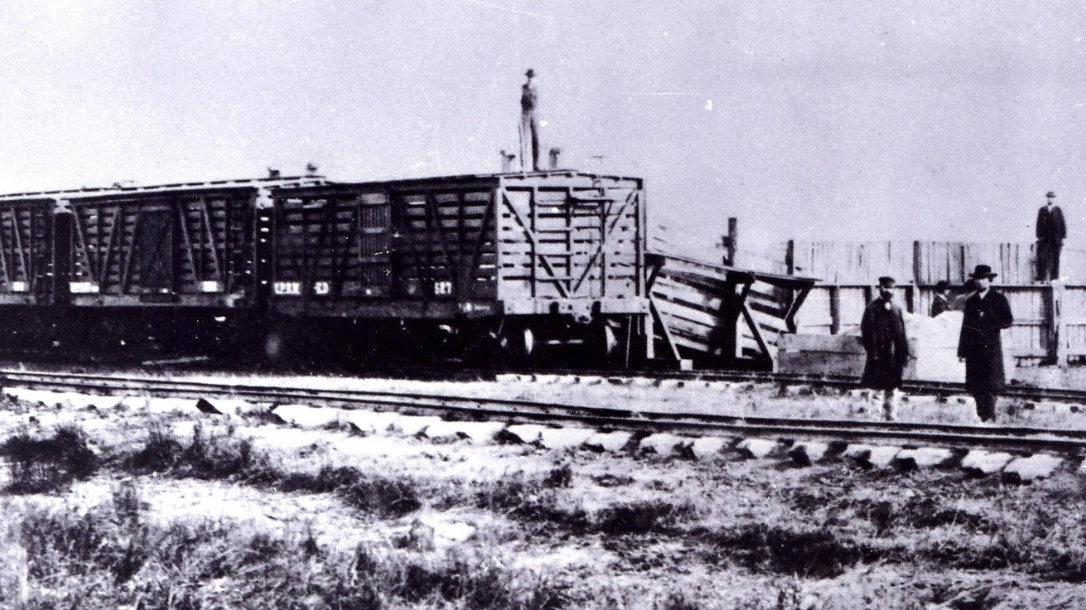
The railroad had penetrated the interior of Kansas, and Joseph McCoy, a Chicago businessman and investor, saw the potential of the market. Longhorn cattle ran wild in Texas. Population numbers were abundant, and value was low. However, in other areas of the country, beef value soafred. In Chicago, beef was worth about 40-45 dollars a head, compared to about two dollars a head in Texas country.
McCoy and his investors built a railroad siding and stockyards in the sleepy little town of Abilene, Kansas, encouraged the Texas cattlemen to drive the herds there along the Chisolm Trail, paid them about 20 dollars a head, and the rest, as they say, is history.
Advertisement — Continue Reading Below
Setting the Scene
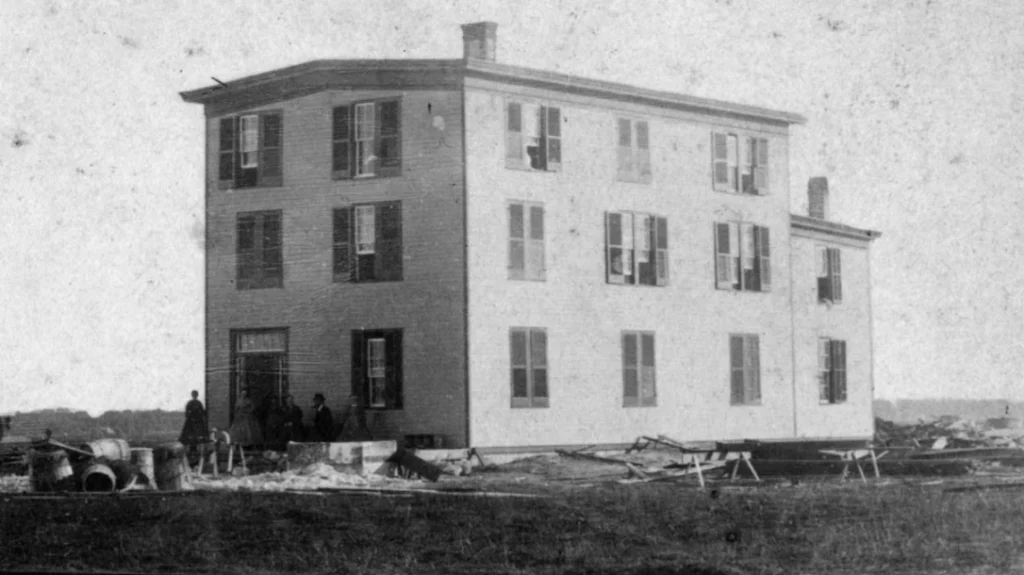
I set out to recreate the look of the Kansas cowboy era, with the year 1870 as my anchor point. Square in the middle of Abilene’s tenure as the main Cowtown on the Chisolm Trail, and a few years before the advent and proliferation of cartridge firearms. I chose to portray a rancher bringing his cattle to market. Business was booming in Abilene in 1870; over 300,000 head of Longhorn cattle passed through there that year. Ranching had been going on in Texas since Spanish times and at 63 years old, I am too old to be portraying a working cowboy. However, a rancher suited me. I could put together the outfit and the appropriate firearms and be off to a great start on this new impression.
The first thing I had to bear in mind was the extreme financial crisis in Texas at this time. The state’s economy was all but ruined by the Civil War. Cash was scarce and ways to earn or raise it were just as scarce as the cash itself. This is the background that I wanted to keep in mind in putting this impression together. The clothing, weapons and accoutrements should all reflect this situation. I know I am always bothered by Hollywood westerns that take place in post war Texas, and show the citizens armed with the latest weapons. This was not the reality. The new cartridge firing weapons were expensive, and most simply did not have the means to obtain them.
Cowboy Clothes
So, I started with the basics, the clothes on my back. I chose a sack suit in butternut brown wool. Wool was the go-to cloth of the times, and most clothing was made of it. Butternut was a cheap dye widely available in the South. During the Civil War Confederate uniforms were often dyed with butternut, as the normal gray cloth became unavailable. Butternut dyed wool was common and could quite easily be made into a homemade suit that my poor, cash strapped rancher would have worn.
I already had a period shirt in blue check. I added a period shawl collar vest in brown plaid. Vests were common everyday wear of the times and add an extra layer of protection when one is out in the elements for an extended period of time. For a hat I have a brown, round medium crowned hat. The first true cowboy hat, Stetson’s Boss of the Plains, had been introduced in 1865 for the western market. This hat became the standard wear of the cowboys for several years. However, my hat while resembling a Boss of the Plains, is just a regular hat, as befitting a rancher of my time and place.
Advertisement — Continue Reading Below
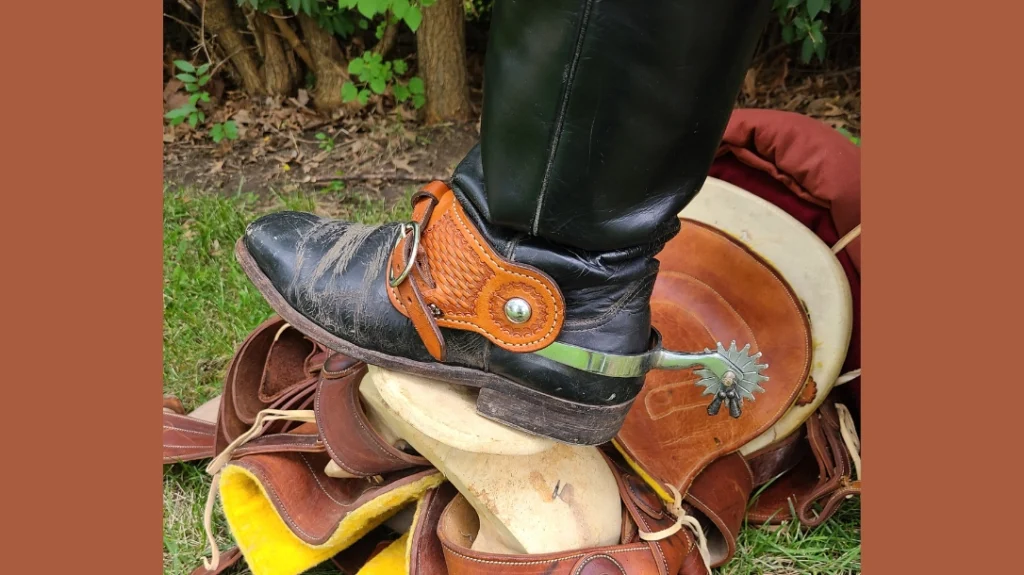
The notion of a specialized cowboy boot had not come about yet. The cowboy boot is thought to have been invented in Kansas City in 1875, when Shoemaker Charles Hyer collaborated with a cowboy to make a custom boot for the trade. So, for an 1870 date I still wear a plain black knee boot. The kind of boot called a “stovepipe” boot that would have been common on the frontier and worn by mounted men throughout the Civil War. I added a pair of spurs.
Dressing The Part
Texas cowboys and ranchers were influenced by the Mexican Vaquero, who often wore gargantuan spurs. While not as big as other pairs I have seen, I do have a pair of Mexican spurs that I wore with the boots to give the outfit a Southwest flair. I also wear a red silk scarf around my neck. This was primarily done for dust control, as the herds headed north, they kicked up massive clouds of dust that the cowboys had to breath, so neck scarfs became part of the “uniform.”
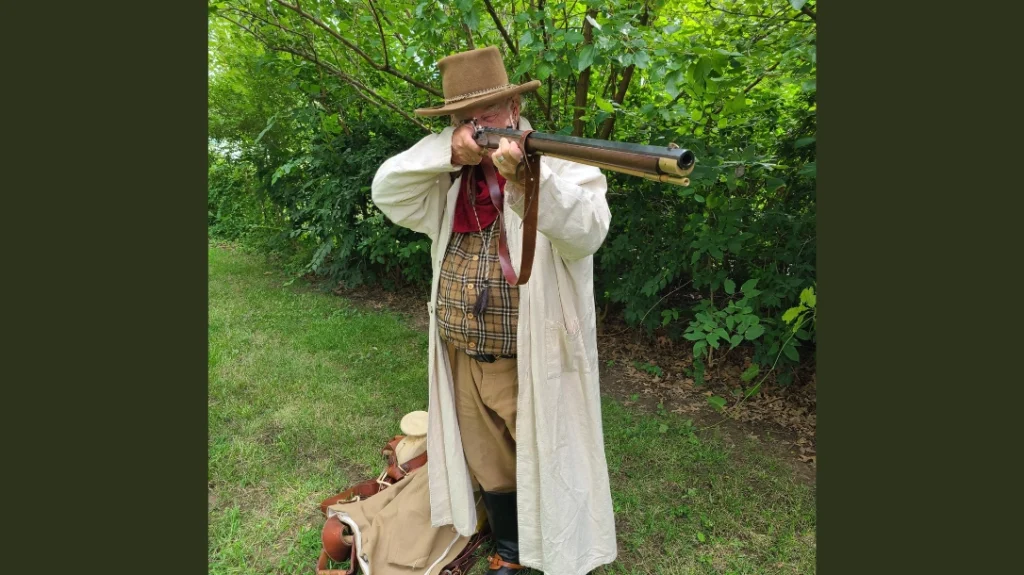
The only other specialized article of clothing is the lightweight cotton duster. These were simple garments that were sewn up at home and meant to protect the wearer form dusty conditions. When not needed, they could be tied off on the front or back of the saddle, so they were handy in case the clouds of dust kicked up again. Anyone who had lived in the plains region knows that the wind often blows, and dust clouds are no stranger to the landscape. I imagine a few thousand hooves beating through the thin soil would stir up more than its share of dust on any given day.
Advertisement — Continue Reading Below
Frontier Weapons
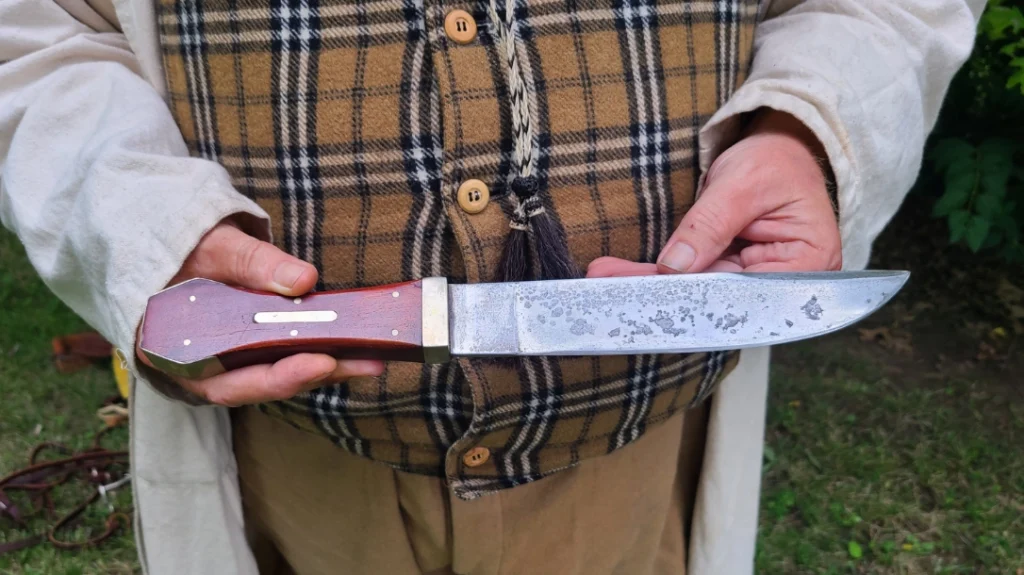
Next came the quest for weapons. The revolver part was easy. I already had an 1851 Navy .36, probably the single most popular handgun in the west up to the introduction of the Peacemaker in 1873. In fact, about 250,000 Navy revolvers were made until 1873, when it was finally discontinued. Lots of them were kicking around and it was not too great a stretch to envision my Rancher acquiring one along the way. I carry the Navy in a “Slim Jim” style holster, worn on the right side. I also wear an early style Bowie knife on my pistol belt. Southerners in general and Texans in particular, had a love affair with the Bowie knife. So, I wear one on my belt with my revolver.
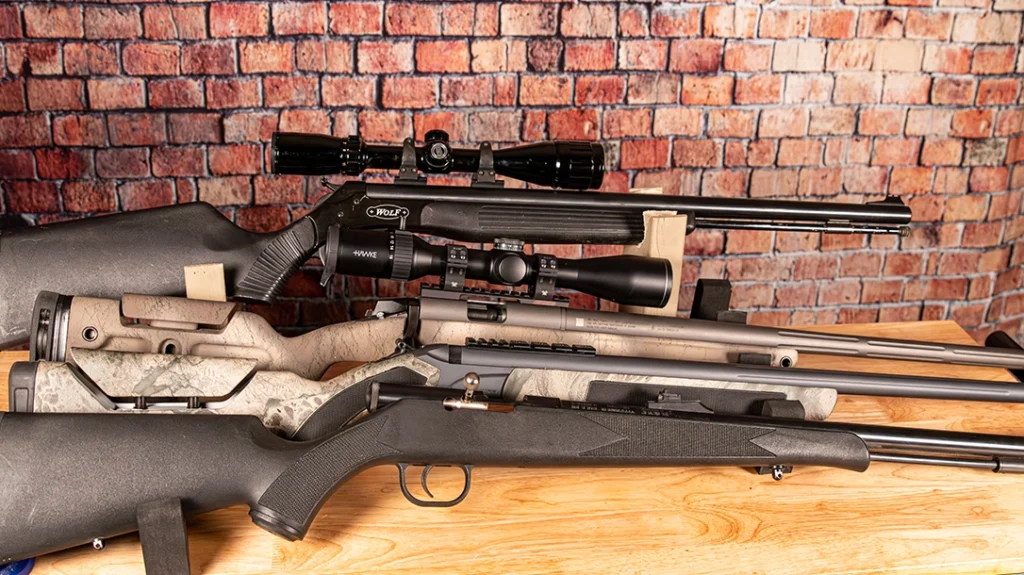
The rifle was next, and it was a little more problematic. I already owned a Lyman Great Plains Rifle and could very easily have used it. Half stock Plains Rifles were popular in the Southwest as well as Kansas. In fact, there was a gunsmith in Leavenworth, Kansas named Jacob Biringer, who made half stock Plains Rifles. But I wanted something different. As I already had the Lyman, I could always fall back and carry it until I found something better, hopefully something would turn up. Luckily it did. I found a Traditions Shenandoah, plain stocked, in .50 caliber. The gun had the lines of an H. E. Leman Trade Rifle.
Arms Production
Henry Leman was a forward-thinking gunsmith, who set up a factory in Lancaster County, Pennsylvania, and had the ability to mass produce weapons. He also embraced the percussion system and began to crank out rifles. He had been awarded a contract by the government to supply 1,000 of these rifles for the Indian trade beginning in 1835, and he subsequently renewed the contract for about the same number of rifles every year after that until about 1860. So, during the time period in question there were a lot of them out there.
With production being at a 1,000 a year beginning in 1835, that means by the target year of 1870, there would have been about 25,000 or so Lemans floating around the Frontier. Compare that to the Hawken Brothers, whose famous rifle everybody and his brother has a copy of, and their total production during their entire career, a space of about 40 years, was only about 3,000 rifles. So, the chances of coming across a Leman were pretty good. I was pleased.
Advertisement — Continue Reading Below
Snoozing Setup
Next came sleeping arrangements. Cowboys carried bedrolls. These were often an assortment of wool blankets, called “soogans” by the cowboys, and some sort of ground cloth. Followed by a canvas cover to roll it all up in. Bedrolls were most often shoved into the chuck wagon for transport.
Inside the bedroll was the “Warbag,” a sort of personal ditty bag that held the various sundries that made life bearable on the open plains. I have a wallet with some period currency, a journal, some reading spectacles, a hip flask and a few other personal items. These all go in a burlap sack and are secured in the bedroll.
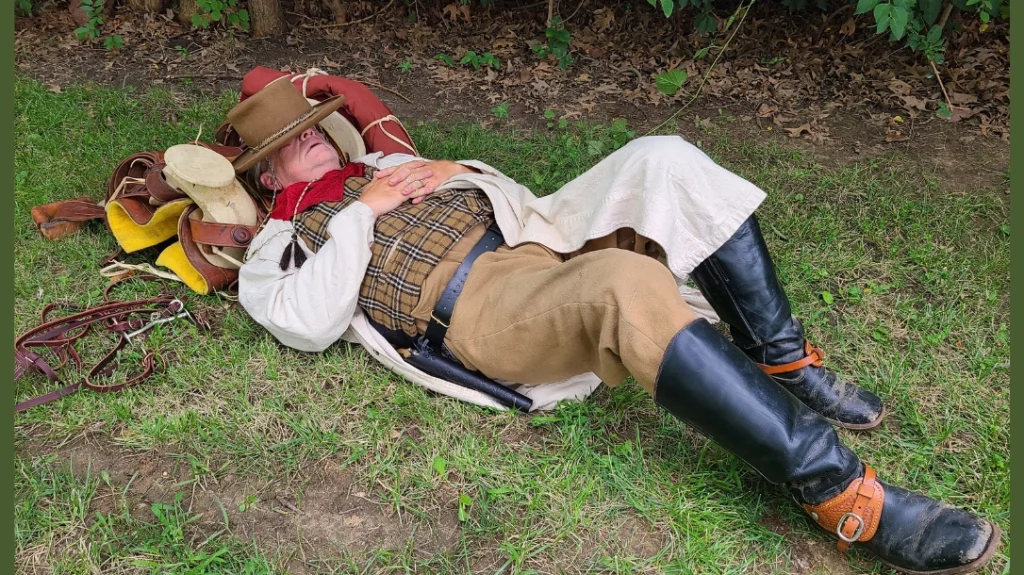
Of course, every cowboy needs a saddle, so I went on a hunt for a period saddle. My research led me to a great treatise online published by the Smithsonian Institution entitled “Man Made Mobile.” In it, various authors trace the development of the Western saddle from the Spanish Conquistadors of the 1500’s to the Western pleasure saddle of today. I ended up a Mexican saddle that I got from my friend Brad. It fit the bill, and perfectly matched the images in the article of the saddles that were coming out of Texas in the late 60’s early 70’s.
Cowboy clothing was chosen for durability, arms were carried because they were available, and every piece of gear served a purpose. By understanding the daily realities of the time, we gain a clearer picture of the men who worked the cattle drives and a respect for the lifestyle of the muzzleloading cowboys of Kansas.
Advertisement — Continue Reading Below