There is a conversation happening quietly across state agencies, conservation banquets, and deer camps across America. Hunting participation is declining. Not collapsing, not vanishing overnight, but steadily trending downward over decades. According to the U.S. Fish and Wildlife Service, the number of hunters in the United States has decreased from roughly 14 million in the early 1990s to closer to 11 or 12 million in more recent surveys. When adjusted for overall population growth, the percentage of Americans who hunt has dropped even more significantly. Many states report aging hunter demographics and fewer young participants entering the field.
Slow Decline, Steady Solutions
This is not cause for panic. It is cause for responsibility. Hunting is not merely recreation. It supports conservation funding, sustains wildlife management systems, and preserves a culture rooted in self-reliance and stewardship. The system itself remains strong. Through mechanisms such as the Pittman-Robertson Act, excise taxes on firearms and ammunition continue to fund habitat improvement and wildlife restoration nationwide. Deer and turkey populations in many regions are healthy due to decades of sound management. The structure is intact. What it requires now is participation and intentional mentorship.
Practical Introductions
If we are going to stabilize hunting’s future, we must start by teaching our children and others that show an interest whenever we can find them. The easiest and most effective entry point is squirrel hunting. It is often overlooked, yet it is one of the finest training grounds available. Squirrel hunting teaches stalking through hardwoods, observing mast production, identifying wildlife corridors, and understanding how animals move between bedding and feeding areas. Young hunters learn where squirrels den, how wind affects approach, and how seasonal food availability shifts patterns. These lessons build observation skills that extend far beyond the woods. Pattern recognition, patience, and quiet movement become second nature. Squirrel hunting provides frequent encounters, which reinforces learning and builds confidence without overwhelming the beginner.
Turkey Hunting
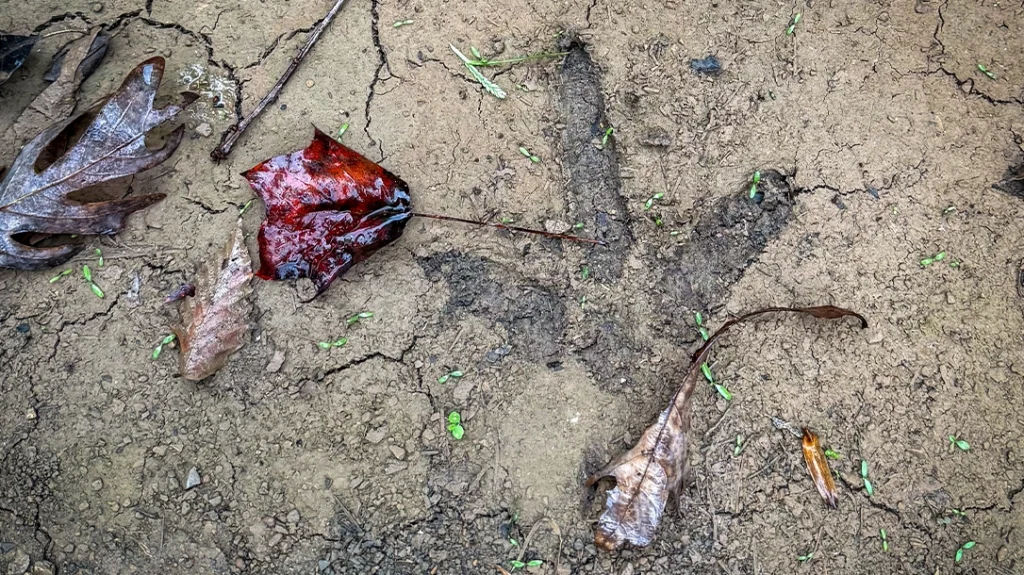
Turkey hunting provides a different classroom. The wild turkey demands strategy. Thanks in part to the restoration efforts of organizations such as the National Wild Turkey Federation, turkey populations have rebounded across much of the country, offering opportunity in many states. Turkey hunting teaches calling discipline, terrain selection, camouflage, and stillness. Success requires understanding behavior, timing movement carefully, and resisting the urge to overcall or reposition too quickly. These experiences cultivate strategic thinking and emotional control. The patience required to sit motionless against a tree while waiting for a bird to commit is a skill that translates directly into leadership, athletics, business, and home life. Timing, preparation, and restraint all matter.
Advertisement — Continue Reading Below
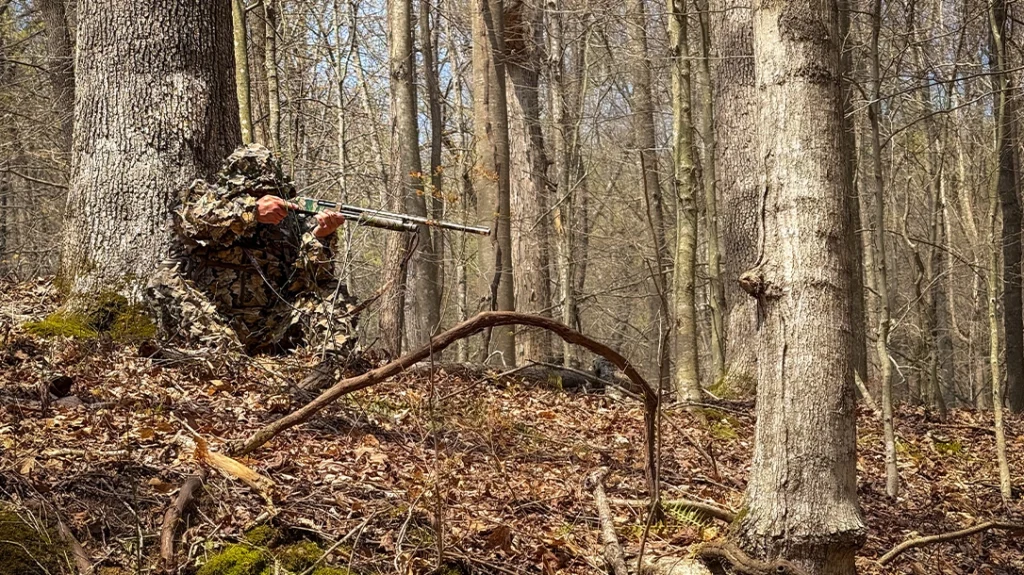
Deer Hunting
Deer hunting, particularly the tradition of deer camp, may be one of the most valuable cultural institutions remaining in outdoor life. Mostdeer season brings together scouting, wind analysis, stand placement, tracking, and long hours of observation. It also brings mentorship. Around campfires and kitchen tables, lessons about ethics, shot placement, and responsibility are shared in ways that cannot be replicated in a classroom. Deer camp fosters camaraderie, humility, and intergenerational transfer of knowledge. For many young hunters, it provides a rite of passage that modern society often fails to offer. Early mornings, shared meals, and stories of both success and failure shape character in quiet but lasting ways.
Fruits of the Labor
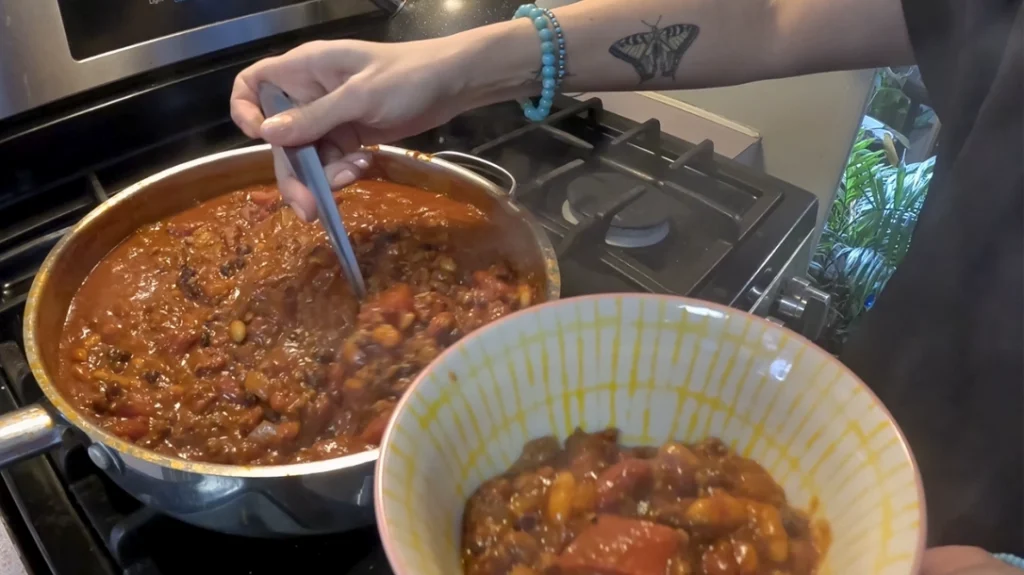
Another element of hunting that should be tied into mentorship is the food itself. Wild game is among the cleanest, most natural protein sources available. It is free-ranging, forage-fed, and 100 percent organic in the truest sense of the word. No growth hormones, feedlots or processed diet. A whitetail deer has spent its life moving through timber, eating browse, mast, and natural forage. A wild turkey feeds on insects, seeds, and native plants. That lifestyle produces lean, nutrient-dense meat that is high in protein and lower in saturated fat than many commercial alternatives. It is food in its most honest form.
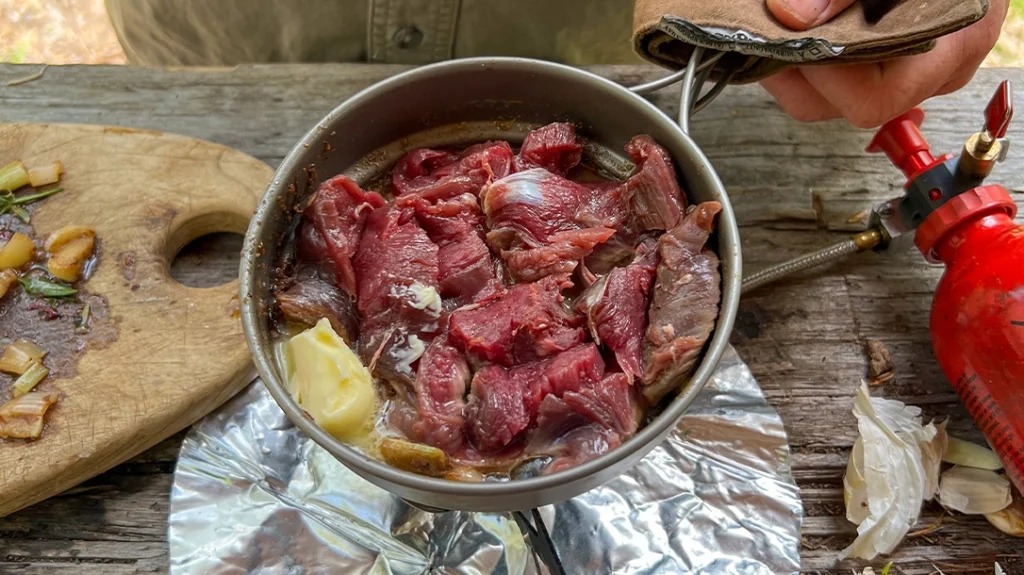
I often hear people say that wild game tastes “gamey.” What I typically tell them is that many people today are accustomed to meat that has very little natural flavor. Commercial production systems are designed for uniformity and mildness. That is why we rely so heavily on seasoning, marinades, sauces, and heavy preparation. Wild game tastes like what it is. Real meat from a real animal living in a real ecosystem. When properly handled in the field and processed with care, venison, squirrel, turkey, and other game are clean, rich, and deeply satisfying. The flavor is not a flaw. It is a reminder of authenticity. That does not mean you can’t also add your favorite seasonings here as well, just know it already starts out with lots of flavor.
Advertisement — Continue Reading Below
Imparting Wisdom
Embedded within all these experiences are lessons about safety and ego. Firearm safety, muzzle discipline, awareness of safe zones of fire, and respect for consequence are not optional. They are foundational. A young hunter learns quickly that negligence carries weight. At the same time, hunting introduces failure early and often. Missed shots, spooked animals, and long days without success are part of the process. This teaches resilience. It reinforces the idea that preparation increases odds but does not guarantee outcomes. Success, when it comes, is earned through repetition and effort.
Some young people learn these lessons through organized sports, but sports are not for everyone. Hunting provides an alternative path to growth. It builds confidence without spectacle and competence without applause. The woods do not criticize. They simply reflect preparation. When a new hunter finally earns success after multiple attempts, the lesson is deeply rooted. Effort, patience, and skill development matters.
Longterm Mindset
The decline in hunting participation is real and measurable, but it is not irreversible. It is a challenge to be met through action. If every experienced hunter mentored one new participant intentionally, numbers would stabilize. If every deer camp made room for a first-time observer, continuity would strengthen. The future of hunting will not be secured by policy alone. It will be secured by parents, grandparents, mentors, and friends who take someone new into the field.
Hunting teaches observation before action, patience before reward, and responsibility before recognition. It develops humility in a culture that often prizes noise over competence. The quiet crisis in hunting is not about scarcity of wildlife or failure of conservation systems. It is about whether we will commit to teaching the next generation.
Advertisement — Continue Reading Below