I’ve been building lures and tying flies and jigs for decades, long before YouTube tutorials and online forums made the learning curve a little less steep. Back then, if you wanted to figure something out, you dug through dog-eared books or learned at the elbow of a mentor. There wasn’t a shortcut. There was just trial, error, and a stubborn determination to make something that worked.
There’s a unique satisfaction in catching fish on something you built with your own hands. My classroom was a stack of fly-tying books, because I didn’t know a single person who fly fished. I taught myself to tie patterns for bass and bluegills, casting into the farm ponds scattered across the rural farmland around my home. Those early flies weren’t perfect, but they caught fish.
Today, the internet has taken what was once a quiet cottage craft and elevated it to a full-blown movement.
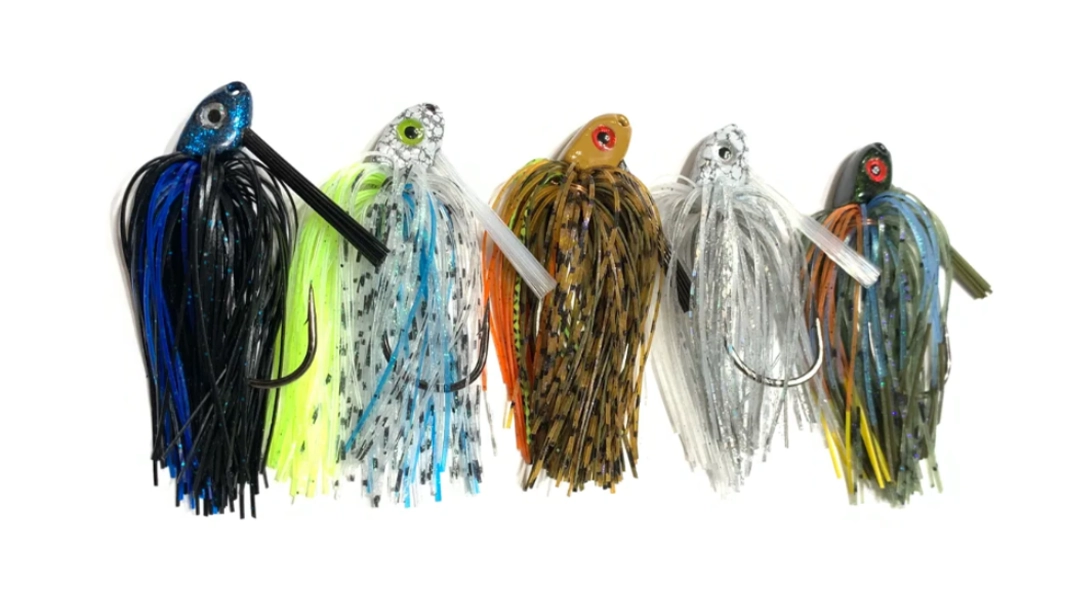
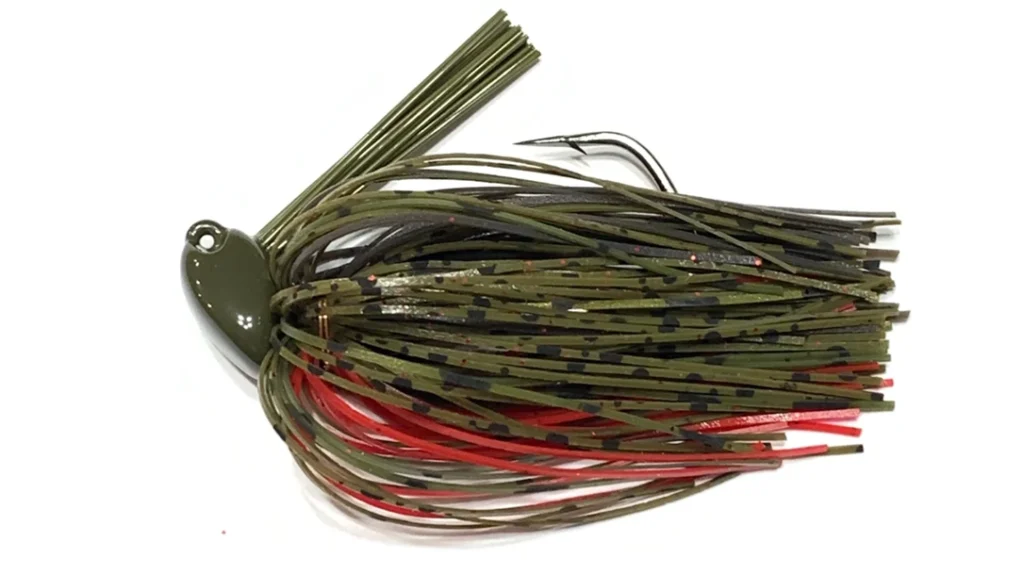
Mike Siebert has been designing and selling his own line of lures, specializing in bass jigs, from Hillsboro, Missouri for twenty years. What started as frustration over store-bought hooks that bent or broke under pressure turned into a mission: build something better. Disappointed by inconsistent quality, he decided to take matters into his own hands.
What began as a hobby grew into Siebert Outdoors, a small business built on quality craftsmanship, reliable components, and a commitment to giving anglers dependable gear without high prices.
Advertisement — Continue Reading Below
A Better Jig

Fishy Feedback
While Siebert enjoys catching fish on his own lures, he says the real reward comes when he gets feedback from his customers.
Advertisement — Continue Reading Below
Making Your Own Bait
If you’ve got an idea for a new lure, modern tools like 3D printers make it easier than ever to bring that concept to life. You can design and print a prototype, tweak it until the action and profile are exactly what you’re after, and then use that final version to create a mold for production. What once required expensive machining and guesswork can now start on a desktop.
For anglers looking to dip their toes into bait making, Siebert recommends starting simple. Purchase pre-made jig heads and focus on building your own skirts. The head is typically the most technical and costly part of the process, requiring specialized equipment and materials. By starting with quality heads and customizing the skirt, you can experiment with colors, profiles, and materials without a major upfront investment.
Advertisement — Continue Reading Below
He also points newcomers toward online communities like BassResource.com and the Tackle Underground Facebook page. These forums are packed with builders willing to share ideas, troubleshoot problems, and help others refine their craft. You could call this a modern version of the mentorship that once only existed in books and at the workbench beside a seasoned angler.
Soft Plastics
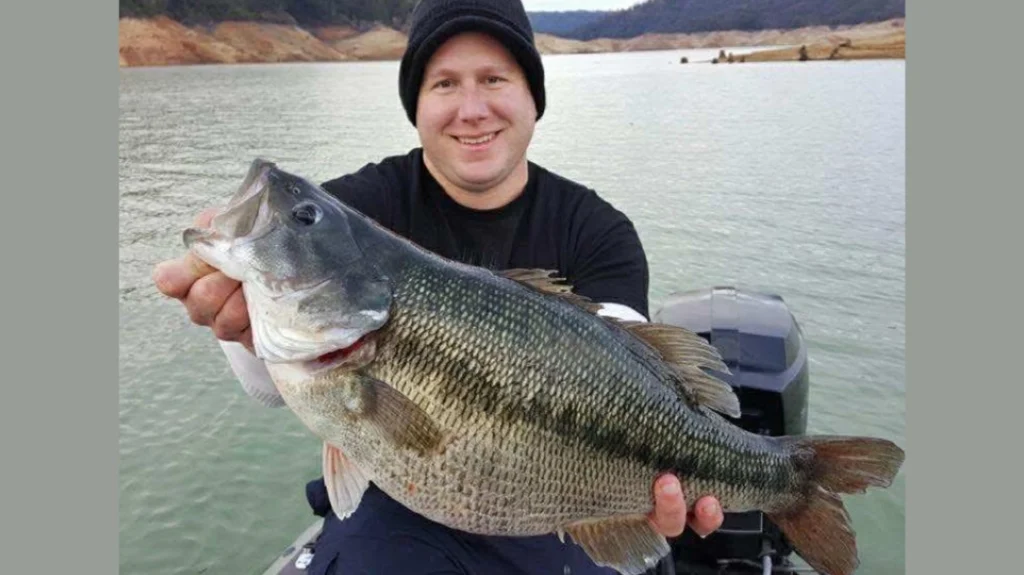
T.J. Singler of Imperial Missouri also makes his own baits. Instead of jigs, Singler makes soft plastics, and his favorite bait is big swimbaits.
“I got tired of spending so much money on these baits so I decided to pour my own,” Singler said. “I can make my own colors to match my style of fishing and where I fish.”
Singler used the tried and true tactic of mentorship to help him on his journey of bait making. His mentor is in-person. He lets him use his equipment and ask questions, and it has made a difference for him.
Advertisement — Continue Reading Below
His advice is simple and direct: “If you’re a true fish head and you’ve ever thought about making your own baits, just jump in.”
Whether you’ve got a fresh lure concept rattling around in your head or you’re simply tired of burning through cash on store-bought tackle, bait making offers a creative and rewarding alternative. Just be warned, as Singler puts it, “Making baits is every bit as addictive as fishing itself.”
WHY OUR ARTICLES/REVIEWS DO NOT HAVE AFFILIATE LINKS
Affiliate links create a financial incentive for writers to promote certain products, which can lead to biased recommendations. This blurs the line between genuine advice and marketing, reducing trust in the content.