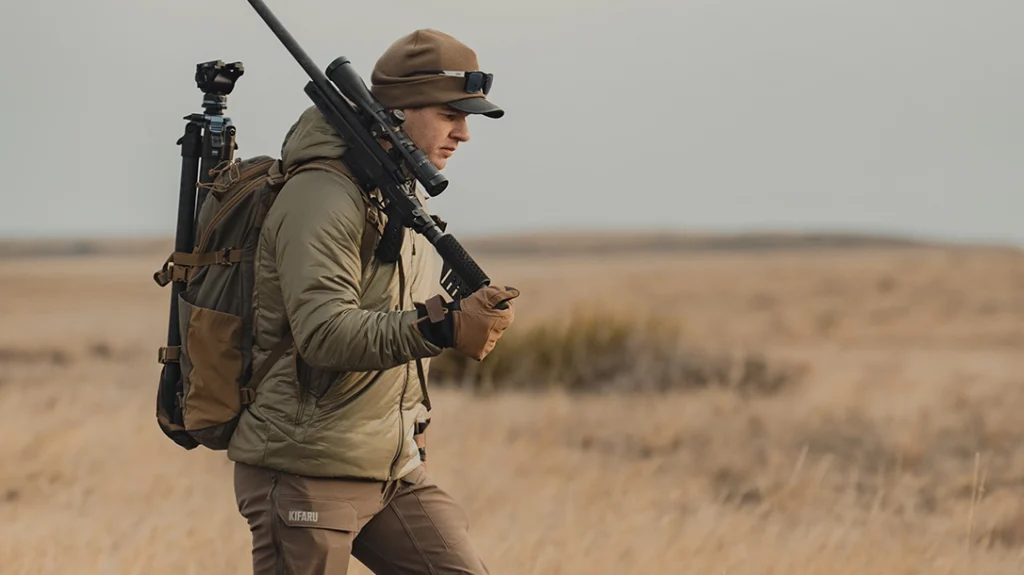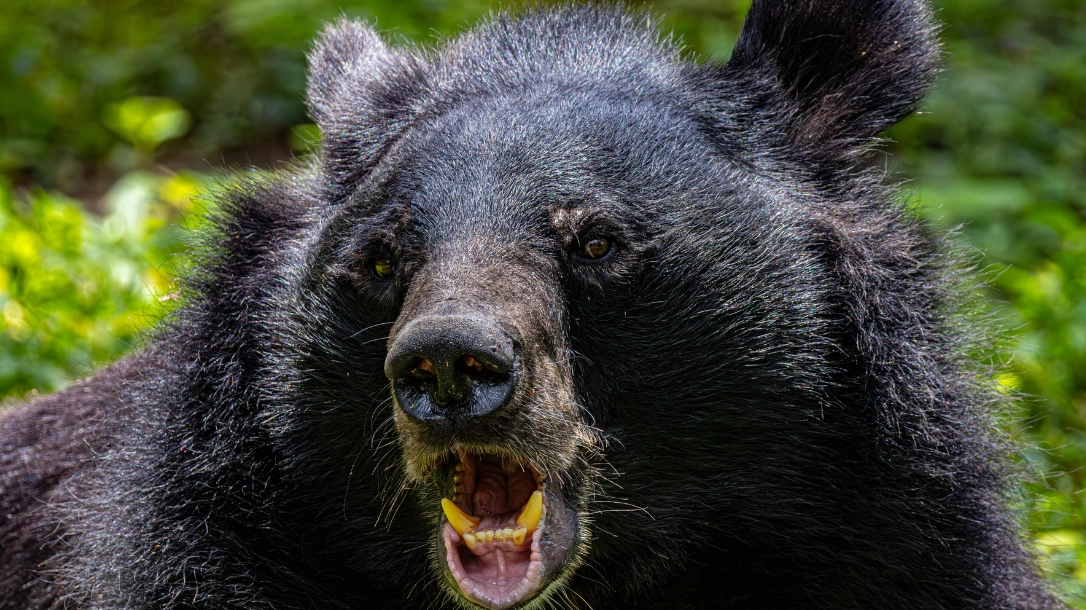
Florida’s reintroduced black bear hunt wrapped up last month with most permits going unused. The hunt highlighted both the status of the species in the sunshine state and the deep divide between wildlife biologists, hunters, and animal-rights activists.
According to the Florida Fish and Wildlife Conservation Commission (FWC), only 52 bears were harvested out of 172 permits issued, which translates to a hunter success rate of roughly 30 percent. The hunt, which ran from Dec. 6 to Dec. 28. was the the first one permitted in the state in a decade. It was designed as a conservation method to slow black bear population growth before numbers exceeded available habitat.
Bears By the Numbers
According to FWC numbers, black bear populations in Florida have increased by 53 percent statewide since 2002, with some Bear Management Units now reaching up to five times the population objectives needed to maintain a healthy population. In the East Panhandle, for example, there was an 86 perecent increase in black bear numbers. In the Northern zone, there was a reported 92 percent increase. Data is collected in ten year increments.
Those who opposed the hunt challenged the data supporting it. Some anti-hunting activists entered the permit lottery with the goal of keeping tags out of hunters’ hands. Others argued that the population data was outdated, noting that much of the research was conducted between 2014 and 2015.
Advertisement — Continue Reading Below
Conservative Conservation
FWC said the hunt was grounded in the best available science.
“The 2025 black bear hunt, rooted in sound scientific data, was a success. We’re proud to have joined the more than 30 states that manage black bears with regulated hunting,” FWC Executive Director Roger Young, said. “The limited number of permits issued in areas with the largest bear populations and other components of the hunt prioritized a conservative approach that ensures the long-term health of bear populations in Florida, while providing opportunity for hunters.”
Each successful applicant that drew a permit from the lottery system had the potential to harvest one bear, either on private land or within established Bear Hunting Zones. These zones fell within four Bear Management Units, East Panhandle, North, Central, and South, where bear populations in the state are the highest.
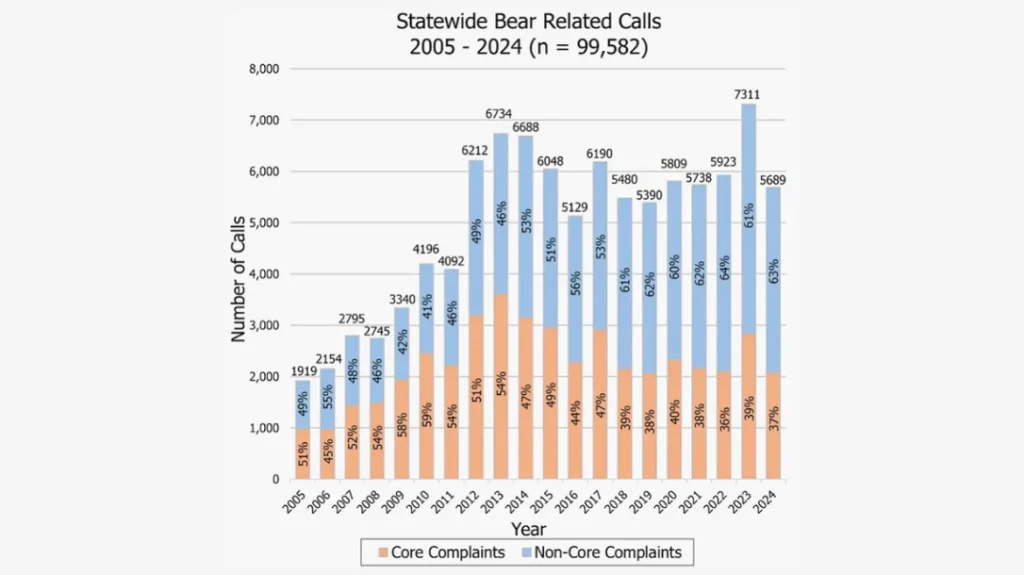
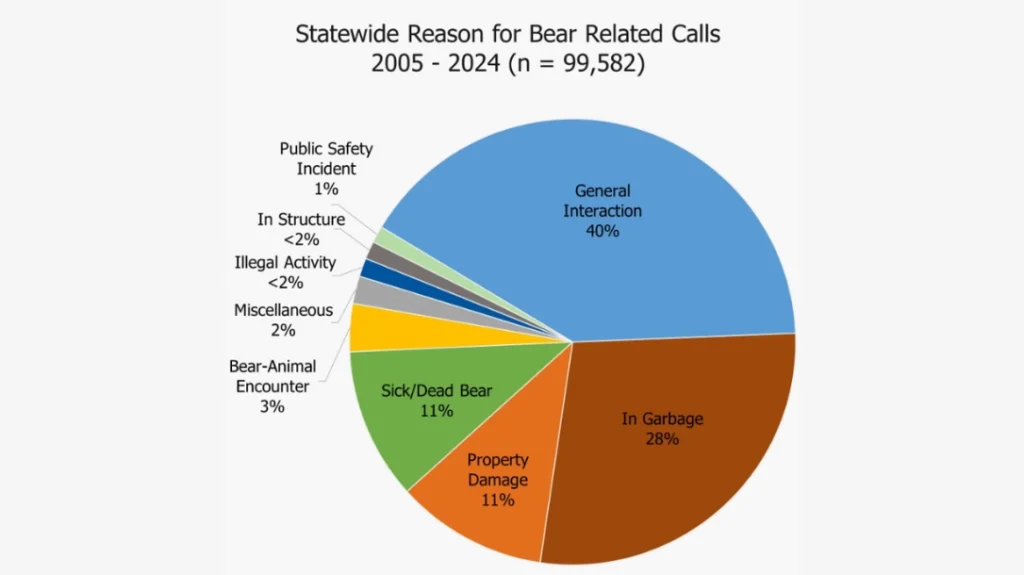
FWC data shows that Florida currently has more than 17,000 square miles of suitable bear habitat, nearly half of which is protected. In a ten-year span, the state recieved almost 100,000 bear related calls, for various reasons.
Advertisement — Continue Reading Below
Future Florida black bear hunt seasons are up in the air, pending legal challenge from the opposition.
Black Bear Backlash
Some of the vitriol aimed at the latest hunt stemmed from memories of Florida’s controversial 2015 bear hunt, which was halted after just two days when nearly 300 bears were killed, a number that far exceeded regional harvest targets.
FWC officials said that the 2025 hunt went much more smoothly.
All harvested bears were physically checked by FWC staff and bear response contractors, providing data that will be used in future management decisions and strategies, according to the agencies news report. A full harvest report is expected in the coming months.
FWC Chief Conservation Officer George Warthen defended the hunt as a necessary management tool.
Advertisement — Continue Reading Below
“Hunting is an effective tool for managing wildlife populations around the world and is a key part of the North American Model of Wildlife Conservation,” Warthen said. “It’s about helping bears succeed over the long term in our state and guiding an iconic Florida species into the future.”