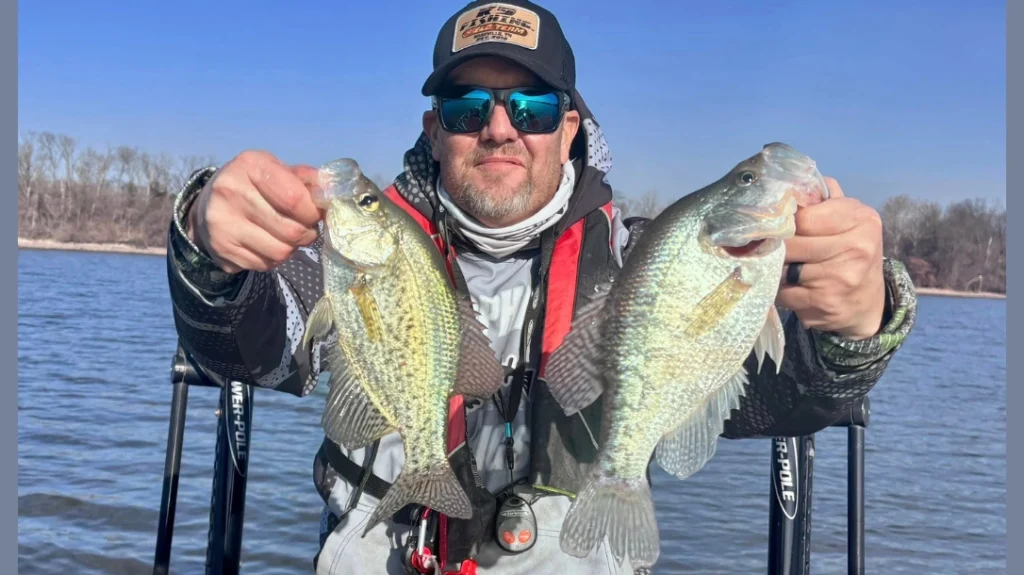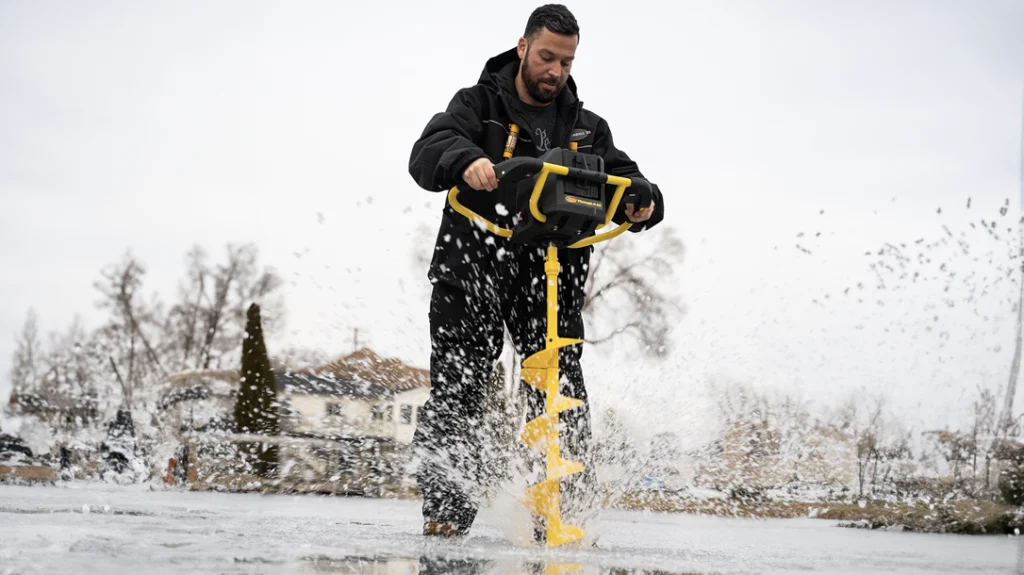
In the northern part of the country, we deal with cold water for much of the year. And I’m not talking about a slightly chilly morning. I’m talking about true cold water conditions when surface temperatures hover between 45 and 55 degrees.
Those temperatures can make fishing more challenging, but they also create unique opportunities. In Michigan, for example, many waters remain cold for more than half the year. The Great Lakes often stay at or below 50 degrees from November through late May.
To put that in perspective, humans can begin experiencing hypothermia in water below 60 degrees in as little as 45 minutes. Imagine how that feels to us and then consider what prolonged cold does to fish.
Cold Blooded Creatures
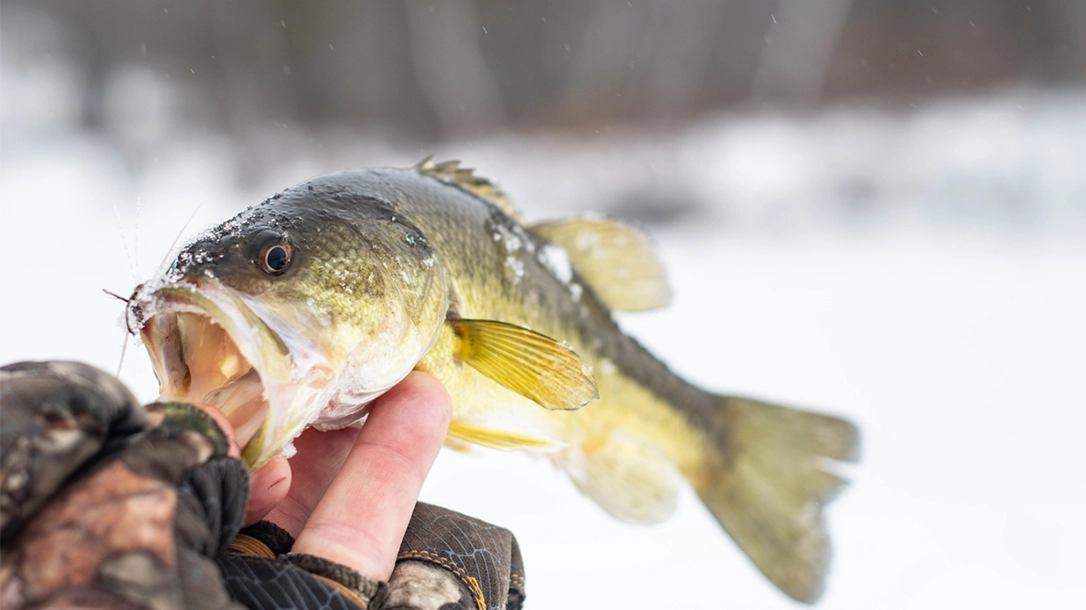
Because fish are cold-blooded, their metabolism slows dramatically in cold water. They become sluggish, conserve energy, and feed far less frequently. Their ability to digest food decreases, and they often enter a near-dormant state. As temperatures drop, fish typically move to deeper water where temperatures are more stable and less affected by air temperature. They tend to school up and suspend, conserving energy while waiting for easy feeding opportunities.
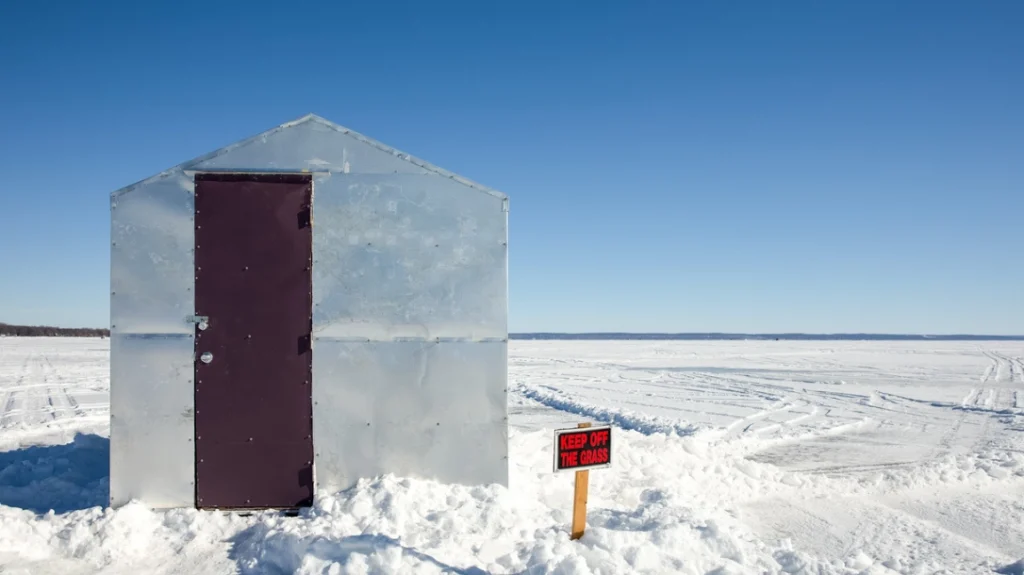
With their metabolism slowed and energy levels low, most fish will target the smallest, easiest meals available. They want food that requires minimal effort to chase and digest. That’s why ice anglers rely on small tackle and subtle presentations. In cold water, smaller and easier-to-catch meals are usually the key.
Advertisement — Continue Reading Below
Bait Suggestions
With all of that in mind, choosing the right bait, and fishing it correctly, can dramatically improve your success in cold water. These are a few proven options I rely on when temperatures dip below 60 degrees.
Blade Baits
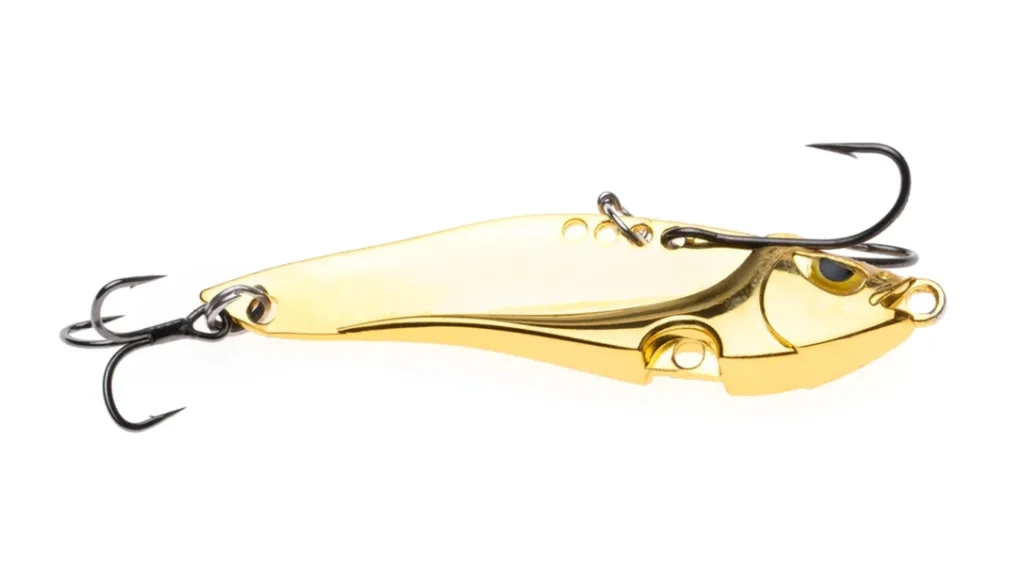
Blade baits excel in deeper water, where fish tend to hold during colder months. Fished slowly, they produce a tight, powerful vibration that can trigger even inactive fish. The key is a controlled presentation, lift and let it fall, keeping contact with the strike zone.
Jerkbaits
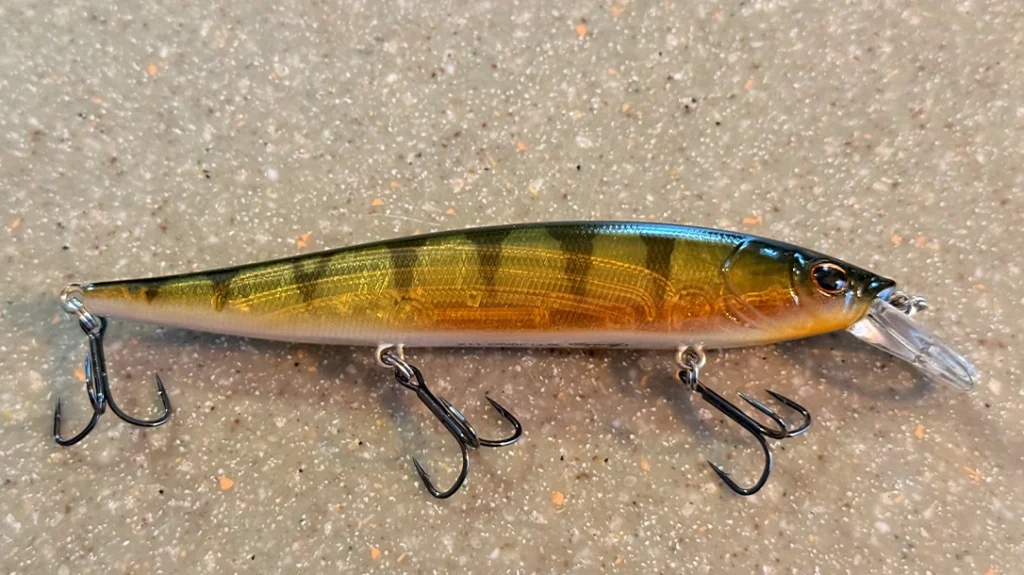
In cold water, I often call a jerkbait a “pause bait.” Most strikes happen during the pause, not the movement. When the bait suspends and sits motionless, it mimics a wounded baitfish, an easy target that requires very little energy to pursue.
Advertisement — Continue Reading Below
Football Jig
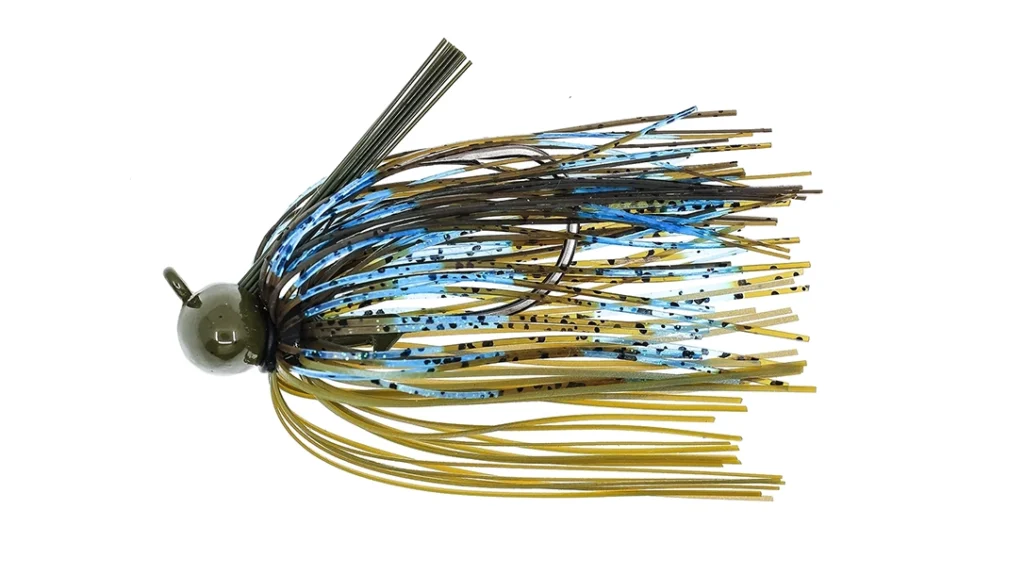
A 3/8- or 1/2-ounce football jig is ideal for maintaining bottom contact. In colder conditions, fish often hold near the bottom, and dragging or slowly hopping the jig mimics a crayfish or other slow-moving forage. Keep your retrieve deliberate and steady.
Final Thoughts
Cold-water fishing requires patience. You have to slow down, sometimes far more than you think is necessary, and focus on subtle, efficient presentations.
Whether you’re fishing late fall, winter, or early spring, some of the year’s biggest and healthiest fish are caught in cold water. If you’re willing to adjust your approach and embrace the slower pace, cold-water fishing can be incredibly rewarding.
WHY OUR ARTICLES/REVIEWS DO NOT HAVE AFFILIATE LINKS
Affiliate links create a financial incentive for writers to promote certain products, which can lead to biased recommendations. This blurs the line between genuine advice and marketing, reducing trust in the content.
Advertisement — Continue Reading Below