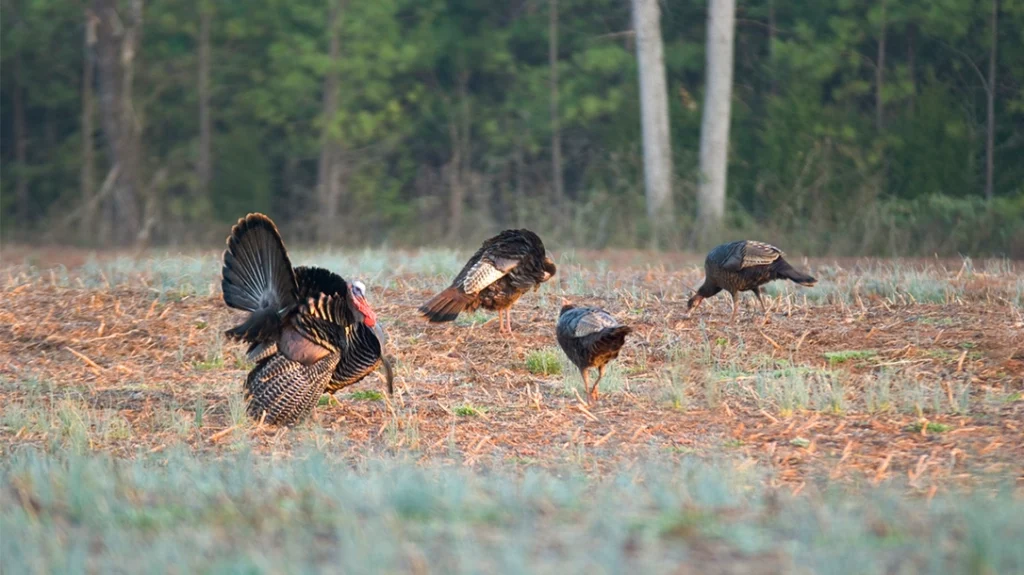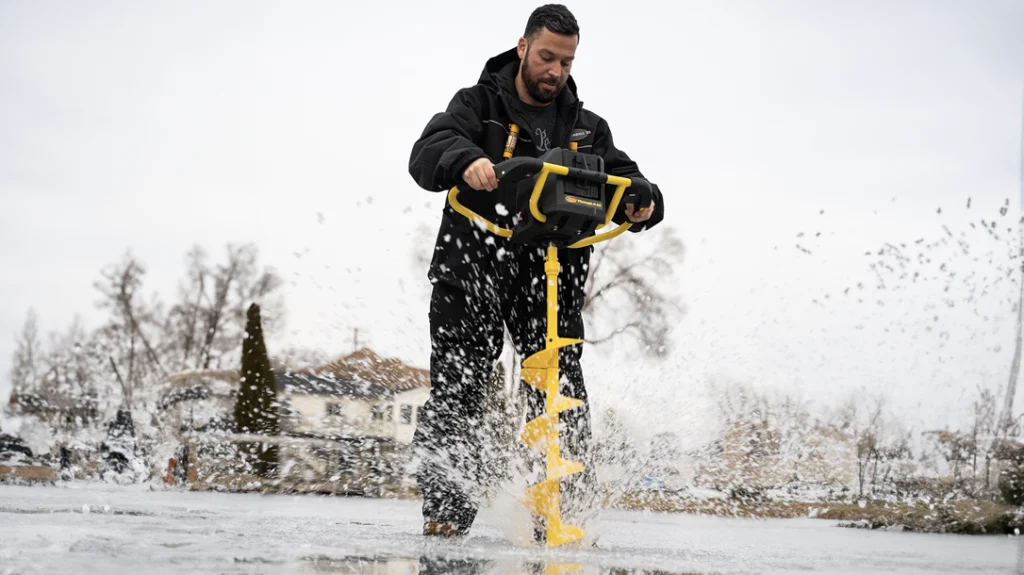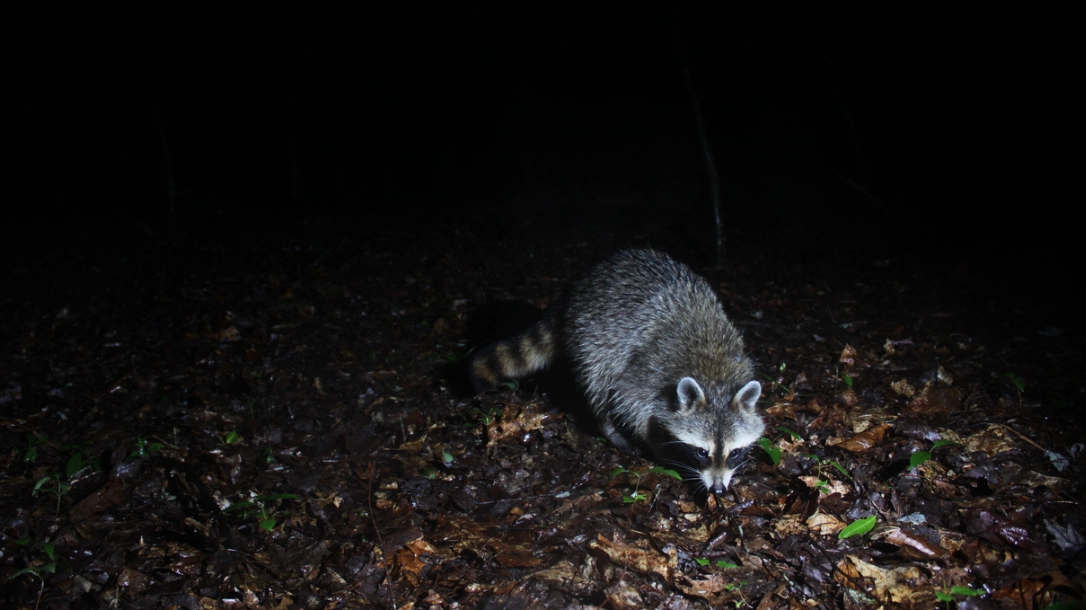
Fur trapping and turkey hunting might seem like unrelated outdoor pursuits. In reality, fur trapping helps turkey hunting by thinning out populations of furbearers that hurt turkey populations. Raccoons, skunks, opossums, foxes, and coyotes are highly effective nest predators, capable of wiping out entire clutches of eggs in a single night.
Trapping helps keep populations balanced by reducing predator pressure. Dog proof traps, designed specifically to target raccoons, allow for effective predator management while minimizing the risk to non-target animals, including pets, hence the lable “dog proof.” These traps require an animal to reach into a small opening to trigger the device, which dogs can’t do.
History of Fur Trapping
Long before the United States was founded, fur trapping was part of North American culture. The beaver fur trade was the driving force for Canadian and US exploration. The fur was used to make felt hats in Europe.
In the 19th century when felt hats went out of style, the beaver pelt market collapsed which caused trappers to focus on other furbearing animals including mink, fisher and raccoons.
Today, fur trapping continues to thrive in rural areas and is a part of life as much as hunting and fishing. However, the market is not as lucrative and while extra income is no longer the goal, many hunters utilize trapping as means to keep the population of nest robbing critters under control.
Advertisement — Continue Reading Below
Dog Proof Traps
For decades anti-trappers have cried about the cruelties of the leghold trap as the trap does not discriminate and the domestic dog is the animal most often caught by mistake. While trap designs have not changed much, Dog-Proof traps or DPs are one advancement which has helped to encourage the use of trapping for nest robbers by removing the fear of catching Rover in a trap.
Unlike traditional foothold traps, DPs have no exposed jaws or triggers, making them a practical option in areas with mixed land use.
These traps have helped make trapping more accessible and socially acceptable, particularly on farmland, near homes, or anywhere dogs may be present.
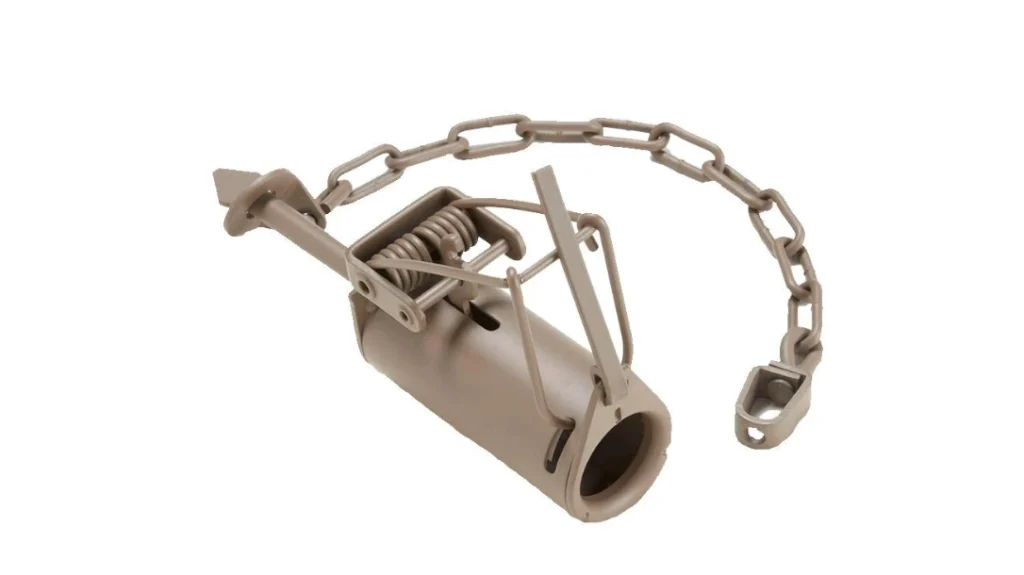
DPs consist of a small circumference tube, a trigger and a wire spring inside the tube which holds the foot of your catch until you can check your trap. The advantage: a dog’s foot is too large and cannot fit in the tube. Many states have a regulation which requires the trap’s trigger to be covered. DPs do not have an exposed trigger like a leghold trap and can be set and placed in the middle of a game trail.
Advertisement — Continue Reading Below
A Trapper’s Tips
Kristopher May of Bowerston, Ohio is a diehard long line trapper often traveling to destinations with overrun populations to trap. When trapping raccoons, he uses DPs 95 percent of the time.
DPs cost slightly more than conventional leghold traps, but May feels the extra cost outweighs the risk of accidentally catching the landowner’s dog in one of his traps.
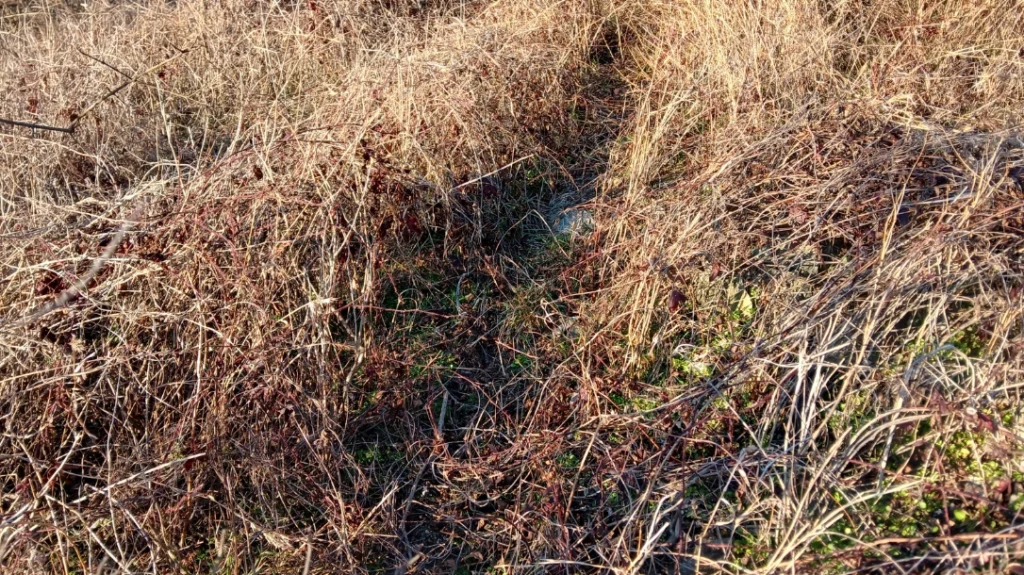
May focuses on trails used by raccoons by the amount of sign, including both tracks and scat.
While DPs do not allow most dogs to get caught in the trap, the trap does catch other nest robbers like opossums and skunks.
Advertisement — Continue Reading Below
May also traps around culverts or areas that pinch down the travel corridor of the raccoon.
“You have to set the traps where the raccoons are,” May said. “Look around these areas especially around water.”
Many trappers use a lure to attract the racoon into the proximity of the trap. Then the bait in the trap will draw them closer.
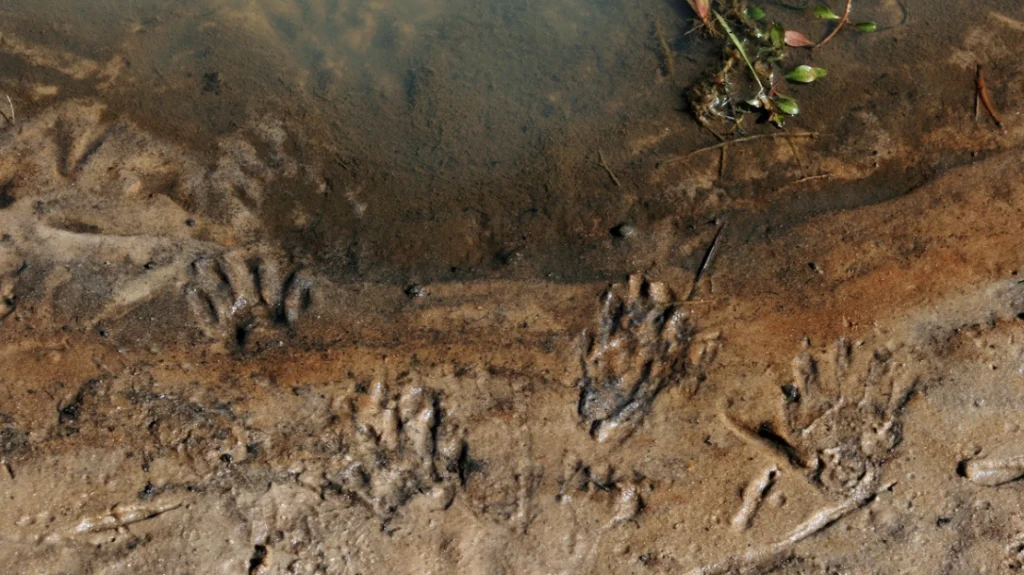
Bait for raccoons with DPs can be as simple as cat food to elaborate bait purchased or made by the trapper. Sardines, tuna or any fish-based bait is popular. The bait is put inside the tube, and the raccoon sticks his foot in the tube tripping the trigger.
Advertisement — Continue Reading Below
May cautions trappers to know state laws regarding trap tags to ensure the trap you set is legally identified. Most states require a tag. Trap tags include ownership of trap with trapper’s name, address and phone clearly marked.
While some trappers claim white powder coated traps work better. May has painted them every color and has seen no difference based on which color used. The raccoon usually gets into the first trap it comes across regardless of color, he said.
Advanced Tactics
May likes to double up the traps. He sets two traps in close proximity of one another as raccoons often travel together. His advice is to make sure the traps have enough distance between them, becuase beleive it or not, a single racoon can get caught in both traps if there is not enough space between the two.
Another tactic May uses is trapping close to feeders. Feeders serve as a natural gathering palce. The corn put in feeders is a favorite of raccoons as well as deer and turkeys. The raccoons come in to dine and finds the DP loaded with an appealing bait.
Word of Caution
May uses a .22 rifle to dispatch the raccoons caught in his traps, however, don’t ever assume the animal is dead without ensuring it is. May shares how a fellow trapper shot a trapped raccoon but as he stepped over what he assumed was a dead animal; the coon had enough life left in it to bite the trapper on the leg above his boot. As a precaution, the trapper went through a series of rabies shots following the unexpected event.
Advertisement — Continue Reading Below
If you want to help the turkey population in the area where you turkey hunt, pick up a few DPs and set some steel. Running a few dog-proof traps won’t guarantee more birds but it gives turkeys a fighting chance.
WHY OUR ARTICLES/REVIEWS DO NOT HAVE AFFILIATE LINKS
Affiliate links create a financial incentive for writers to promote certain products, which can lead to biased recommendations. This blurs the line between genuine advice and marketing, reducing trust in the content.