There is a specific, primal satisfaction that comes with outdoor exploration. It’s the feeling of conquering a trail, the smell of pine needles, and the noble pursuit of burning a marshmallow until it resembles a charcoal briquette. However, the line between “rugged adventurer” and “miserable person shivering in a puddle” is thinner than a single-ply tent wall.
When you’ve spent your day battling elevation gains and aggressive squirrels, there are few luxuries more profound than sliding into a dry sleeping bag. But a blissful night’s sleep is not a matter of luck; it is a matter of strategic real estate. In the wilderness, “location, location, location” isn’t just a real estate cliché, it’s a survival strategy. To help you avoid a night of character-building hardship, let’s analyze the architectural nuances of the forest floor.
Windbreaks: Your Invisible Best Friend (or Worst Enemy)
In the world of camping, wind is the ultimate uninvited guest. Depending on the season, a windbreak is either a majestic shield or a stifling barrier.
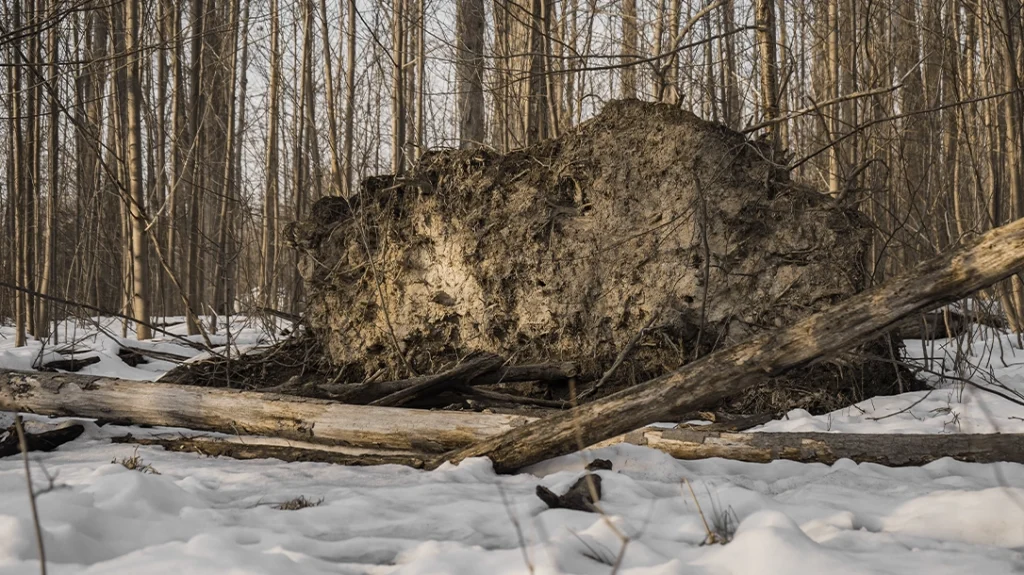
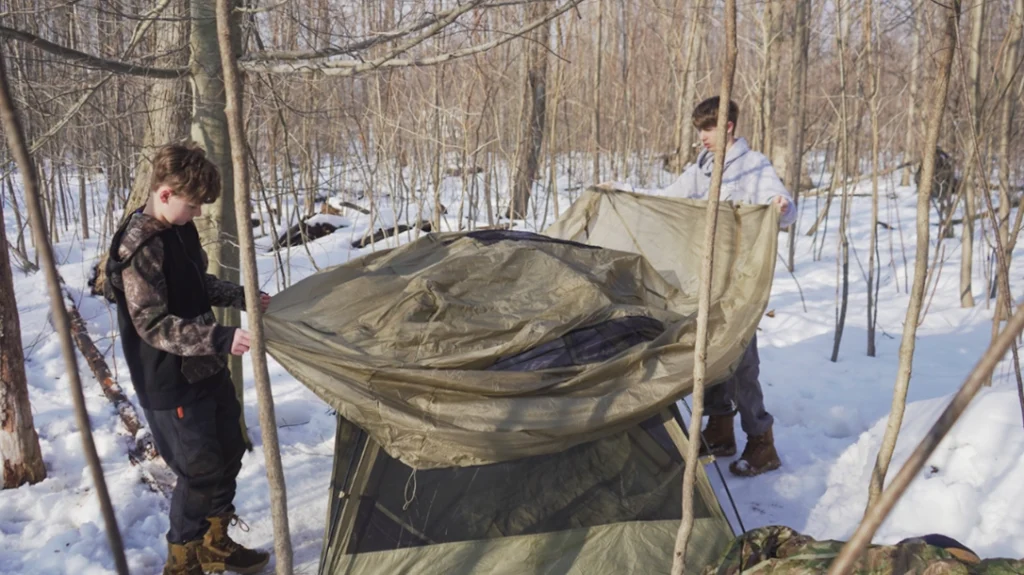
- The Winter Shield: When camping in the colder months, a windbreak is the difference between a cozy evening and feeling like you’re sleeping inside a walk-in freezer. Natural barriers—such as a dense line of hemlocks, a sturdy rock formation, or a conveniently overturned root ball—intercept the abrasive gusts before they can strip the heat from your tent.
- The Summer Stagnation: Conversely, during a July heatwave, seeking a windbreak is a tactical error. In the heat, you want every available molecule of moving air to pass through your tent’s mesh. Choosing a spot tucked behind a thicket of shrubbery in the summer is essentially turning your tent into a high-end sous-vide bag for humans.
Tip: Position your campfire downwind of your tent, but use the windbreak to keep the flame steady. You want the heat, not a face full of smoke that makes you look like you’ve been weeping for three days.
Advertisement — Continue Reading Below
The Tree Canopy: Nature’s Umbrella (with Caveats)
The overhead foliage is more than just a pretty backdrop for your Instagram photos; it is a complex meteorological filter.
- Rainy Season: A thick canopy is nature’s umbrella. It can diffuse a heavy downpour into a light mist, keeping your gear significantly drier.
- The Snow Trap: However, the canopy’s loyalty is fickle. During early snowfall, those same branches catch the flakes. This looks charming until the weight reaches a critical mass, at which point the tree decides to “unload” several gallons of slush directly onto your tent at 3:00 AM. In the winter, give the trees some space.
Widow Makers: The Unfiltered Reality
In camping circles, we use the term “Widow Maker” not for dramatic flair, but as a literal safety warning. These are dead standing trees or large, detached branches caught precariously in the upper reaches of the canopy.
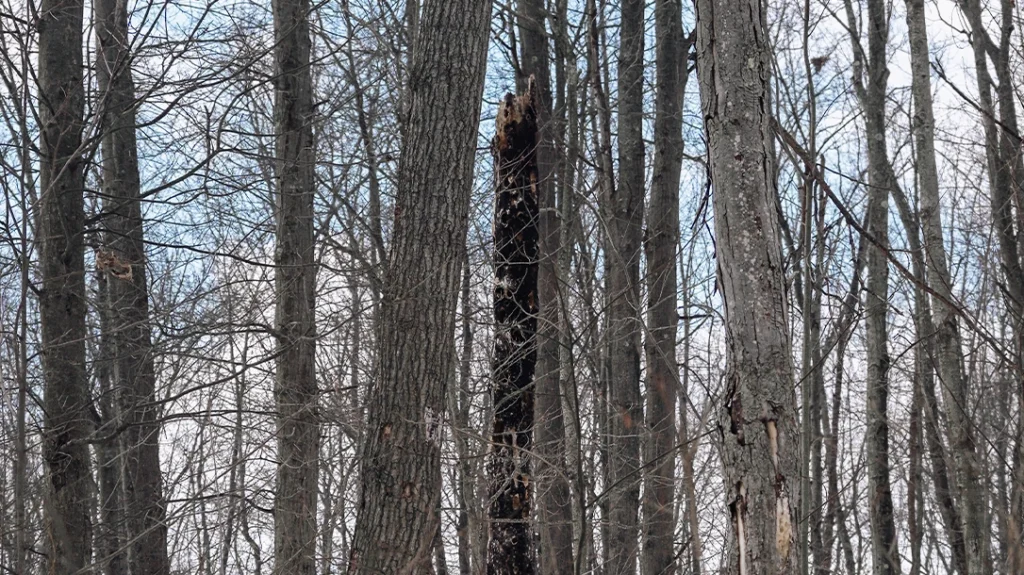
There is no “professional” way to put this: Do not sleep under them. A gentle breeze is often all it takes to turn a dead oak limb into a high-velocity projectile. Before you even unpack your stakes, perform a skyward sweep. If you see a grey, barkless limb dangling over your tent like the Death Star over a rebel base, it’s time to move. No view is worth the risk of a literal eternal rest. If you can’t safely knock it down with a long stick (from a distance!), find a new zip code.
Valleys vs. Low Spots: A Geography Lesson
Many novices use “valley” and “low spot” interchangeably. To the seasoned camper, this is like confusing a swimming pool with a bathtub. Both involve water, but the scale of the disaster differs.
Advertisement — Continue Reading Below
The Valley
A valley is a broad depression in the landscape. The perk is that cool air is denser than warm air, meaning it settles in valleys at night. On a scorching summer night, a valley floor can be a refreshing natural air conditioner. The pitfall is that during the rainy season, valleys become the drainage pipes of the earth. If it starts to pour, you may find yourself camping in the middle of a temporary river.
The Low Spot
A low spot is a localized indentation, like a bowl in the ground. These are the true villains of the campsite. If you pitch your tent in a minor depression, gravity will ensure that every drop of rain within a twenty-foot radius finds its way under your sleeping pad. You will wake up feeling like a human tea bag. Similarly, a low spot is the worst place for a fire pit; unless you’re trying to boil your firewood, keep your flames on the high ground.
Open Fields: The Illusion of Freedom
Open fields look beautiful in movies. In reality, they are the most exposed, volatile environments you can choose. In the summer, you’re basically Luke Skywalker roasting under twin suns, except you don’t even have a cool droid to help you. Without shade, your tent will reach temperatures that could successfully proof bread dough by 8:00 AM. And in winter, an open field offers zero resistance to wind. Without a windbreak, your tent becomes a giant kite, and you are the reluctant anchor. Unless you enjoy the sensation of your shelter trying to migrate to the next county while you’re inside it, stick to the edges of the woods.
The Verdict: The Perfect Spot
By now, you might be convinced that every square inch of the wilderness is trying to either drown, freeze, or crush you. This is only partially true. Finding the perfect spot is an exercise in compromise and observation. It’s an art form that requires more than five minutes of wandering.
Advertisement — Continue Reading Below
- In Summer: Look for high ground with a breeze and a thick and luscious canopy for afternoon shade.
- In Winter: Prioritize heavy windbreaks and avoid the “snow-dump” potential of thick evergreens.
- In the Rain: Think like water. Look at the ground and ask, “If I were a raindrop, where would I go?” Then, go somewhere else.
The next time you head out, don’t settle for the first flat patch of dirt you see. Scout three or four options. Check the wind, look at the clouds, and for the love of all that is holy, look up at the branches. Your future self—warm, dry, and surprisingly un-crushed—will thank you.
WHY OUR ARTICLES/REVIEWS DO NOT HAVE AFFILIATE LINKS
Affiliate links create a financial incentive for writers to promote certain products, which can lead to biased recommendations. This blurs the line between genuine advice and marketing, reducing trust in the content.