The shotgun is quite unique any way you look at it. Contrary to a rifle, you point a shotgun and slap the trigger rather than squeeze it. Shotguns have come a long way. Forty years ago, to find a screw-in choke on a shotgun was an oddity. The same goes with fiber optic front sights and you were as apt to pick a shotgun that did not have a ventilated rib as one that did. Back then the 12 gauge was king in the shotgun world.
Today, there is a lot of focus on sub-gauge shotguns. Whether this is due to the advancement of ammunition in the form of Tungsten Super Shot or because more hunters are interested in challenging themselves with a smaller payload and less recoil, manufacturers are listening. In 2025, a flurry of 20-gauge autoloaders hit the market. Here at Ballistic’s Best we thought it was high time we did a review to see which 20 gauge shotgun would come out on top.
20 Gauge Shotgun Shooters & Ammo
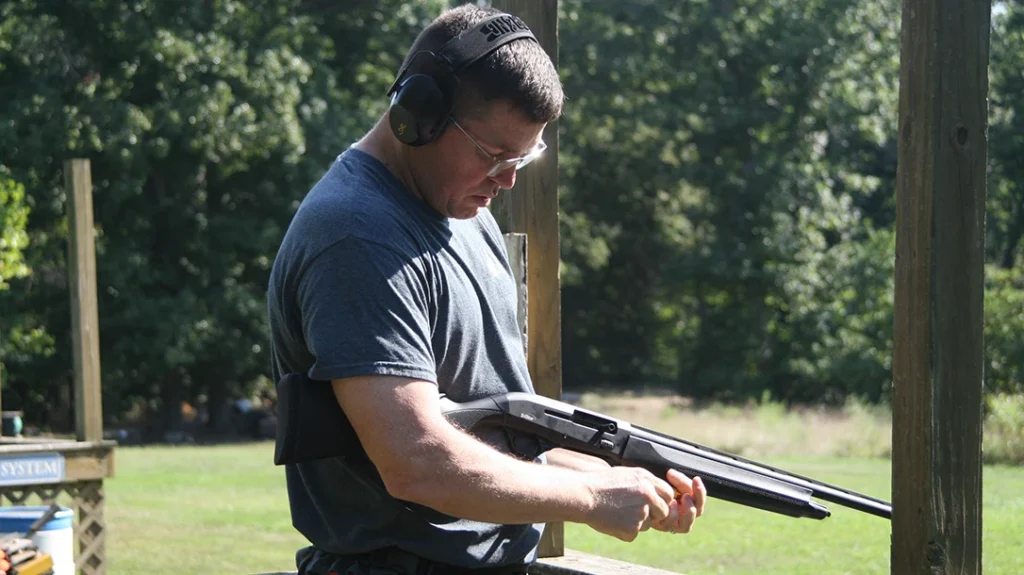
I roped in a couple of buddies to help me with this test which wasn’t difficult since I was providing shotguns and ammunition. Matt Helms is a waterfowler and turkey hunter and a ringer on the sporting clays range. T.J. Singler is a black gun expert but was just a bit rusty on the sporting clays range, but it didn’t take long before he was busting birds. I have been shooting shotguns for nearly 50 years from .410 to 10 gauge both for pleasure and in my work as a gunsmith.

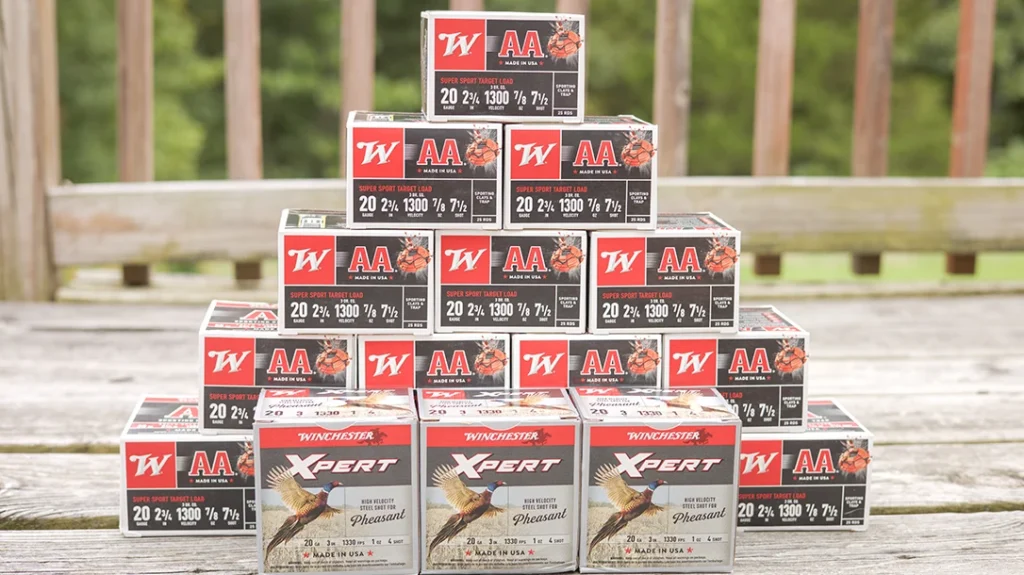
To help out with the ammunition I contacted Winchester with the project. They responded by sending out several cases of ammunition including their phenomenal AA trap loads. A big thank you to Winchester for helping us out.
Advertisement — Continue Reading Below
Out To The Clays
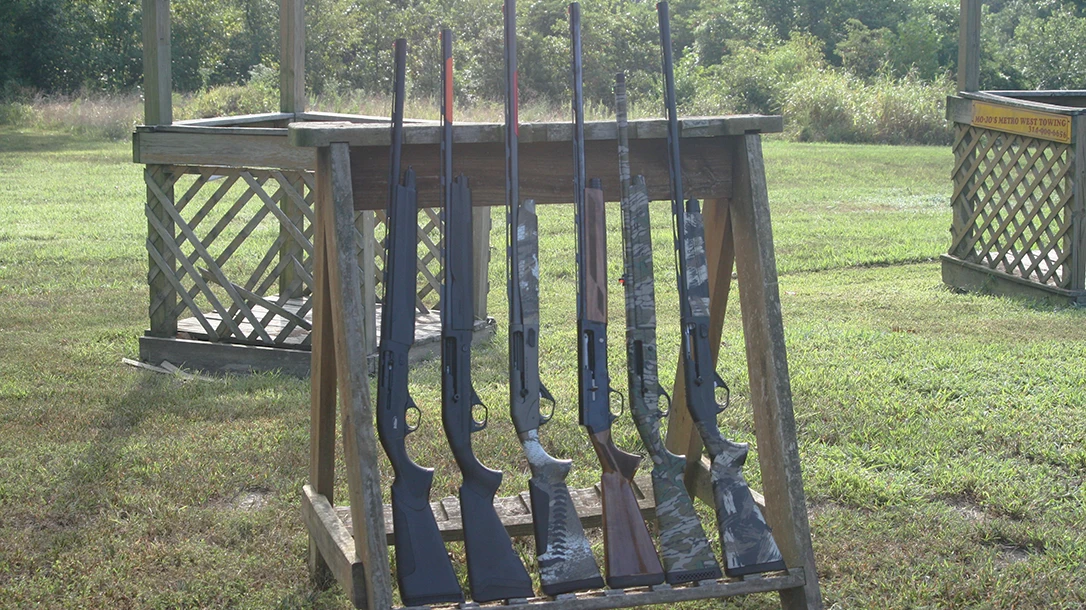
We tested out six hunting shotguns. To simulate hunting conditions in the field, we headed to the sporting clays range to put these shotguns through their paces. For those not familiar with sporting clays, a shooter goes through a series of stations to simulate hunting situations. The clay target is thrown in a random direction rather than a set direction like tarp or skeet. Often two targets are thrown one at a time. The second one is released at the report of the first shot or both birds are thrown simultaneously. The idea is to represent targets a hunter might encounter whether duck, pheasant or even rabbit hunting.
Six 20 Gauge Shotguns
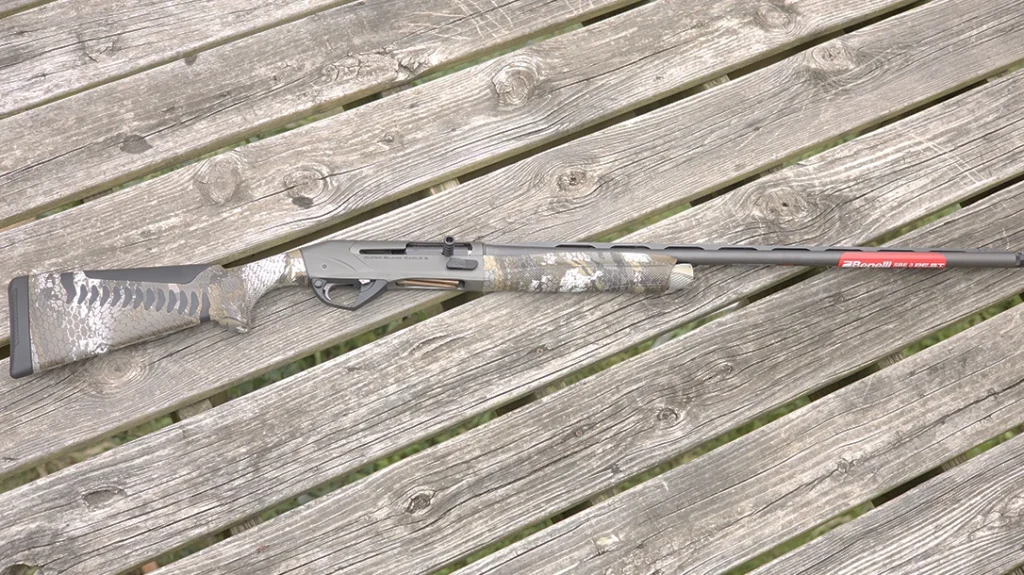
Benelli Super Black Eagle 3 AI B.E.S.T.
The Benelli Super Black Eagle 3 is known for its dependability and smooth action. In 2025 Benelli stepped up their game with the Super Black Eagle 3 AI B.E.S.T. technology.
Browning A5
The long-awaited release of the Browning A5 in 20 gauge couldn’t have happened at a better time.
Advertisement — Continue Reading Below
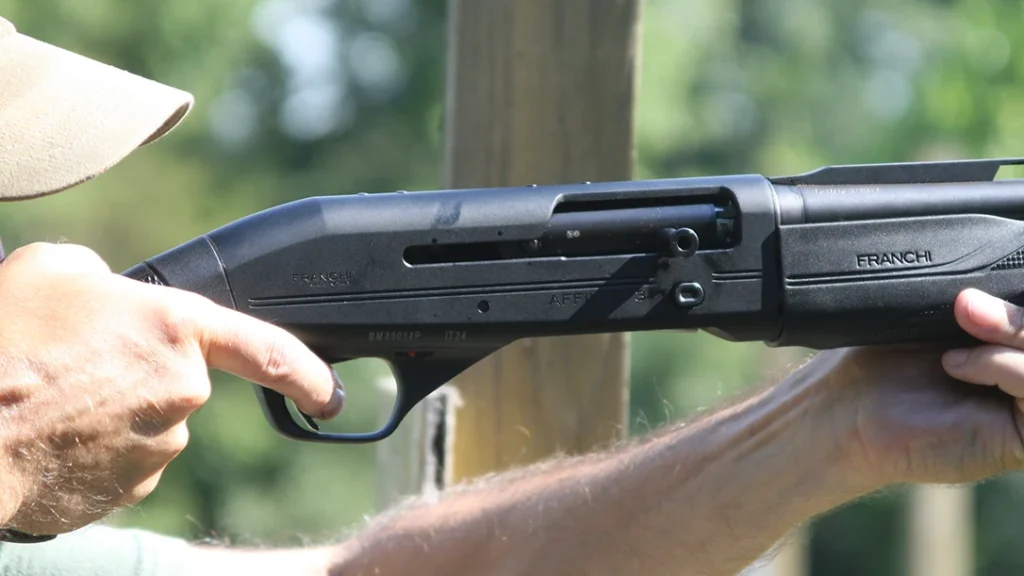
Franchi Affinity 3
The Franchi Affinity 3 is the accumulation of years of the tried and trued Affinity shotgun, not to rest on their laurels Franchi has given their proven shotgun a facelift with the Affinity 3.
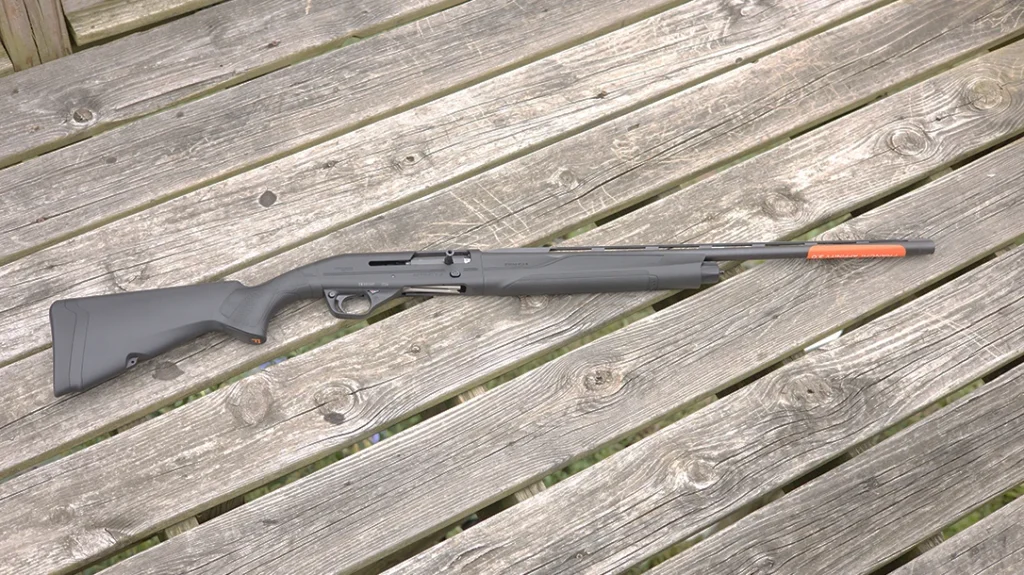
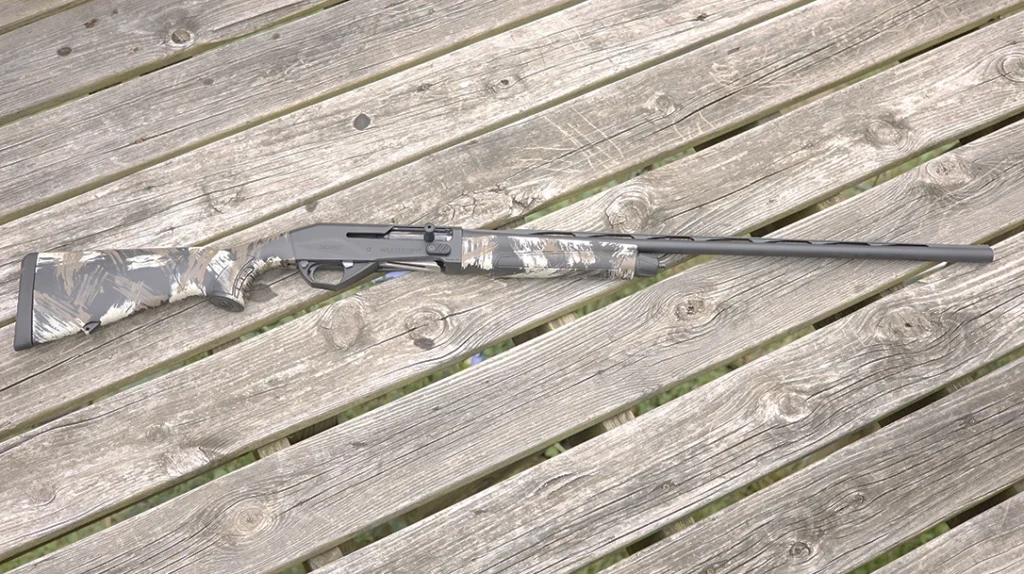
Mossberg International SA-20 Turkey
The Mossberg International SA-20 Turkey was a bit of a departure from the other shotguns as it sported a 22 inch barrel and a gas operating system. It will be interesting to see how this shotgun fairs against the inertia operated shotguns.
Advertisement — Continue Reading Below
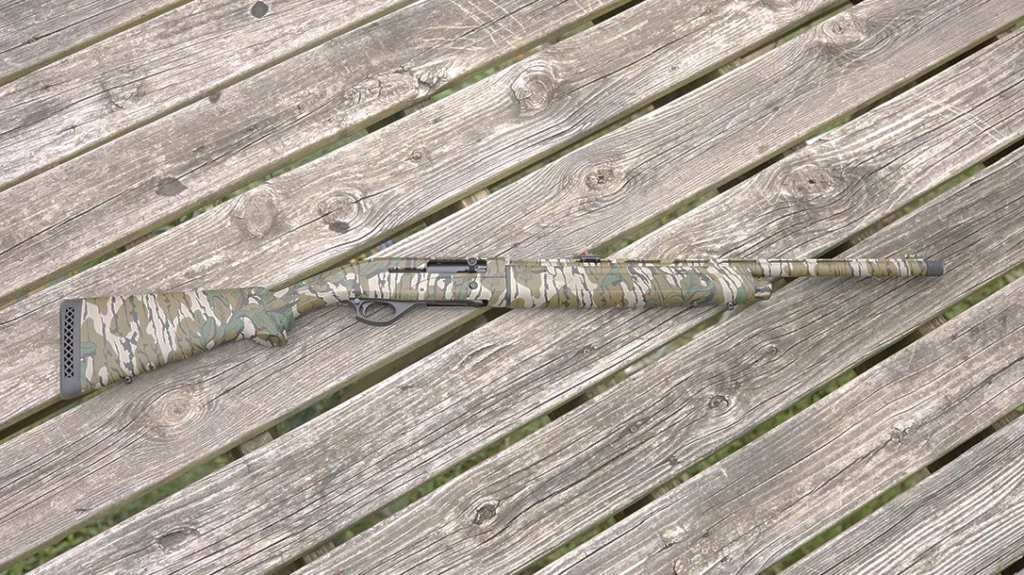
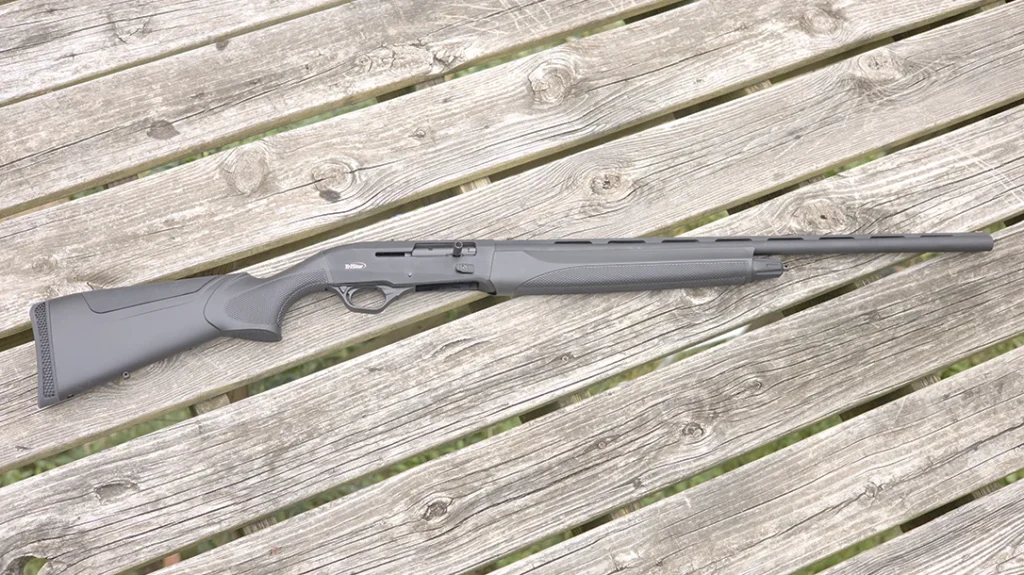
TriStar Raptor II
TriStar Raptor II is also a gas operated shotgun with its history of dependability and value theRaptor II should hold its own.
Weatherby Sorix
And finally, the Weatherby Sorix, with the cult like following of the 12 gauge, the 20 gaugemodel is destined to be as popular as its big brother.
Final Score
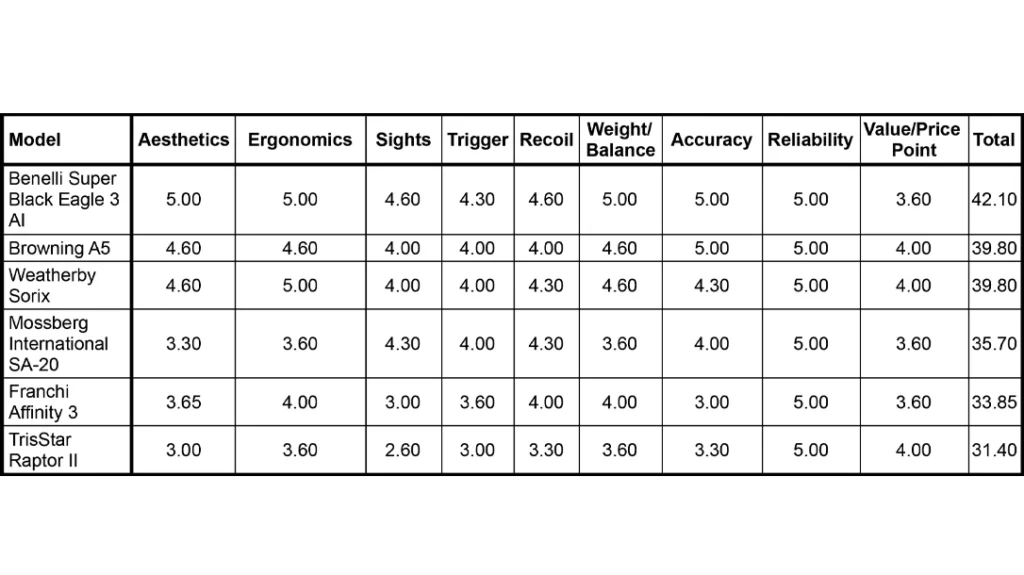
After several rounds of sporting clays and hundreds of shots, the evaluators had a good idea of how they planned to score each of the shotguns. They knew what they liked and didn’t like about each of them. As the sun headed higher in the sky we headed to the clubhouse to beat the heat and score the shotguns.
Advertisement — Continue Reading Below

All six of the shotguns we tested performed flawlessly using a variety of ammo.
TriStar Raptor II
The TriStar Raptor II shot well. The gun pointed well but seemed a bit unbalanced with extraweight. It fed a variety of ammunition from the target loads to the heavier pheasant loads. It offers a newly designed, very petite stock and forearm with an oversize operating handle and bolt latch, soft recoil pad, a rubber cheekpiece on the stock to keep from bruising your cheekbone anda fiber optic sight. The Raptor II is also shipped with a Full, Modified and Improved Cylinder choke tube.
However, it did have several detractors. One of the issues being the cartridge stop lever on the shotgun. It seemed more like an afterthought than a design feature and was clumsily placed on the triggerguard being mistaken for the safety by one of the evaluators. This aspect along withthe awkward weight and balance put the Raptor II in the sixth position. The Raptor II is a heck of a good bargain for $539. The receiver is grooved like a rimfire .22 rifle rather than drilled and tapped. I’m not sure how this would hold up with a scope mounted to it, but I think it would probably be fine with a red dot.
Advertisement — Continue Reading Below
Franchi Affinity 3
The Franchi Affinity 3 is built on the proven Affinity platform and has features of a more costly shotgun. Both evaluators (Matt and TJ) shot the Franchi just fine, however I could not hit any targets with it. I don’t think it’s the shotgun’s fault, but rather my big, old, watermelon noggin.The stock bruised my cheekbone while shooting the Affinity 3.It just didn’t fit me.
The generous beveling of the loading port eases loading even with gloved hands. The stock has spacers which fit between the stock and the receiver to help individuals fit the stock, but it is designed to fit the masses. It is drilled and tapped for optics and is shipped with Full, Modified and Improved Cylinder choke tubes. The Affinity features the TSA recoil pad which reduces felt recoil by up to 50 percent. The Affinity 3 also comes with a 7-year warranty. It has a MSRP of $1,079 but I believe it is a lot of gun for the money.
Mossberg International SA-20 Turkey
The Mossberg International SA-20 Turkey was a bit of a wildcard coming into the testing with its 22-inch barrel, extra full choke tube and turkey sights mounted on the barrel. It shot well and busted clay targets on the sporting clays range. The gas operated SA-20 in the field was not as smooth as the inertia operated shotguns, but it performed well enough to score a 4th place finish.
The International SA-20 is lightweight at just 5.5 lbs. It is shipped with a Picatinny mount formounting optics on the drilled and tapped receiver. And comes with fiber optic front and back turkey sights and was decorated in Mossy Oak Greenleaf. With a MSRP of $902.00 it’s a lot of gun. If you are a one-gun hunter and can only afford one gun to do everything from turkey to waterfowl, this gun is for you.
Advertisement — Continue Reading Below
Second Place Tie
The Browning A5 and the Weatherby Sorix tied for second place. A tighter race for the two couldn’t have been orchestrated. Both shotguns felt and looked great. The Weatherby Sorix did have more ergonomically friendly controls in the oversized bolt latch and operating handle, but the Browning felt just a bit smoother than the Sorix to straighten out the slight advantage of one over the other. All the evaluators enjoyed shooting both guns.
Weatherby Sorix
The first thing you will notice with the Sorix is you can see through the receiver. This is the SHIFT system that allows the operating handle to be switched to the left for southpaws. The soft touch grips offer a non-slip handle. It possesses an oversized bolt latch and operating handle withextra deep beveling cuts at the loading port to allow for loading even with gloves. It also featuresa stepped rib and an LPA fiber optic sight.
The Sorix is shipped with Cylinder, Improved Cylinder, Modified, Improved Modified, Fullchoke tubes. The receiver is drilled & tapped for optics. The Sorix also includes stock spacers for cast and fitting of the stock to each individual shooter. The barrel and receiver are finished in Cerakote while the stock and forearm are hand painted in Sheridan, Wyoming at the Weatherby facility. MSRP for the Weatherby Sorix is $1,549.
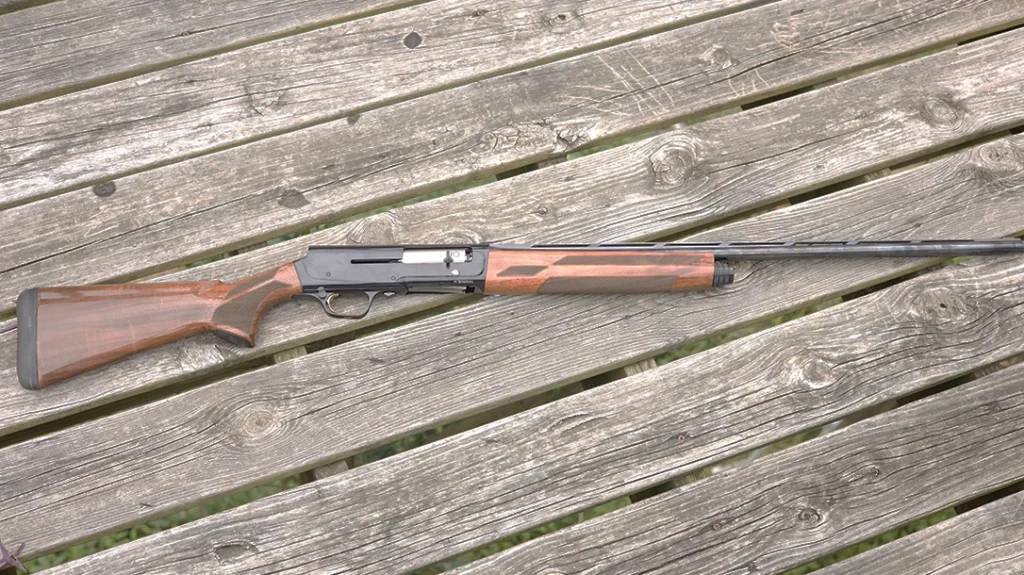
Browning A5
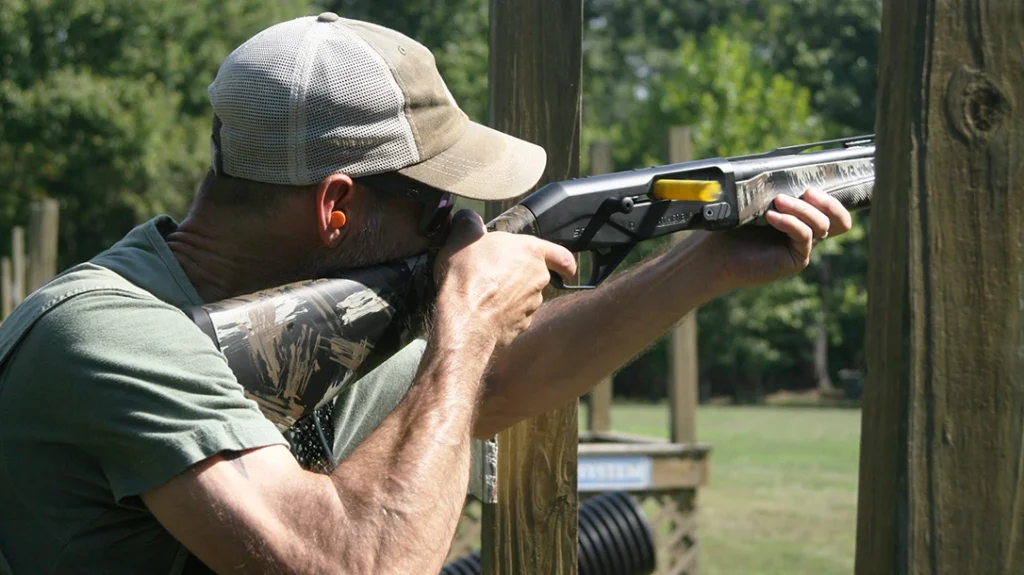
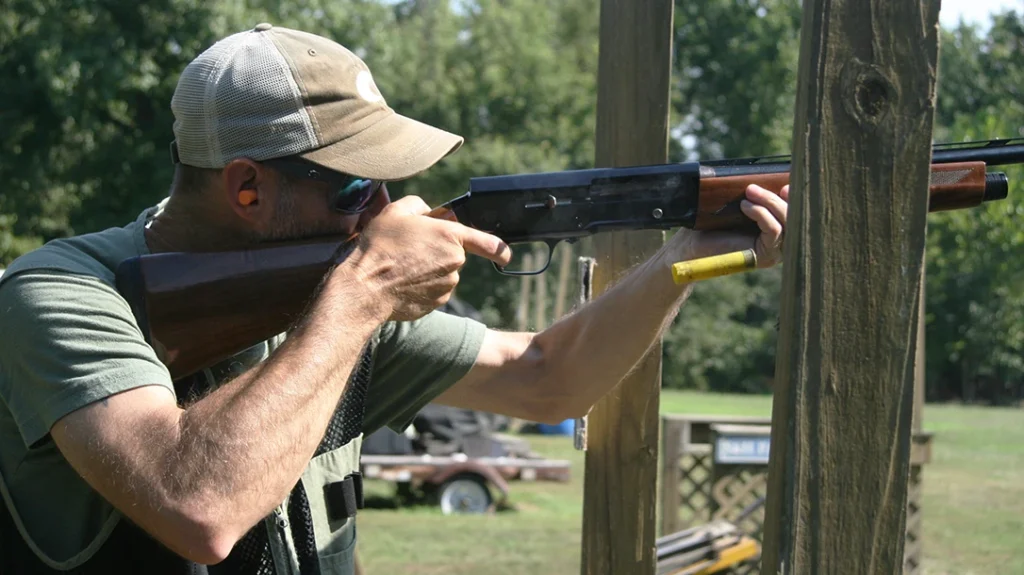
The A5 has a humpback design. Since I grew up shooting an original Auto 5, it offered a bit of nostalgia and was like shooting with an old friend. It ran very smoothly. However, the other evaluators who were not accustomed to the humpback design found it to be a detractor for the shotgun. The A5 features the Inflex recoil pad to soak up any recoil. Due to its smaller frame sizethe shotgun balanced very well, and the flat rib allows a 50/50 pattern downrange. The test model came with a mid-rib bead which was found to be annoying to one of the evaluators.
Advertisement — Continue Reading Below
The A5 20 gauge tested with a walnut stock with a high gloss finish to match the finish on the entire shotgun. It would benefit from an oversized bolt latch and operating handle. I did appreciate the ergonomics of the bolt latch located just forward of the triggerguard. And, as many have come to expect from Browning, the bottom loading feature lived up to its moniker Speedfeed Plus. As a side note, this was the only shotgun in the test that did not have a method to mount an optic. The A5 comes with stock spacers to fit the stock to the shooter and a Full, Modified and Improved Cylinder DS choke tubes. The MSRP on the A5 is $2,070.00
And The Winner Is…
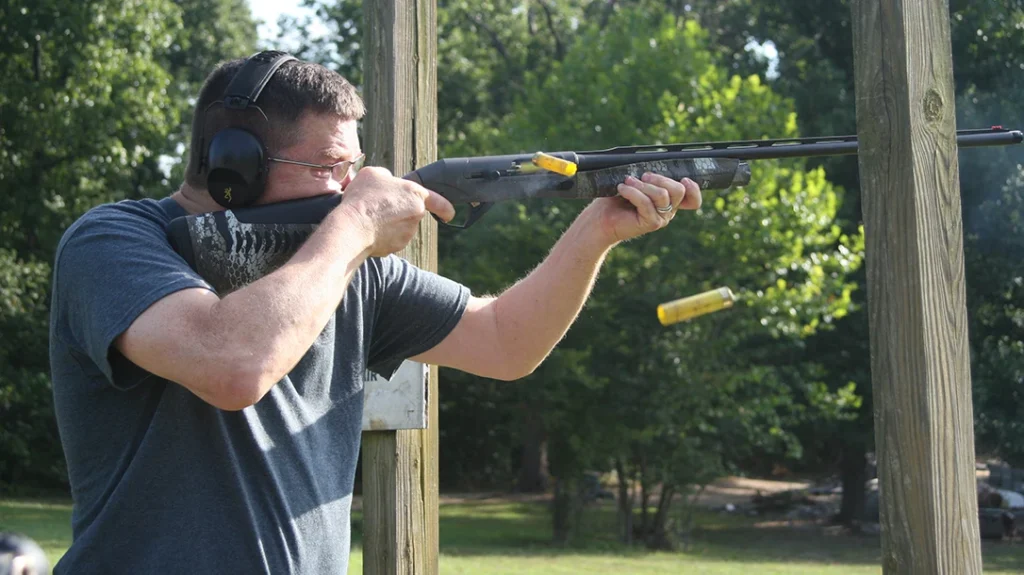
The hands down winner of the 2025 Ballistic Best 20 gauge autoloaders was the Benelli SuperBlack Eagle 3. The SBE3 was everything a shotgun should be. It felt great in the hands. It balanced well and shot even better. Each tester ran several rounds without a miss. The new for 2025 Advanced Impact technology in the barrel boasts a 50% increase in penetration and pattern density. It proved itself on the clays range as the clay targets were reduced to dust when they were hit.
The coating on the SBE3 AI is the Benelli Surface Treatment. A revolutionary coating applied to nearly every metal part of the shotgun which is corrosion and abrasion resistant and boasts a 25 year warranty against rust and corrosion. From its carbon fiber rib to its Comfort Tech 3 recoil reduction system. The SBE3 truly is a Lamborghini disguised in the form of a 20 gauge shotgun. One of the evaluators was overheard telling his wife. “Yeah this day of shooting cost me $2,999 the MSRP of the SBE3.
Advertisement — Continue Reading Below
Thoughts After Shooting
Gone are the days of one size fits all shotguns. Perhaps this is due to manufacturers listening to the customer and their changing needs and interests. The appeal for higher end shotguns that look as good as they shoot has certainly surpassed the desire for plain barreled shotguns.
Four out of the six shotguns tested were inertia operated. The two exceptions were the Mossberg and the TriStar. The recoil from the inertia operated shotguns is very manageable, however, I find the 12 gauge uncomfortable to shoot. This is especially true with turkey loads and many waterfowls loads. My shoulder just can’t withstand the punishment of the recoil.
All of the shotguns tested were synthetic stocked except for the Browning A5. The Browning was and still is in high demand and the wood model was the only model available when I approached Browning with the request.
All of the shotguns like so many today are catering to buyers by offering features likeadjustability in the stocks not only in length of pull but cast on and pitch as well.
Fiber optic sights were standard on all the shotguns we tested. Most of them were drilled and tapped for an optic. While this feature is not important with waterfowlers, turkey hunters like this feature.
What did the day at the range show me about the newest bunch of shotguns?
The sub gauges have been around for a long time and with modern ammunition will rival the 12 gauge in knockdown power while being easier on the shoulder. Several of the models tested already feature 28 gauge and .410s and I look forward to even more sub gauge shotguns enteringthis arena.
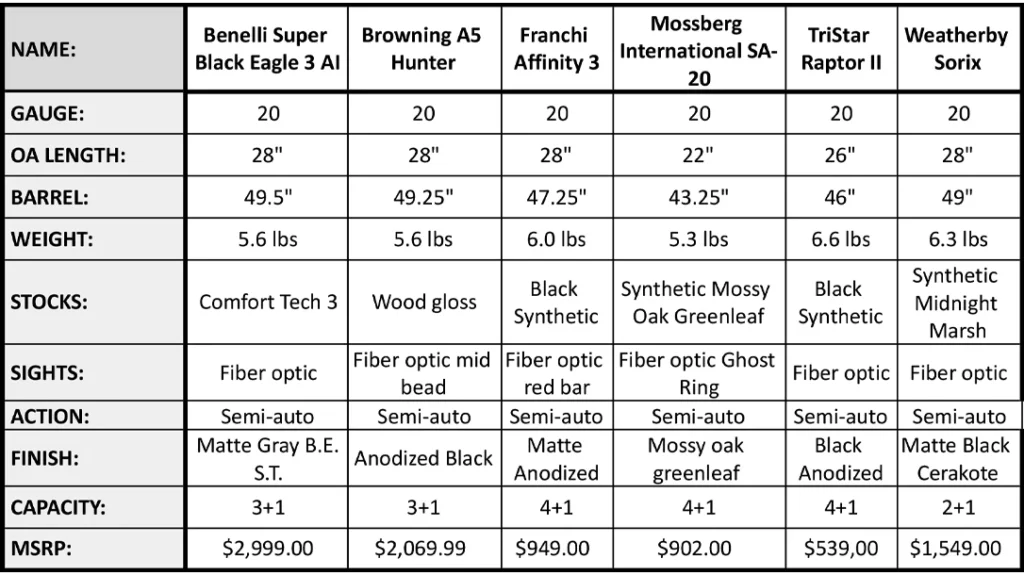
Specifications
Rankings
WHY OUR ARTICLES/REVIEWS DO NOT HAVE AFFILIATE LINKS
Affiliate links create a financial incentive for writers to promote certain products, which can lead to biased recommendations. This blurs the line between genuine advice and marketing, reducing trust in the content.