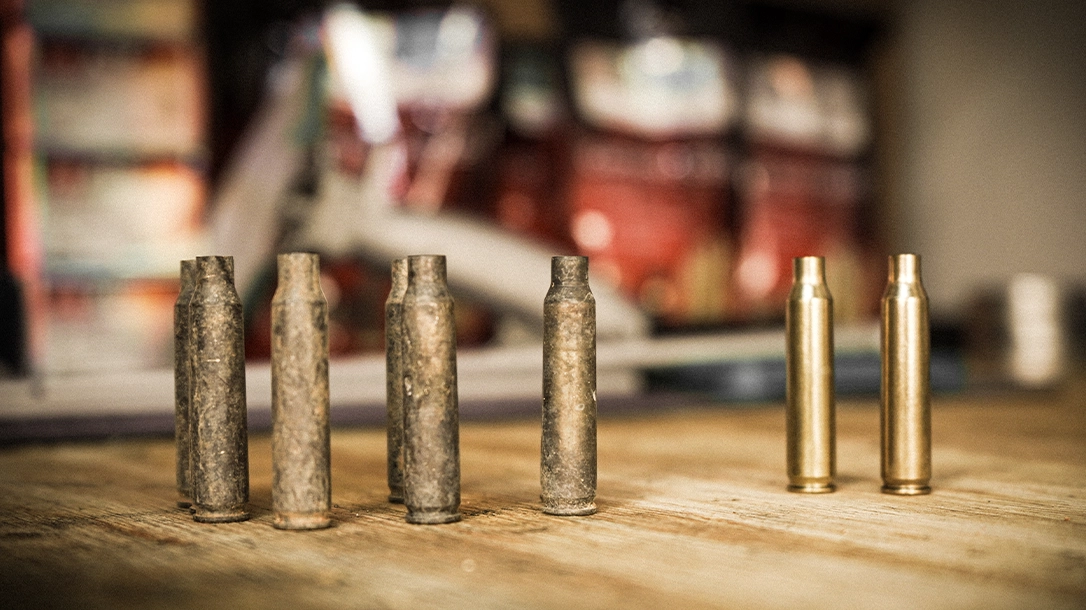
Ah, brass. The gleaming byproduct of a satisfying range session, the only truly guilt-free souvenir you can scoop up after sending rounds downrange. For the budding reloader, especially one trying to convince their significant other that hand-loading is a fiscally responsible endeavor, that scattering of golden cylinders on the ground can look like buried treasure. Visions of stretching those ammo dollars dance in your head with each piece you gleefully pocket.
But hold your horses, prospector. While the allure of free brass is strong, especially when you’re in the early stages of justifying your new (and, let’s be honest, slightly intimidating) reloading setup, remember the age-old adage: just because it’s shiny doesn’t mean you want it. That alluring gleam can hide a multitude of sins, and treating every piece of range pickup like virgin brass is a recipe for disaster in the form of frustration, wasted components, and even gun damage and bodily harm.
Sorting
The first hurdle in your newfound brass-collecting hobby is the decidedly un-glamorous task of sorting. Yes, you, the proud owner of a burgeoning reloading bench, will be spending quality time separating your tiny golden nuggets by caliber. Now, you might be scoffing. “Of course, I know the difference between a .308 and a .223!” And you’re probably right. Those are the linebacker and the nimble point guard of the cartridge world. But what about their slightly less distinct cousins? The .380 ACP and the 9mm Luger? They are the twins who borrowed each other’s wardrobes, and trust us when you’re sifting through what feels like a metric ton of brass, those subtle differences can become devilishly difficult to spot.
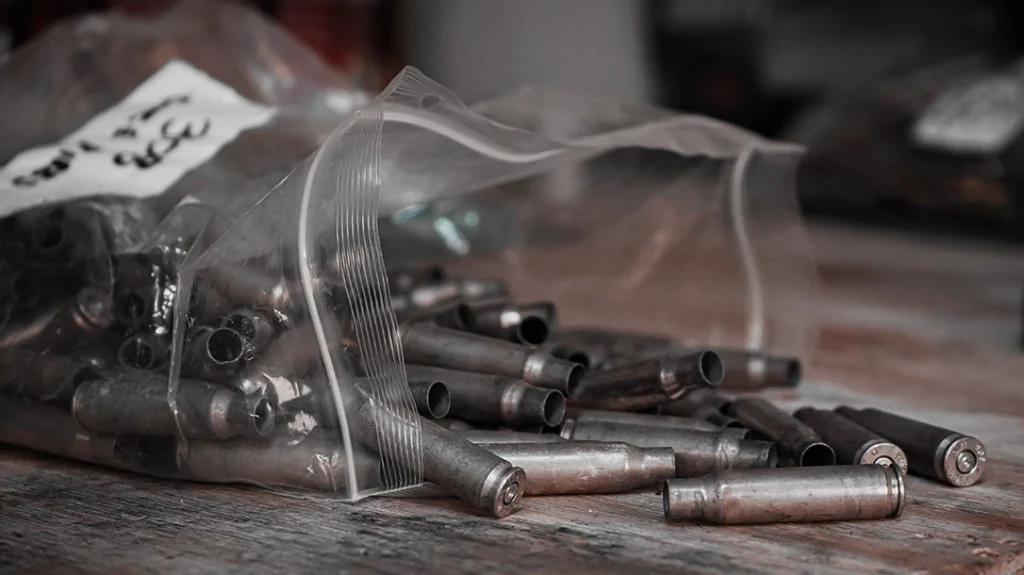
Ask any seasoned reloader about the time they inadvertently fed a .380 case into their progressive press set up for 9mm. No doubt that will be a tell told with a weary sigh. Investing in a set of sorting trays is akin to hiring a tiny, organized army for your brass. They will save you time, sanity, and a surprising number of wasted primers.
Advertisement — Continue Reading Below
Inspection
Once you have successfully corralled your brass by caliber, the next crucial step is inspection. This isn’t the exciting part where you’re loading powder and seating bullets; this is the part where you play detective, looking for clues of a brass casing’s past life.
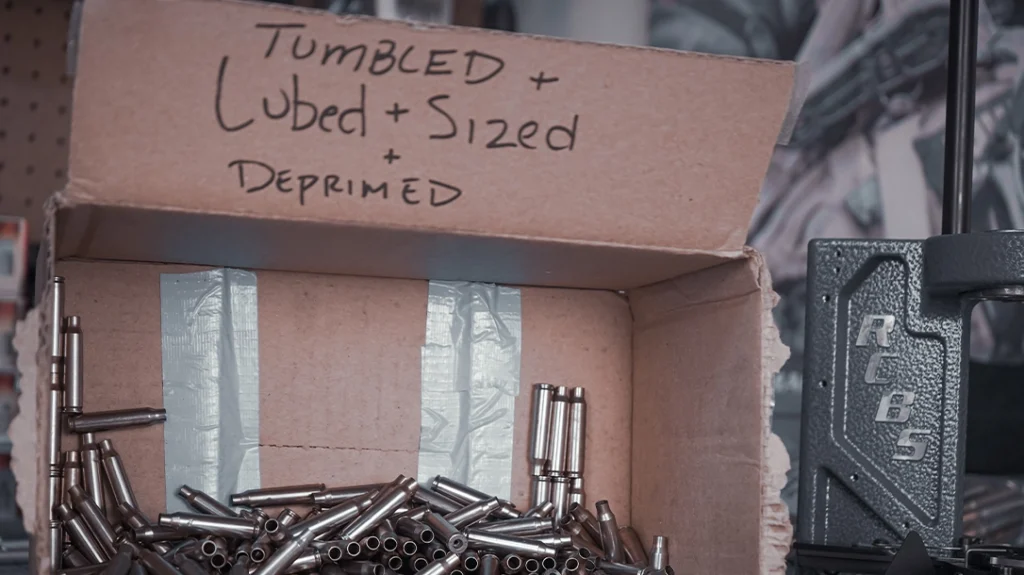
Suppose you’re at a busy public range frequented by other reloaders (and how would you know? They’re the ones meticulously sweeping the ground after everyone else leaves!). In that case, you have to operate under the assumption that some of that shiny brass has already been around the block – maybe even a few times. Brass, bless its metallic heart, doesn’t last forever. It has a finite lifespan and a limited number of times it can be safely reloaded. Push it beyond its limits, and you risk case neck cracks that render the brass useless, or worse, a case rupture during firing that could potentially damage your precious firearm.
So, channel your inner Sherlock Holmes and scrutinize each piece. Look for significant dents (minor dings can often be ironed out), cracks or splits, especially around the case neck, and any other signs of obvious trauma. If a piece of brass looks like it’s been through a war… well, it probably has. Politely decline its participation in your reloading endeavors.
The Sirens Song
Finally, let’s have a frank discussion about new brass. Yes, the siren song of free, range-picked brass is strong. However, consider this: brand-new, high-quality brass from reputable manufacturers like Hornady is surprisingly affordable. Think of it as a clean slate, a guaranteed foundation for multiple successful reloading cycles. If you’re starting out and unsure about the history or quality of the brass you’re finding, investing in a bag of new brass can be a worthwhile insurance policy.
Advertisement — Continue Reading Below
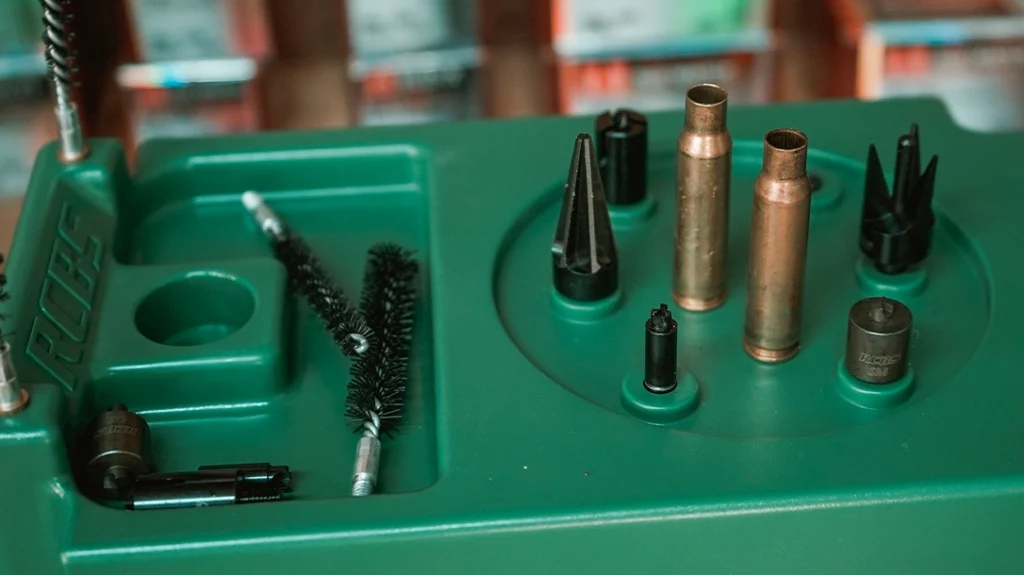
Remember, brass is relatively inexpensive; firearms and firearm repairs, on the other hand, are decidedly not. Don’t let the allure of a free, shiny casing tempt you into risking damage to your beloved firearm with brass that’s on its last legs. Sometimes, the smartest (and safest) reloading decision is to leave that particularly questionable piece of shiny gold right where it lies. Your wallet and your firearm will thank you in the long run.
WHY OUR ARTICLES/REVIEWS DO NOT HAVE AFFILIATE LINKS
Affiliate links create a financial incentive for writers to promote certain products, which can lead to biased recommendations. This blurs the line between genuine advice and marketing, reducing trust in the content.