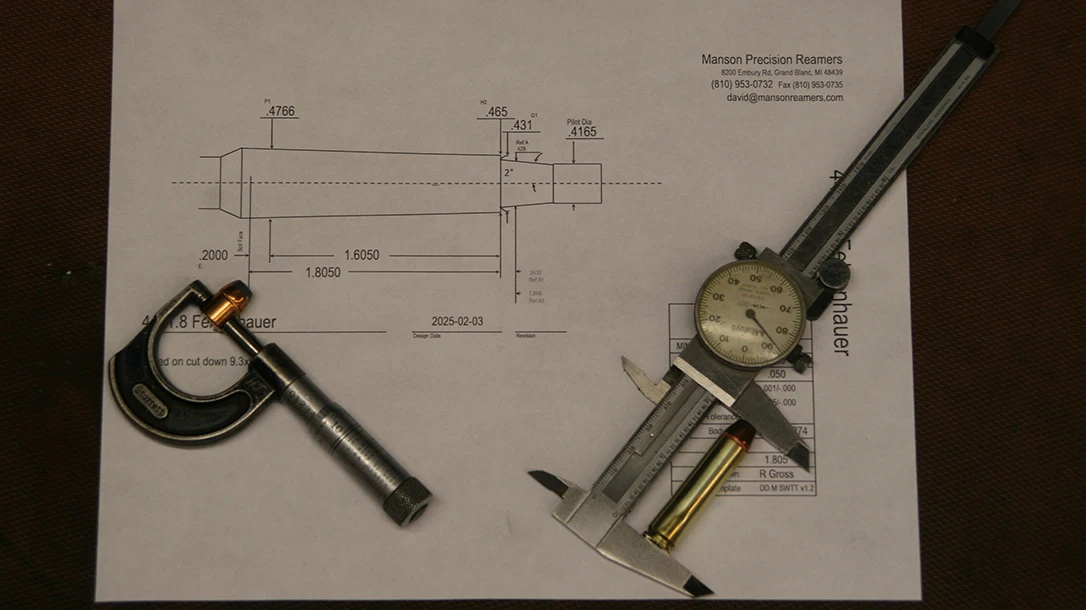
I am surprised every year when firearms and ammunition manufacturers introduce new cartridges each year. I find it amusing most of these have already been done. As an old shooting companion used to say, “They are straining a gnat’s butt.” Of course, he always threw in more colorful language. As a handloader and avid shooter of firearms for nearly 35 years, I dabble some in my own cartridge designs, some work and some don’t, but it’s fun to tinker.
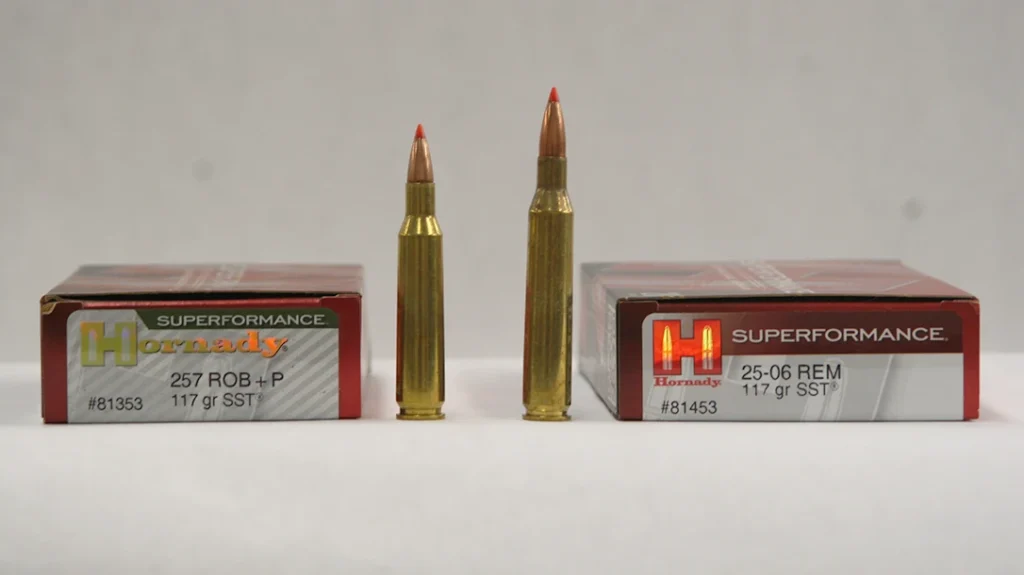
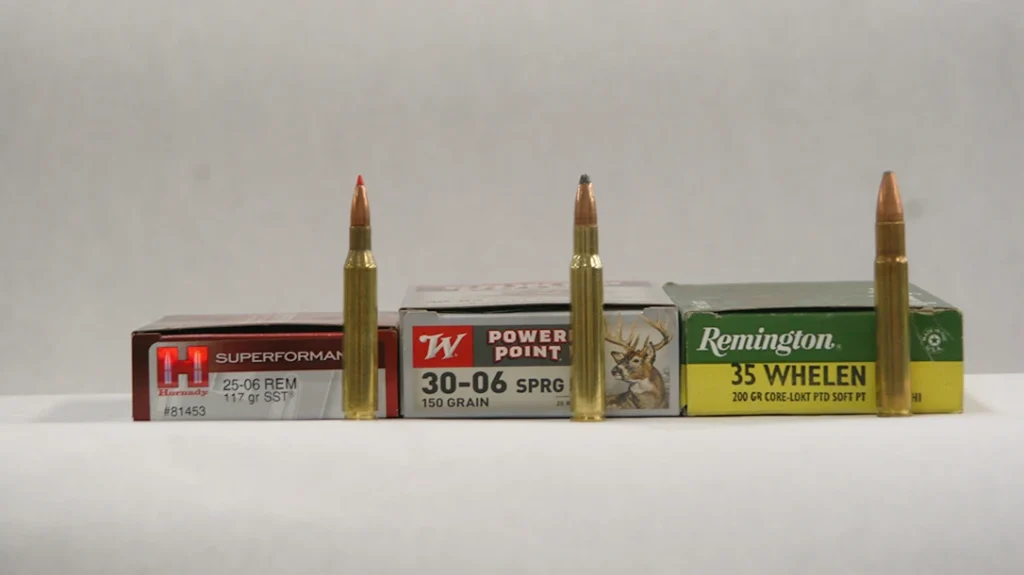
Wildcats are nothing new since modern cartridges have been made. Shooters are always looking for a better mouse trap. Wildcatting for the most part is using an existing cartridge and changing some aspect of the cartridge to make it better or at the least different. For example, the .25-06, the .30-06 necked down to .257 caliber. It had been wildcatted for nearly 50 years before it was legitimized by Remington in 1969.
What Is A Wildcat?
Master gunsmith and author of Reloader’s Handbook of Wildcat Cartridge Design Fred Zeglin says, “Wildcats are cartridges that are not commercially manufactured. There is not a source of ammunition commercially available.” Zeglin also lumps obsolete cartridges in that category as well “Often shooters must make his or her own brass for an obsolete cartridge as no one is making ammunition for it any longer to revive an older firearm they may have and want to keep shooting.”
Why Are There Wildcats?
“Some wildcats are designed for fun or just ego, someone wants a cartridge named after themselves,” says Zeglin, “But perhaps more importantly a wildcat fills a niche which is not being filled by the factories. Factories must produce ammunition which is going to make a profit.”
Advertisement — Continue Reading Below
“Sometimes a wildcat is developed to fit a certain platform,” says Zeglin.
Cartridges which fit on the AR platform are limited by the length of the magazine and diameter of the cartridge
No Rules
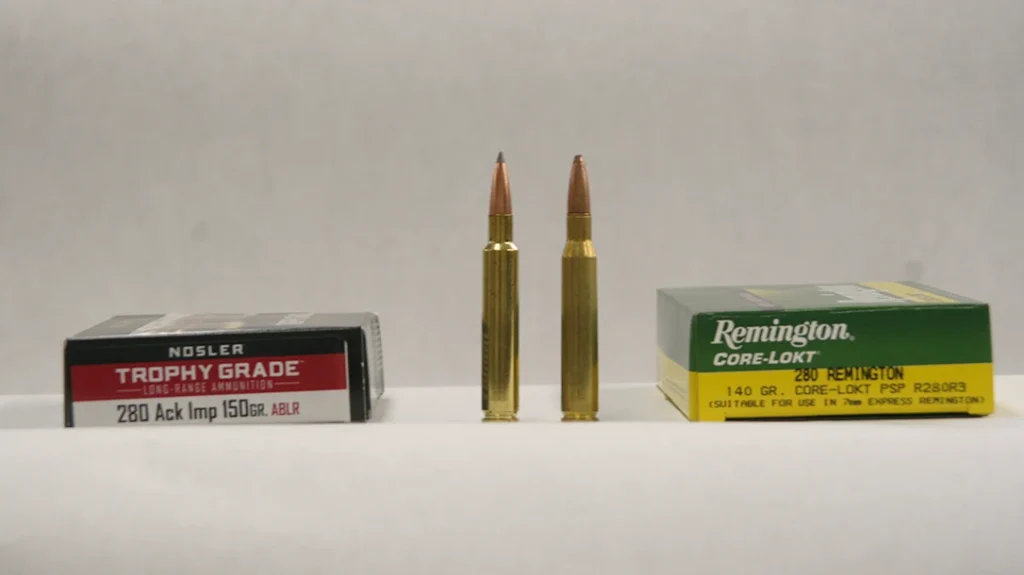
There are no limits or set rules to wildcatting. The caliber can be changed by necking the caliber either up or down. The cartridge case can be shortened, and the angle of the shoulder can be changed. Not all wildcats are exotic. Some or just common-sense cartridge that should have been developed but somehow got overlooked like the .358 Shooting Times Alaskan (STA) necked up from the 7mm Shooting Times Westerner (STW} or one of my all-time favorites, the .416 Taylor, the .338 Win Mag necked up to .416 which duplicated the .416 Rigby ballistics.
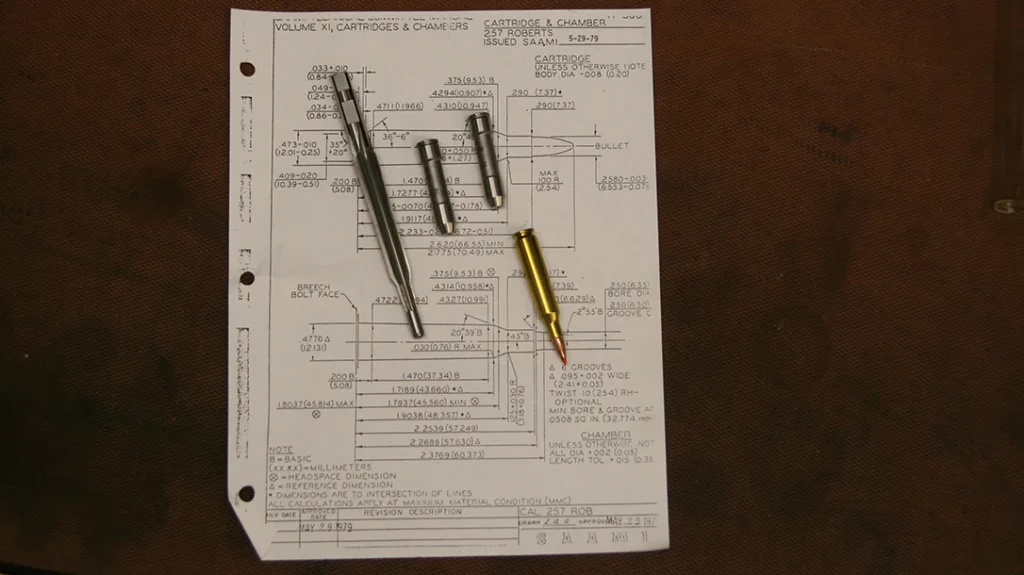
Though wildcatting has been going on for decades, it’s difficult to know who was the original wildcatter. In the 1920s Ned Roberts created the .257 Roberts which was a 7×57 necked down to .257 caliber. Another pioneer in wildcatting was Townend Whelen of the .35 Whelen fame who necked up the .30-06 to .358 diameter. Perhaps the most popular of wildcatters was P.O. Ackley who created the .280 Ackley Improved now legitimized. Ackley wildcatted a lot of different cartridges, many of which have been forgotten.
Legitimate WildCats
Advertisement — Continue Reading Below
Only a handful of wildcat cartridges have ever become legitimate. But many have been around so long it seems they have always been around. Cartridges like the 6mm Remington which is the .257 Roberts necked down to .243 or the .260 Remington which is the .308 Winchester necked down to 6.5mm.
Here are a few others you may or may not have known were once wildcats:
- .22-250 which was necked down from the .250 Savage
- .22 Hornet from the now forgotten .22 Winchester Centerfire
- .416 Rem Mag which was developed from the 8mm Rem Mag which in turn was derived from the .375H&H Magnum

I am currently working on another wildcat. Do I need it? No, there are plenty of cartridges that will do the same thing, but who knows, maybe my next cartridge will be as famous as the .22 Eargesplitten Loudenboomer.
Advertisement — Continue Reading Below
Check out this article about RCBS’s Reloading Hub!