So you are ready to take on a bait caster for the first time? When I first started fishing more seriously, I was about 16 years old. I was well versed in push button style reels and felt like I mastered the spinning reels too. The next step was the ever intimidating bait caster reel. I remember being so excited to learn this, but also was so worried about knitting the line or “bird nesting” the reel. I also never wanted to embarrass myself in front of my fishing buddies.
My First Bait Caster
I went to the local fishing store near me and got my first bait caster reel. I remember exactly what it was as if it were just yesterday and not 26 years ago. My first reel was picked out based on two factors. First, it was affordable. At 16, my fishing budget was not quite what it is now so finding something in my budget was first. Now with a bait caster reel, I needed a new rod as well since the rod is very different from a spinning rod. My first purchase was a combo of a bait casting rod and reel together that came in for a total of around $135. Back in the year 2000, that was a lot to spend on a combo as a teenager.
The second deciding factor when I picked out my first bait caster was honestly because it was the same brand as my fishing idol and I figured that if he used it, then it would be a good one to learn on. Not always the best way to decide, but that was my thought process at 16. Now that I got my new rod and reel and I am ready to learn how to use it, let’s go over the key parts that make a bait caster reel unique and then I will give my tips on how to learn to use one with the most success.
Bait Caster Spool Control
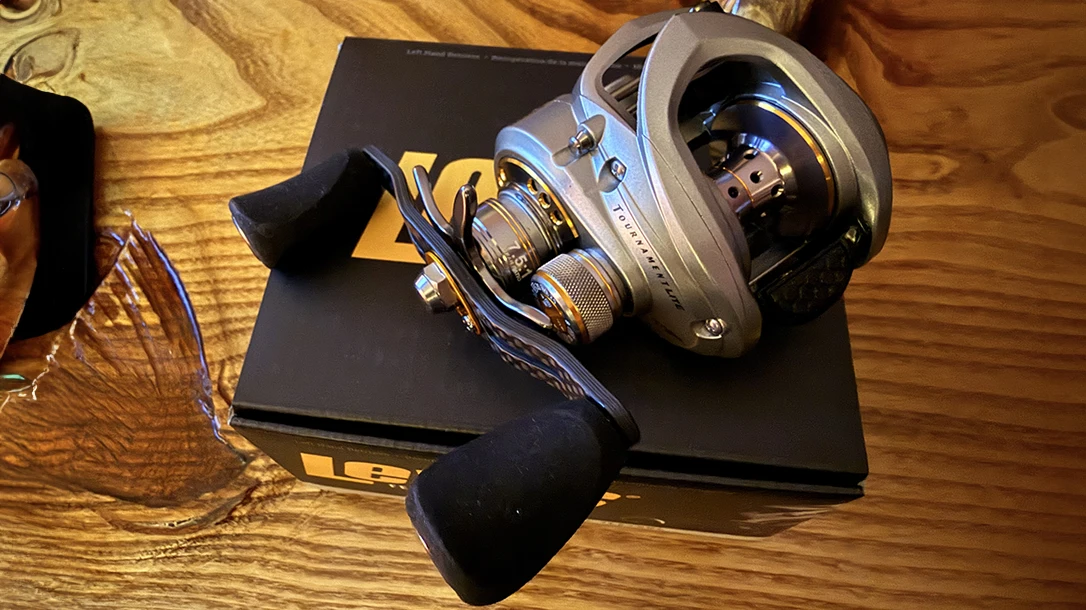
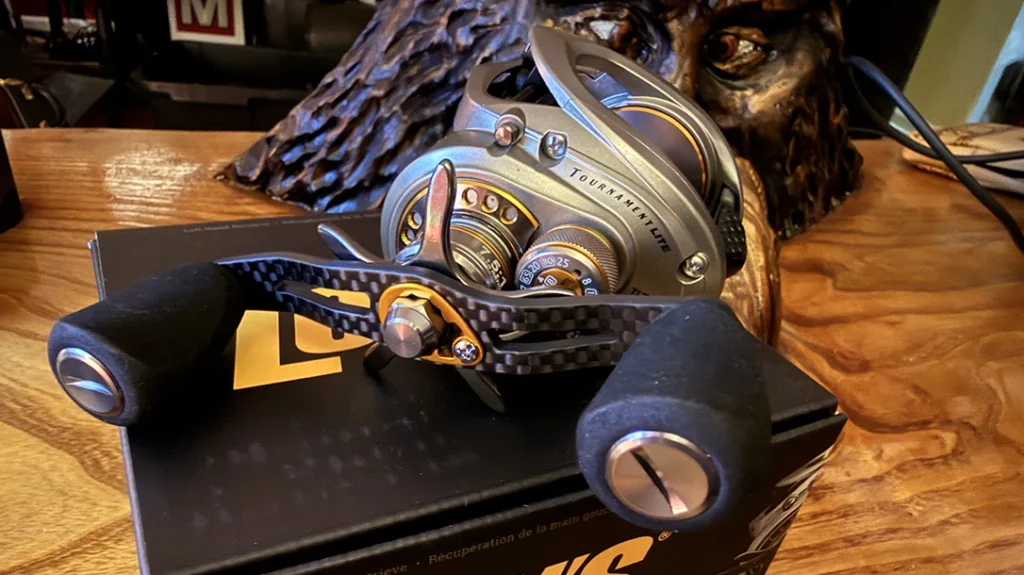
The most important part of this type of reel is the spool and spool tensioner. You may have heard the terms “birds nest” or “blowing up the reel” when referring to the massive knots you can get when trying a bait caster. The spool tensioner is the part that can control how loose or tight the spool is in the reel. The spool is where the line is loaded and the tensioner will determine how free the spool can spin.
These types of knots happen when the spool moves faster than the fishing line coming off while it is moving. This causes the spool to spin under the loose line and cause one heck of a mess. Finding the perfect balance of spool tension, casting speed and lure weight is key to successful casts with no back lashing or birds nesting. Turning the tensioner tighter will make the spool spin less and the looser you make the tensioner the faster and more freely the spool will spin. My quick tips of balancing this all out will definitely be important to doing this correctly.
Advertisement — Continue Reading Below
Braking System
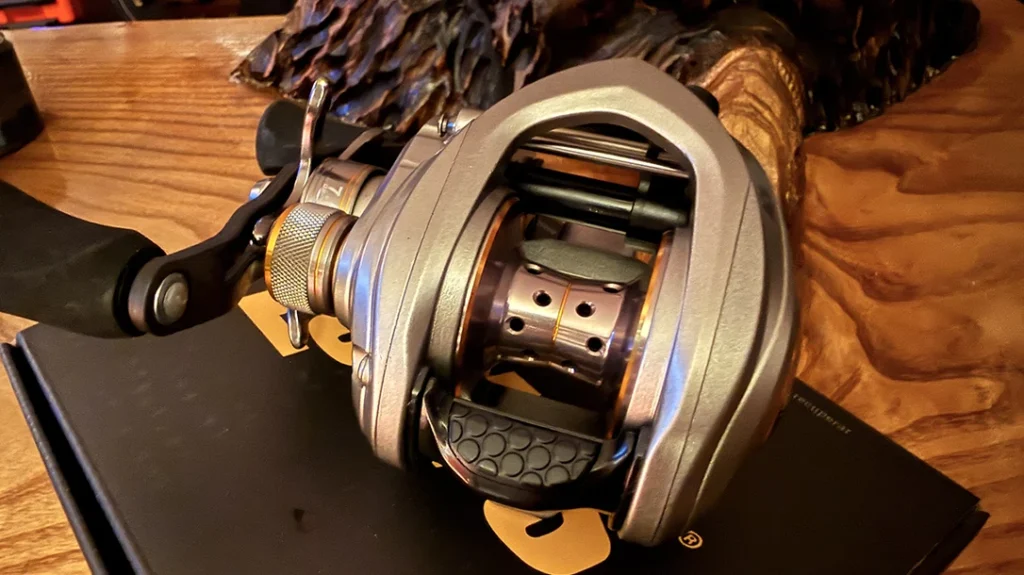
Most bait caster reels have a magnetic braking system.
Magnets create a magnetic field near the spinning aluminum spool. As the spool spins, it generates opposing magnetic forces that resist its rotation. A dial on the reel’s side plate moves the magnets closer to or farther from the spool. Closer Magnets will make a stronger braking force, ideal for heavy lures or windy days. Farther Magnets will cause Less braking force, allowing for longer casts. The braking system will help you further dial in the reel based on the wind, weight of the bait and your overall skill level with cast control.
Tips To Dial It All In
The wind direction, casting speed, bait weight and skill level all come into play when tuning your reel.
For wind, you want to try to avoid casting into the wind to avoid having the line float above the air coming in and creating space between the spool and the line. This will cause nesting more often.
Advertisement — Continue Reading Below
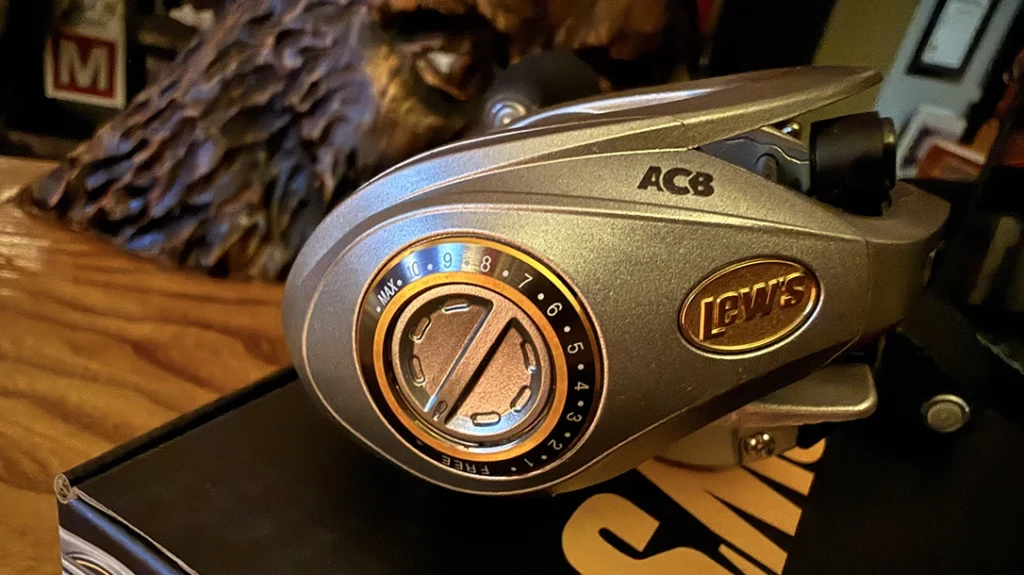
Now here are my tips to tuning. After tying on your bait, hold the rod on a 45 degree angle pointing to the sky. Then push the spool release button located at the back of the reel to let the spool spin freely. If your bait falls with zero resistance, then you will need to tighten the adjustment knob located on the side of the reel next to the spool. Tighten in very small increments. Every slight turn will make a difference. Tighten the spool until the bait falls steady but not freely. If you over tighten the spool, the bait will fall very slowly. You want a nice smooth decent.
Now for the braking system. I always suggest to start with it maxed out at 10. Turn it all the way up. This will slow your bait down a lot in the cast. Click by click, dial it back one number at a time until you have the desired distance and feel.
All Thumbs
My best tip has nothing to do with a part that comes on the reel, but a part of your hand. Thumb control is key and my most important tip. Gently let your thumb ride on top of the line on the spool. When you cast, let your thumb feel the line peeling off of the spool and if you feel the line lifting up, press down on your thumb to stop the spool before a back lash can occur. The thumb trick will allow you to not only control the speed to prevent knots or nesting, but it will also allow you to stop the spool at any time mid-cast to be extremely accurate when casting in tricky environments.
Advertisement — Continue Reading Below
Although the spool tensioner is most important to prevent nesting, the thumb on your own hand is the most important tool when learning to use a bait after in my opinion. Get that reel and don’t be adored to practice on land with hookless baits to perfect the feel before hitting the water and always keep casting!